- LET'S PLAN YOUR SAFARI
- +256 200 921 002
- +256 793 194 703
- info@pickandtransfersafaris.com

Best Gorilla Trekking Package from Kigali for 1 Day
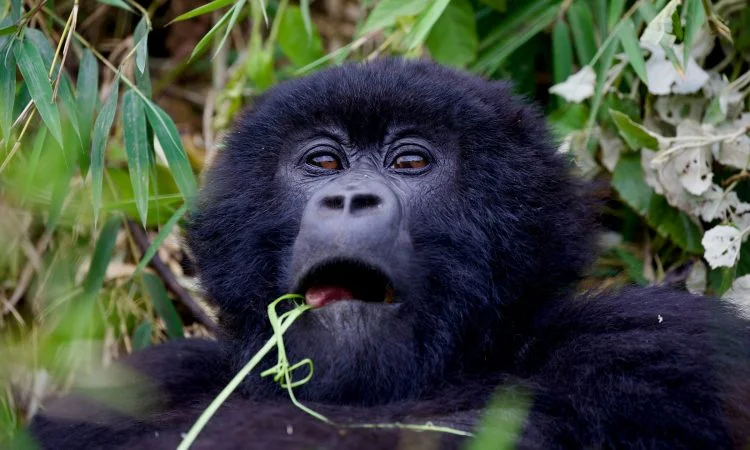
Best Gorilla Trekking Package from Kigali for 1 Day. “Best” is doing a lot of work in that search phrase, and it means something slightly different depending on what you’re actually optimizing for — lowest price, least risk, most comfort, or simplest logistics. Rather than hand you a single ranked list of tour names, this guide breaks down exactly what a genuinely complete one-day gorilla trekking package from Kigali should include, what separates a well-run package from a corner-cutting one, and a practical checklist for vetting any operator’s offer before you commit your gorilla permit money to it. If you’d rather skip straight to a ready-built package, our one-day Uganda gorilla safari starting from Kigali is built around exactly the inclusions this guide recommends.
What “Best” Actually Means for a 1-Day Package
For most travelers researching this trip, “best” breaks down into four separate questions: Is the price transparent, with no hidden extras added later? Is the transport private, reliable, and driven by someone who knows the Cyanika border crossing well? Is the permit genuinely secured before you pay, not just “requested”? And does the operator build in enough schedule buffer that a long trek or a slow border queue doesn’t turn into a missed flight? A package that scores well on all four is a strong package regardless of which specific park or route it uses. It’s worth deciding for yourself, before you start comparing quotes, which of these four matters most to your specific trip — a traveler with a same-evening flight out will weigh buffer time far more heavily than someone with a flexible extra day in Kigali on either side of the trek.
What’s Included in a Genuinely Complete Package
At minimum, a complete one-day package should include: the gorilla permit itself, private 4×4 transport with a driver-guide experienced on this exact route, park entrance and briefing fees, and a meal (either packed or at a stop near the park). Anything marketed as a “package” that doesn’t include the permit and private transport as standard is really just a transport quote dressed up as a package, and it shifts real planning risk back onto you.
What Separates a Good Package From a Cut-Rate One
The difference rarely shows up in the marketing copy — it shows up in the details you have to ask about directly: how much buffer time is built into the return drive, whether the vehicle is shared with other travelers’ schedules, whether the driver has actually crossed Cyanika regularly, and what happens if the trek runs long. A cut-rate package usually looks identical on paper to a well-run one until something goes slightly wrong on the day itself.
Private vs Shared Transport: Why It’s the Single Biggest Package Differentiator
This is the single factor that most affects how your actual day goes. A shared vehicle package is cheaper per person, but it ties your schedule to every other passenger’s pickup time, pace, and preferences — a real problem on a route with only 18–20 hours of slack to begin with. Private transport costs more but gives your operator the flexibility to adjust departure time, route, and pacing in response to how your specific day unfolds. For a one-day itinerary specifically, this is worth paying for.
Permit Handling: How the Best Operators Manage This
The best packages confirm and pay for your gorilla permit before your trip, with your name already registered against the specific date and park, rather than promising to “arrange it closer to the date.” Given permits are limited (eight trekkers per gorilla family per day) and non-refundable in most circumstances, ask directly whether your permit is already secured or merely “requested,” since that single answer tells you a lot about how the rest of the package is likely to be run.
Transparent Pricing vs Hidden Extras
A genuinely complete package quotes one all-in price covering permit, transport, park fees, and a meal, with only tips and personal expenses left outside it. Watch for packages that quote a low headline price but add the gorilla permit, border fees, or “vehicle surcharges” separately once you’re further into booking — the final cost often ends up close to (or above) a package that was transparent from the start. Kenlink Tours’ breakdown of the price for a gorilla trekking safari in Uganda is a useful independent reference for what a fair, itemized quote should look like.
Mgahinga Package vs Bwindi Package: Which “Best” Depends on Your Park Choice
A package built around Mgahinga will typically be cheaper and involve less driving, since it’s the closest park to the Cyanika border, but permit availability is tighter because only one gorilla family is habituated there. A Bwindi-focused package (Rushaga or Nkuringo) adds roughly an hour of driving each way but usually has better permit availability. Neither is objectively “the best” — the best package is whichever one matches your actual date flexibility. Our 1-Day Uganda Gorilla Trekking Tour from Kigali page is built around the Mgahinga version specifically, while our 1-Day Bwindi Gorilla Trekking Tour from Kigali page covers the Rushaga/Nkuringo version, with its own pricing and inclusions.
Sample Comparison: Budget Package vs Premium Package
| Feature | Budget Package | Premium Package |
|---|---|---|
| Transport | Shared minivan | Private 4×4 |
| Buffer time built in | Minimal | 2-3 hours |
| Permit confirmed before payment | Often “pending” | Confirmed upfront |
| Meals | Not always included | Included |
| Typical price (USD, per person) | 850-1,000 | 1,100-1,300 |
Vehicle Type and Why It Matters on This Route
A proper 4×4 with good clearance matters more on this route than travelers expect, since the roads near both Mgahinga and Bwindi’s southern sectors can be rough, especially outside the dry season. A package quoting a standard sedan or minibus for the full route is a warning sign, not a cost-saving feature — it’s more likely to slow you down exactly when your schedule can least afford it.
Driver-Guide Experience and Border Crossing Know-How
Ask specifically how often your driver-guide crosses at Cyanika, not just how long they’ve worked in tourism generally. A driver who does this exact crossing regularly knows the paperwork, the typical queue times, and how to keep a tight schedule moving — which is worth more on a one-day itinerary than almost any other single factor in the package.
Meals and What “Included Lunch” Usually Means
Most packages include a packed lunch or a stop at a simple restaurant near the park rather than a sit-down multi-course meal — reasonable given the schedule. If a package specifically promises a lodge-style lunch, confirm it doesn’t add 30–45 minutes you can’t spare; on a one-day itinerary, a quick meal that keeps you moving is usually the better trade-off.
Insurance and Cancellation Policy: What to Check
Ask what happens if you need to cancel or reschedule, and specifically what happens to your already-purchased gorilla permit in that case, since permits are largely non-refundable through the parks authority regardless of the package wrapped around them. Separately, travel insurance that covers trip delay and permit cancellation is worth arranging yourself even if the package doesn’t require it.
Group Size Limits Within a “Private” Package
“Private” should mean your vehicle isn’t shared with unrelated travelers — it doesn’t mean you’re limited to one or two people. Most private packages comfortably fit small families or groups of four to six in a single vehicle at a lower per-person transport cost than booking separately, while keeping full schedule control. Confirm the vehicle size matches your actual group before booking.
Reviews and How to Vet an Operator
Look past star ratings to the actual text of reviews, specifically for mentions of border crossing delays, permit confirmation issues, or communication problems — these recur in reviews of poorly run one-day packages far more than complaints about the trek itself, since the trek experience is largely standardized across operators by park rules.
Red Flags in a 1-Day Package Listing
Be cautious of: prices significantly below the USD 950–1,300 typical range with no clear explanation (often a sign of shared transport or an unconfirmed permit), vague language about “arranging” the permit rather than confirming it, no named driver-guide or vehicle type specified, and no clear buffer time built into the return schedule.
Our Recommended Package: What’s In It and Why
Our own one-day Uganda gorilla safari starting from Kigali package is built specifically around the criteria above: a confirmed permit before final payment, private 4×4 transport with a driver experienced on the Cyanika crossing, included meal, and a schedule with real buffer built into both the outbound and return drive. It’s not necessarily the cheapest option available, and we’d rather be upfront about that than compete purely on headline price against packages that cut buffer time or use shared transport to get there.
How Pricing Breaks Down Within the Package
Expect roughly USD 700–800 of the total to be the gorilla permit itself, USD 150–300 for private transport and driver-guide fees across the full day, and the remainder covering meals and park fees. Understanding this breakdown is useful specifically because it lets you compare two differently priced packages on an apples-to-apples basis rather than just comparing headline totals.
Add-Ons Worth Considering
A porter (roughly USD 15–20, paid directly and a genuine source of local income) is worth adding regardless of fitness level, since it also supports the trailhead community economy. A pre-dawn coffee or light breakfast box, if not already included, is a small but meaningful add-on given the 3:00 AM start most of these packages require.
Add-Ons Not Worth Paying For
Skip optional “premium” gorilla family upgrades if offered — every habituated family gets the same one-hour visit under the same rules, so there’s no meaningfully better experience to pay extra for. Similarly, be skeptical of add-on “photography packages” charging extra for something any operator’s driver-guide should already accommodate as standard.
Booking Timeline for Securing the Best Package
Two to three months ahead is standard for most travel dates; four to six months ahead for June–September and December–February peak season, particularly if you want Mgahinga specifically. Kenlink Tours keeps a running list of available gorilla tours for booking in Uganda that’s a useful gut-check on how tight permit availability is for your target dates.
How This Compares to Building Your Own Itinerary Piece by Piece
Booking permit, transport, and border logistics separately can occasionally save a small amount versus a bundled package, but it shifts all the coordination risk onto you — if your independently booked driver is late or your permit and transport dates don’t line up perfectly, there’s no single operator responsible for fixing it on the day. For a route with this little schedule slack, a bundled package with one point of accountability is usually worth the modest premium.
Mgahinga-Focused Package Option
Best suited to travelers prioritizing the shortest possible drive and the largest schedule buffer, at the cost of tighter permit availability. See our gorilla trekking in Mgahinga from Kigali page for the park-specific details behind this option.
Bwindi-Focused Package Option
Best suited to travelers who want more flexibility on dates and are comfortable with roughly an extra hour of driving each way. Our Kigali-to-Bwindi one-day gorilla trek page and our ranked look at the best 1-day gorilla trekking tours from Kigali to Bwindi both go further into comparing Rushaga against Nkuringo specifically.
Budget-Conscious Package Option
If cost is the primary constraint, our cheap 1-day gorilla trekking tours from Kigali to Uganda guide is honest about exactly where the real cost floor sits and which corners are safe to cut versus which ones aren’t — permit and private transport being the two you shouldn’t compromise on regardless of budget.
What Happens After You Book
You’ll typically receive permit confirmation first, followed by a detailed day plan with pickup time, vehicle details, and driver-guide contact information a few days before departure. Confirm your pickup point and time explicitly the evening before, since a 3:00–3:30 AM start leaves no margin for a miscommunication about where or when to meet.
Documents You’ll Need Before Departure
Passport, printed or digital visa approval (single-entry Uganda visa or East Africa Tourist Visa), yellow fever vaccination certificate, and your permit confirmation. Kenlink Tours’ visa and border crossing guide for Uganda and Rwanda is a solid independent reference for exactly what’s checked at Cyanika.
Weather and Seasonal Package Considerations
The best packages adjust buffer time seasonally — allowing more return-drive cushion during the wetter months (March–May, October–November) when trails are slower and roads can be more difficult. If a package quotes an identical fixed schedule regardless of season, ask directly how they handle a wet-season trek that runs long.
Combining the Package with Extra Days in Rwanda
Since the trip starts and ends in Kigali, it pairs naturally with extra days exploring Rwanda before or after — Lake Kivu, Nyungwe Forest, or simply an extra day in Kigali itself. Doing this also gives you a genuine buffer day in case the trek day runs unexpectedly long, without disrupting an international flight.
Comparing Kigali-Based Packages to Uganda-Based Ones
A Uganda-based one-day package (starting from Kisoro or Kampala) removes the border crossing but only makes sense if you’re already in Uganda. For Kigali-based travelers specifically, comparing “best package” options should stay focused on Kigali-departure packages, since a Uganda-based itinerary solves a different logistics problem than the one this guide addresses. Kenlink Tours’ comparison of travel time and cost from Kigali vs Kampala to Bwindi or Mgahinga is useful if you’re still deciding which city to base your trip from.
Checklist: Questions to Ask Before Booking Any Package
Is the gorilla permit already confirmed and registered to my name and date? Is transport private or shared? How much buffer time is built into the return drive? What happens if the trek runs long or the border queue is slow? Is the total price all-in, or are there extras added later? What is the cancellation and permit-refund policy? Who is my actual driver-guide, and how familiar are they with the Cyanika crossing specifically? A package that answers all seven clearly and specifically, without hesitation or vague reassurance, is very likely a well-run one — and an operator who can’t answer one or two of them directly is worth pausing on before you commit permit money to that date.
How to Compare Two Quotes That Look Similar on Paper
When two packages look nearly identical in price, the deciding factor is almost always transport type and buffer time rather than anything visible in a marketing description. Ask both operators the same direct question — “what happens if my trek runs three hours instead of two?” — and compare the specificity of their answers rather than their prices alone.
Self-Drive vs a Guided Package
Self-drive is technically an option for confident, experienced drivers who want full control over pacing, but it removes the local border-crossing knowledge and trek-day flexibility that a good guided package provides — a real disadvantage on a route with almost no schedule slack. Kenlink Tours’ own page on a Uganda gorilla safari on self-drive is worth reading if you’re weighing this option seriously, since it’s honest about both the appeal and the added risk compared to a guided package.
Luxury vs Standard Packages
A “luxury” one-day package typically upgrades the vehicle and adds small comfort touches — better snacks, a nicer packed lunch, sometimes a more experienced senior driver-guide — but the core trek experience, the permit, and the one-hour gorilla encounter are identical across every price tier, since those are set by park rules rather than by the operator. Kenlink Tours’ overview of Uganda luxury safaris and gorilla tours is a useful comparison point if comfort matters more to you than price on this particular trip.
How Package Pricing Compares Across Operators
It’s worth benchmarking any quote you receive against a couple of independent sources before booking. Kenlink Tours’ guide to how much a gorilla trekking safari costs in Uganda and their separate piece on how to do a cheap gorilla safari in Uganda both give a useful sense of where genuine budget options end and where a quote has likely cut a corner it shouldn’t have. Their broader gorilla safari holidays in Uganda and Uganda-Rwanda gorilla safaris pages are also useful if you want to see how packages are typically structured and marketed across the wider region, beyond just the one-day Kigali departure option this guide focuses on.
What a Two-Day Package Offers Instead
If, after reading through the trade-offs above, the one-day format still feels too tight, a 2-day Uganda gorilla tour starting from Kigali removes nearly all the schedule pressure by adding a single overnight in Uganda, while keeping the same permit, the same habituated families, and the same one-hour encounter. It’s worth pricing both side by side before assuming the one-day version is automatically the cheaper or simpler choice — the difference is often smaller than expected once private transport and buffer time are factored into both quotes.
Comparing This to a Rwanda-Based Package
Since you’re already in Kigali, it’s fair to ask whether a Rwanda-based package — trekking in Volcanoes National Park directly, with no border crossing at all — might be the simpler “best package” option. The honest trade-off is cost: Rwandan permits run well above Uganda’s. Our breakdown of how much gorilla trekking in Rwanda costs lays out the numbers so you can weigh simplicity against price directly.
Where to Stay Before a Pre-Dawn Package Departure
Because most one-day packages start with a 3:00–3:30 AM pickup, where you sleep the night before genuinely affects how the day feels. Our guide to hotels for gorilla trekking in Mgahinga National Park covers properties close to both the Kigali pickup point and, for some travelers, closer to the border itself — worth checking before you finalize which package to book.
Age and Fitness Requirements Within Any Package
Every legitimate package, regardless of price tier, is bound by the same minimum age of 15 for gorilla permits, with no exceptions made for younger children. There’s no upper age limit, but our detailed page on the gorilla trekking age limit is worth reading if you’re booking for an older traveler or a mixed-age group, since it explains how operators typically handle borderline cases.
How This Fits Into Our Wider One-Day Guides
This page focuses specifically on how to evaluate and choose between packages. If your question is really “is this trip even possible” rather than “which package should I pick,” our direct answer on whether you can do gorilla trekking in Uganda in one day from Kigali covers that groundwork first. And our 1-Day Gorilla Tour from Kigali hub page links out to every route, park, and price-tier option in this cluster in one place, if you’d rather browse everything before narrowing down to a specific package.
What First-Time Bookers Get Wrong About Packages
The most common mistake is comparing packages purely on headline price without checking whether the permit is actually confirmed or the transport is private — two factors that affect your actual trip far more than a $50–100 difference in quoted price. The second most common mistake is booking too close to the travel date and then discovering the “best” package’s preferred park is already sold out for that window, leaving only a rushed, less-vetted alternative.
Sample Day Timeline Within a Well-Run Package
A well-structured package’s timeline typically runs: 3:00–3:30 AM pickup from your Kigali hotel; roughly three hours of driving to the Cyanika border, including the crossing itself; another hour to the trailhead; a briefing around 7:30–8:00 AM; the trek and one-hour gorilla encounter, which can run anywhere from two to seven hours depending on the day; lunch near the park; and the drive back, aiming for a Kigali arrival by 6:00–8:00 PM with buffer built in for delays. The specific times matter less than whether your operator can clearly walk you through this schedule and explain exactly where the buffer sits before you book.
What Happens If You Need to Change Your Package Dates
Ask before booking, not after — policies vary significantly by operator and by how far in advance you request the change. Some packages allow a date change with enough notice at little or no cost if the new date’s permit is available; others treat any change as a full cancellation with the same non-refundable permit exposure as canceling outright. A package description that addresses this clearly, without you having to ask, is a genuinely good sign.
How Many People Should Be In Your Group
Private one-day packages work comfortably for solo travelers up to small groups of four to six, with per-person transport cost dropping as the group grows while the permit cost per person stays fixed. Beyond six or seven people, permit availability for a single gorilla family on one date becomes the real constraint, and splitting across two families or two dates is often more realistic than trying to keep one large group together.
A Closer Look at “Fully Inclusive” Marketing Claims
“Fully inclusive” is one of the most inconsistently used phrases in gorilla trekking marketing. Ask specifically whether it includes the permit (not just transport and park entry), whether it includes a meal, and whether tips are genuinely excluded or quietly folded into a higher headline price. A specific, itemized breakdown is always a better sign than a single reassuring adjective in a package’s marketing copy.
Environmental and Community Impact of Package Choice
A significant portion of every gorilla permit fee funds park conservation and community development projects around Mgahinga and Bwindi, so this impact is largely the same regardless of which package you choose. Where package choice does matter is in who else benefits — a private, well-run package using local drivers, local guides, and trailhead porters channels more of your spending directly into the surrounding community than a package that outsources large parts of the day to subcontracted, lowest-bid providers.
What Our Own Package Process Looks Like Step by Step
After you reach out through our contact page with your preferred dates, we check real-time permit availability for both Mgahinga and Bwindi before recommending which park fits your window best. Once you confirm, we secure the permit under your name, assign a private vehicle and an experienced driver-guide for the Cyanika route, and send a full day plan — pickup time, vehicle details, and driver contact — a few days ahead of departure. Nothing in that process is unusual for a well-run operator; it’s simply the baseline this whole guide has been describing.
How to Read Between the Lines of a Package Description
Vague phrases worth double-checking directly with the operator: “permit subject to availability” (ask if it’s confirmed yet or not), “comfortable vehicle” (ask for the actual make and model), “experienced guide” (ask how many times they’ve crossed Cyanika specifically), and “flexible schedule” (ask what the actual built-in buffer time is, in hours). A package description that answers these specifics without being asked is worth more than one that reads well but stays vague.
Frequently Asked Questions
What is the best gorilla trekking package from Kigali for one day?
The best package is whichever one includes a confirmed permit, private transport, and genuine schedule buffer at a transparent, all-in price — not necessarily the cheapest option available.
How much should a good 1-day package cost?
Expect roughly USD 950–1,300 per person for a complete, private package. Prices well below that range are usually a sign of shared transport or an unconfirmed permit.
Is private transport really necessary, or can I save money with a shared vehicle?
For a one-day round trip specifically, private transport is close to essential, since a shared vehicle’s dependence on other passengers is one of the biggest risks to an already tight schedule.
Should I choose a Mgahinga or Bwindi package?
Mgahinga if permits are available, since it’s the shortest drive; Bwindi’s Rushaga or Nkuringo sectors if you need more permit flexibility, at the cost of roughly an extra hour of driving each way.
What should definitely be included in the package price?
The gorilla permit, private transport with driver-guide, park entrance fees, and a meal. Tips and personal expenses are reasonably left outside the package price.
Can I book a package last-minute, or do I need months of notice?
Last-minute bookings occasionally work if a permit has been released due to another traveler’s cancellation, but it’s a genuine gamble, especially for Mgahinga. Two to three months of notice gives you real choice between parks and dates rather than whatever happens to still be open, and it also gives you time to properly compare more than one operator’s package against the checklist in this guide instead of accepting whatever is available on short notice.
Does a more expensive package guarantee a better gorilla encounter?
No — the one-hour encounter itself is governed by the same park rules regardless of price. A higher price typically buys better transport, more buffer time, and more attentive service, not a meaningfully different encounter with the gorillas themselves. Keep that distinction in mind if a listing implies a premium price buys a longer or closer encounter — it doesn’t; the encounter length and viewing distance are set by park regulation, not by your operator.
Is it better to book directly with a park-adjacent operator or one based in Kigali?
Either can work well, but for a Kigali-departure itinerary specifically, an operator experienced with the Rwanda-side pickup and the Cyanika crossing tends to manage the day’s timing more reliably than one based solely on the Uganda side coordinating a pickup from a distance.
Do all packages use the same route and border crossing?
Almost all Kigali-based one-day packages use the Cyanika border, since it’s the closest crossing to both Mgahinga and Bwindi’s southern sectors. A package routing you through a different, more distant border is worth questioning directly, since it likely adds unnecessary driving time to an already tight schedule and should lower, not raise, what you’d expect to pay.
Packing Considerations Tied to Your Chosen Package
Whichever package you book, the packing needs stay the same: sturdy waterproof hiking boots, a rain jacket, gardening-style gloves, a hat, sunscreen, insect repellent, at least a litre of water, and small-denomination US dollars for tips, since card payment is unreliable at trailheads. A good operator will send this list unprompted as part of your pre-trip confirmation — if a package’s confirmation email skips it entirely, it’s worth asking for one directly rather than assuming it isn’t needed.
How Weather Risk Should Factor Into Your Package Choice
If you’re traveling during the wetter shoulder months (March–May or October–November), prioritize packages that explicitly build in extra return-drive buffer over ones offering a slightly lower price with a tighter fixed schedule. A trek that runs slow in the rain is a normal, expected outcome during these months, and the best packages plan for it rather than treating it as an edge case.
Questions to Ask About the Specific Vehicle and Driver
Beyond confirming private transport in general, ask for the specific vehicle type, its seating capacity relative to your group size, and whether the driver-guide assigned to your date is the same person who’ll be with you throughout, or whether legs of the trip are handled by different subcontracted drivers. A single consistent driver-guide for the full day tends to produce a noticeably smoother experience than a itinerary stitched together from multiple handoffs.
How Currency and Payment Typically Work
Most one-day packages are quoted and paid in US dollars, with a deposit at booking and the balance due before or on arrival, depending on the operator. Confirm exactly what payment methods are accepted for the balance — some operators only take cash or bank transfer on the ground, which is worth knowing well before your pickup morning rather than discovering it at 3:00 AM.
Why This Guide Focuses on Criteria Rather Than a Ranked List
A simple ranked list of “top five packages” ages badly — prices, permit availability, and even which parks have open dates shift constantly, sometimes week to week. A criteria-based checklist stays useful regardless of when you’re reading this, which is why this guide is built around the questions to ask rather than a fixed ranking that would be outdated within a season. Use it the same way each time you research a trip: as a lens for evaluating whatever package is currently on offer, rather than as a search for one fixed “correct” answer that never changes.
A Simple Way to Decide Between Two Final Options
If you’ve narrowed things down to two packages that both seem reasonable on paper, ask each operator the same three questions and compare the answers side by side rather than the prices alone: is my permit confirmed today or only after full payment, what specific vehicle and buffer time am I getting, and what is your policy if the trek runs significantly longer than expected. The operator who answers all three precisely, without hedging, is very likely the one who will also handle an unexpected delay well on the actual day — which, on this particular route, matters more than almost anything else in the package.
Best Gorilla Trekking Package from Kigali for 1 Day
There isn’t a single objectively “best” one-day gorilla trekking package from Kigali — there’s the package that’s honest about its inclusions, secures your permit upfront, uses private transport, and builds in real buffer time for a route that has very little slack to begin with. Use the checklist above on any package you’re considering, whether it’s ours or another operator’s, and the right choice for your specific dates and budget should become clear quickly. Price alone is rarely the deciding factor once you’ve confirmed the permit, transport, and buffer time are genuinely in order — at that point, the remaining differences between reputable operators are usually minor. If you’d rather start from a package already built around these principles, our full range of gorilla safari packages includes this one-day option alongside two-day and longer alternatives, and our contact page is the fastest way to check real-time permit availability for your dates.
7 Days Uganda Safari – One week tour
This 7-day itinerary is the classic one-week introduction to Uganda, covering the country’s three most iconic wildlife experiences: chimpanzee tracking in Kibale Forest National Park, Big Five game drives and a boat cruise in Queen
Tour Details →
10 Days Uganda Primates and Wildlife
This 10-day Uganda Grand Safari is the most complete Uganda itinerary we offer at Pick and Transfer Safaris. It begins with a scenic northward drive from Entebbe to the vast open plains of Murchison
Tour Details →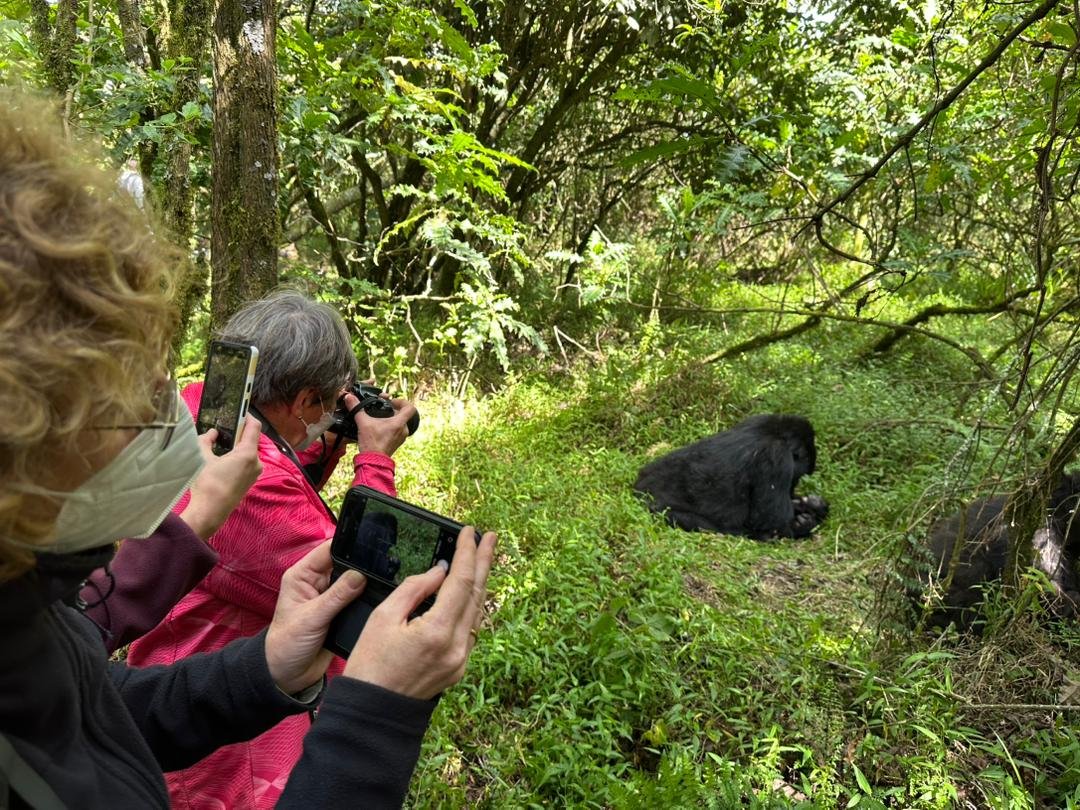
2 Days Uganda Gorilla Tour Starting from Kigali
This is the gentler cousin of our 1-Day Uganda Gorilla Safari Starting from Kigali — same idea, twice the breathing room. Instead of squeezing a 3,000-metre forest trek and two border crossings into a single very long day
Tour Details →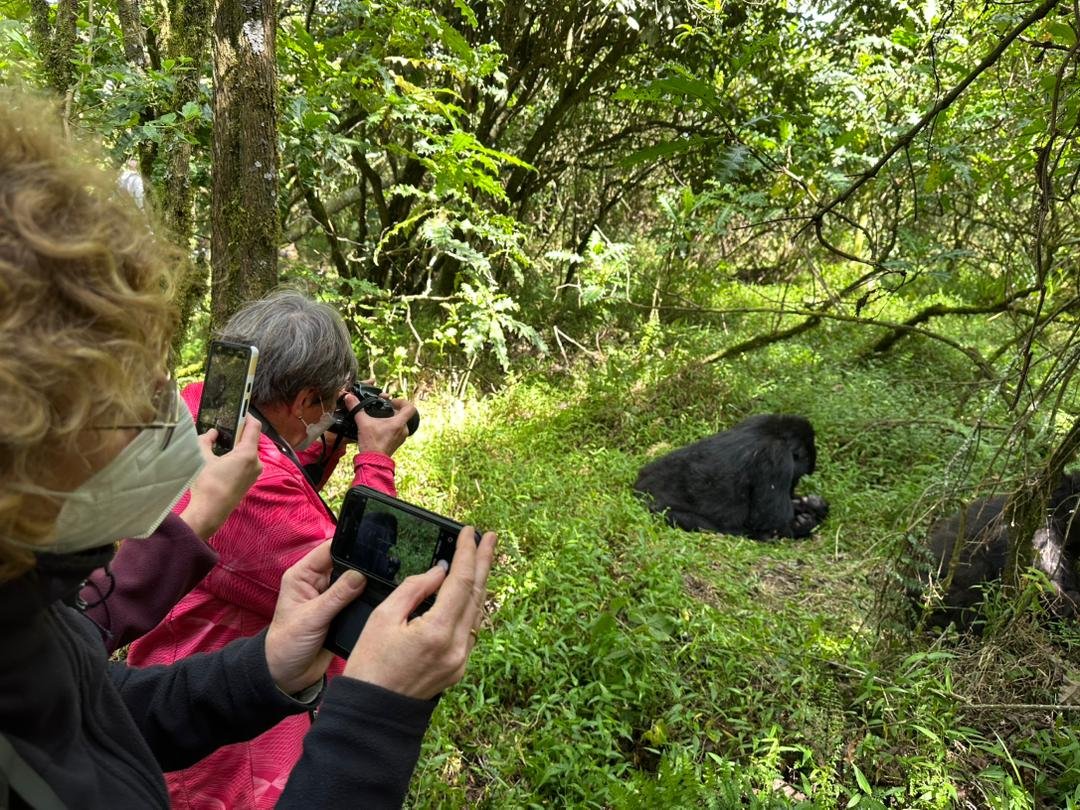
5-Day Uganda Gorilla and Chimpanzee Safari
This itinerary can be combined with a Rwanda extension or a wildlife-focused add-on through Queen Elizabeth National Park — browse our Uganda & Rwanda Safaris and Primate Safaris collections for ideas.
Tour Details →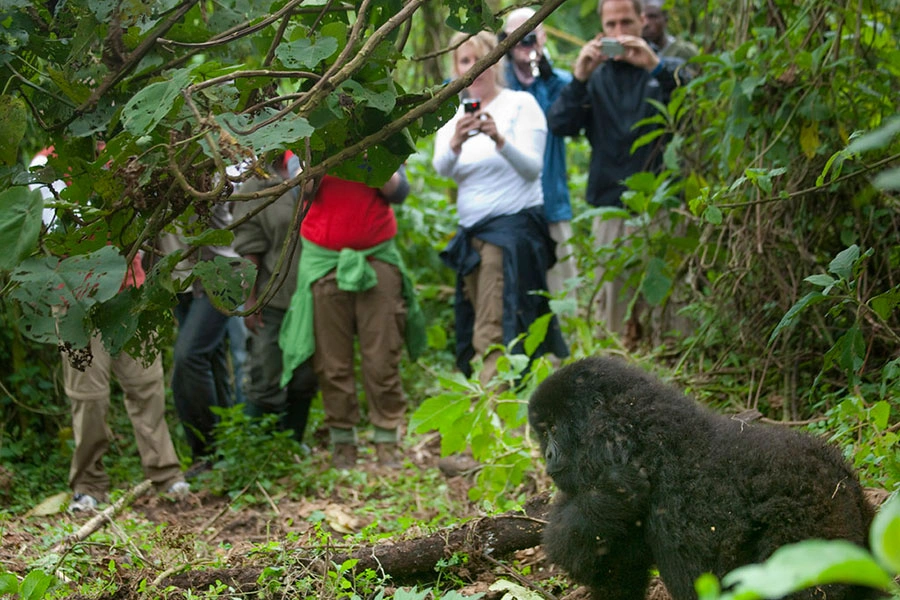
5 Days Rwanda Wildlife and Gorillas
This 5-day itinerary brings together Rwanda’s two flagship wildlife experiences: open savannah game drives and a boat safari in Akagera National Park, followed by a face-to-face encounters
Tour Details →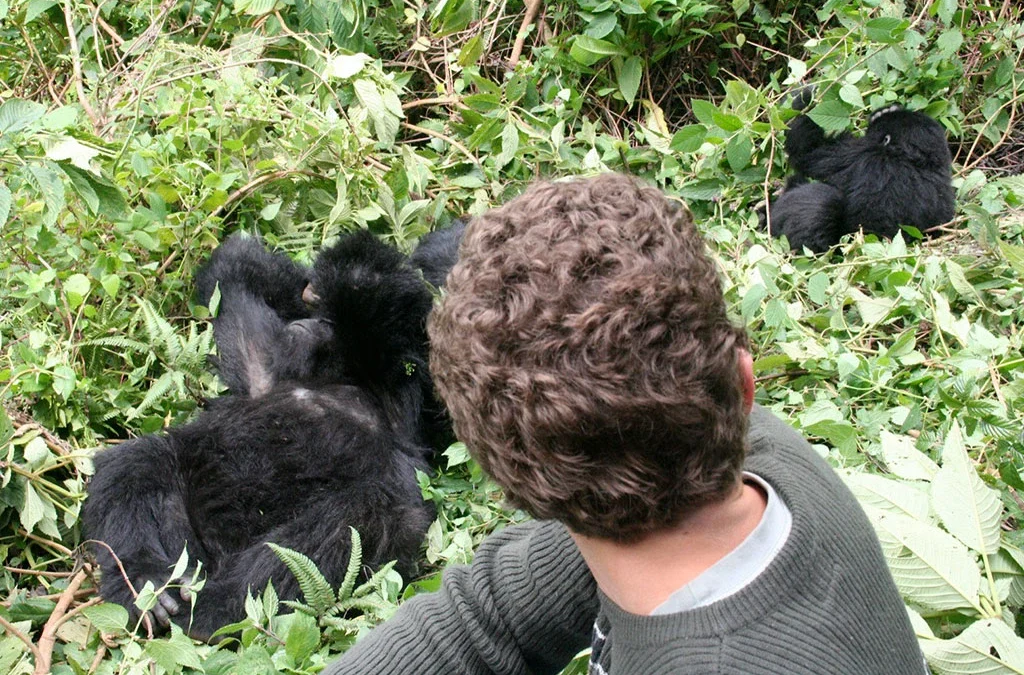
3 Days Uganda Gorilla Safari
For travelers who arrive in Entebbe with a tight schedule and a clear ambition, a 3-day gorilla safari to Bwindi Impenetrable Forest National Park is the most focused and rewarding short trip the country has to offer.
Tour Details →