- LET'S PLAN YOUR SAFARI
- +256 200 921 002
- +256 793 194 703
- info@pickandtransfersafaris.com

Can You Do Gorilla Trekking in Uganda in 1 Day from Kigali?
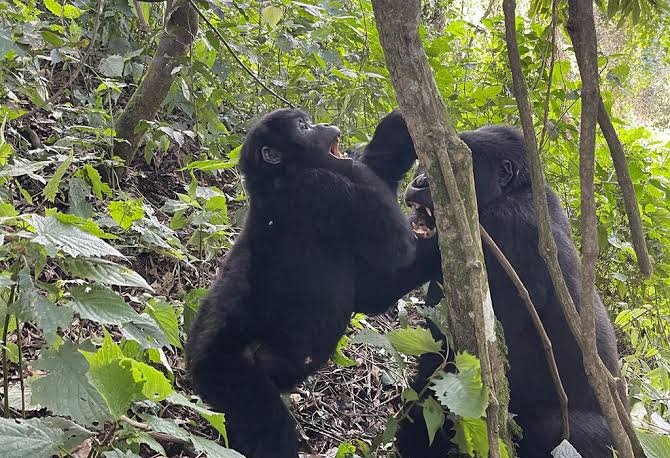
Can You Do Gorilla Trekking in Uganda in 1 Day from Kigali? Yes. Gorilla trekking in Uganda in a single day from Kigali is genuinely possible, but only from Mgahinga Gorilla National Park or Bwindi’s southern Rushaga and Nkuringo sectors, which sit roughly 170–190 km from Kigali via the Cyanika border. Expect an 18-to-20-hour round trip: pre-dawn departure, a border crossing, the trek itself, and a late-night return to Kigali. It is demanding but doable with the right planning, a valid Uganda visa, and a booked gorilla permit.
That one paragraph is the honest, short version. Everything below it fills in the parts that actually determine whether this trip works for you: which park to choose, what the day really looks like hour by hour, what it costs, how the border crossing works, and — just as importantly — who should skip the one-day version and add a second night instead. If you want the full cost-and-logistics breakdown in one place, our complete 1-day gorilla trekking tour guide goes even deeper into pricing and itinerary planning than this page does.
Why Kigali Makes a One-Day Gorilla Trek Possible in the First Place
The short answer to “can you do this” hinges entirely on geography, and Kigali happens to sit unusually close to Uganda’s gorilla parks — much closer than Uganda’s own capital, Kampala, does. Kigali International Airport is roughly three hours by road from the Cyanika border post, and the border itself is only a short drive from both Mgahinga and the southern Bwindi trailheads. Kampala, by contrast, is 8 to 10 hours from the same trailheads. This is the entire reason a same-day round trip is even worth discussing: without Kigali’s proximity, “gorilla trekking in one day” would not be a realistic question to ask at all.
Which Uganda Gorilla Parks Are Reachable From Kigali in a Day
Only two options genuinely work within a single-day window: Mgahinga Gorilla National Park, which is closest to the border and has one habituated gorilla family, and Bwindi Impenetrable Forest’s southern sectors — Rushaga and Nkuringo — which add roughly an hour of extra driving each way but offer several habituated families and therefore more permit availability. Bwindi’s northern sectors (Buhoma, Ruhija) and any of the Virunga-side Congo options are too far from Kigali to attempt in one day; they belong to a two-day-or-longer itinerary. Our detailed comparison of which gorilla park in Uganda is nearest to Kigali walks through the distances park by park if you want more detail before deciding.
How Far Is It, Really? Distances and Drive Times from Kigali
Mgahinga is around 170 km from central Kigali, translating to roughly 3.5–4 hours of driving door-to-door once you account for the border stop. Rushaga and Nkuringo add another 45–70 minutes on top of that, depending on road conditions and which specific trailhead you’re assigned. Kenlink Tours’ own breakdown of travel time and cost from Kigali versus Kampala to Bwindi or Mgahinga is a useful independent reference if you want to sanity-check these numbers against another operator’s figures, as is their note on how far Bwindi actually is from Kigali.
The Realistic Hour-by-Hour Timeline
A typical one-day itinerary looks like this: 3:00–3:30 AM pickup from your Kigali hotel; 3:30–6:30 AM drive to the Cyanika border with a short stop for immigration formalities; 6:30–7:30 AM drive from the border to the park headquarters (Mgahinga) or trailhead (Rushaga/Nkuringo); 7:30–8:00 AM briefing and permit verification; 8:00 AM–1:00 PM the trek itself, which can run anywhere from 2 to 7 hours round trip depending on where the gorilla family is that day; 1:00–2:00 PM lunch near the park; 2:00–6:00 PM the drive back across the border to Kigali, with buffer for a second immigration stop; and a 6:00–8:00 PM arrival back in Kigali, later if the trek or the border crossing runs long. This is not a schedule with much slack in it, which is the single biggest thing to understand before booking.
Crossing the Cyanika Border on a One-Day Trip
The Cyanika border post between Rwanda and Uganda is the standard crossing point for this route, and on a good day it takes 20–40 minutes to clear both sides. It can take considerably longer during busy periods or if paperwork isn’t in order, which is why a private vehicle and driver who cross this border routinely make a real difference — they know the queue patterns and the paperwork requirements cold. Kenlink Tours has a useful visa and border crossing guide for Uganda and Rwanda that covers the documentation side in more detail, and their piece on how many hours you need from Kigali to Bwindi National Park factors the border stop into its timing estimates as well.
Do You Need a Visa to Cross From Rwanda Into Uganda?
Yes. You’ll need either a single-entry Uganda visa or an East Africa Tourist Visa (which covers Rwanda, Uganda, and Kenya on one document), and both should be arranged online before you travel rather than at the border. The East Africa Tourist Visa is usually the more efficient option if you’re flying into Kigali specifically for this trip, since it avoids a second visa application later if your itinerary includes more of the region.
Yellow Fever and Other Health Requirements
A valid yellow fever vaccination certificate is required for entry into Uganda and is checked at the border, so this is not optional paperwork to skip. Beyond that, no other vaccination is mandated for entry, though standard travel health precautions (malaria prophylaxis, general travel insurance) are strongly recommended given the remote route and long travel day.
How Much Does It Cost to Do This in One Day?
Budget roughly USD 950–1,300 per person for a private one-day gorilla trekking tour from Kigali. The gorilla permit itself (USD 700–800, depending on the park and season) is the largest single line item, with the remainder covering private transport, driver-guide fees, park entry, and a meal. Shared or group transport can bring the price down somewhat, but is generally not advisable for a same-day itinerary because of the timing risk involved — a shared vehicle waiting on other travelers can eat into your buffer fast. Kenlink Tours’ guide to the price for a gorilla trekking safari in Uganda and their piece on how much a budget gorilla safari costs in Uganda both break the cost components down further if you want a second reference point.
What’s Included and What You’ll Pay For Separately
A typical one-day package includes the gorilla permit, private 4×4 transport with driver-guide, park entrance and briefing fees, and a packed lunch or a stop at a nearby restaurant. What’s usually excluded: tips for your driver-guide and the park ranger team, any souvenirs, and travel insurance, which is genuinely worth having given how tight the day’s schedule is. Our one-day Uganda gorilla safari starting from Kigali package is built exactly around this inclusion list, with permits and transport bundled into a single upfront price.
Gorilla Permits: Availability and Booking Timeline
Book your permit two to three months ahead for standard travel dates, and four to six months ahead for the June–September and December–February peak seasons. Mgahinga is the tighter squeeze because it has only one habituated family; Rushaga and Nkuringo, with several families between them, generally offer more availability closer to your travel date. Kenlink Tours maintains a running list of available gorilla tours for booking in Uganda that’s worth a glance if you’re checking real-time permit pressure before committing to dates.
Mgahinga vs Bwindi (Rushaga/Nkuringo) for a One-Day Trip
Mgahinga wins on distance — it’s the fastest option and gives you the largest schedule buffer, which matters enormously on a same-day itinerary. Its drawback is permit scarcity, since only one gorilla family is habituated there. Rushaga and Nkuringo add roughly an hour of driving each way but spread demand across several families, so if Mgahinga is sold out for your dates, they’re the natural fallback. Our side-by-side look at gorilla trekking in Mgahinga from Kigali and our page on the Kigali-to-Bwindi one-day gorilla trek both go deeper into this specific trade-off.
What the Actual Trek Feels Like
The trek itself is identical whether you’re doing it as a one-day or a multi-day trip — a ranger-led hike through forest terrain that can take anywhere from 2 to 7 hours round trip depending on where the gorilla family has moved to that morning. Once you find them, you get a strictly enforced one-hour encounter, which is the same across every gorilla park in the region. The uncertainty in trek duration is precisely why a one-day itinerary needs generous buffer time built in on both ends.
Physical Fitness You’ll Actually Need
You don’t need to be an athlete, but reasonable fitness matters more here than on a two-day trip, because you’re doing the hike on top of an already long, tiring travel day with minimal rest. Steep, muddy terrain and altitude (parks sit at 1,800–2,600 metres) are the two factors that catch underprepared travelers off guard. If you have any doubts about your fitness level, porters are available at the trailhead and are genuinely worth hiring — they’re also a direct source of income for surrounding communities.
What to Pack for a Same-Day Gorilla Trek
Sturdy waterproof hiking boots, a light rain jacket, gardening-style gloves for pushing through vegetation, a hat, sunscreen, insect repellent, a 1–2 litre water bottle, and cash in small denominations for tips are the essentials. Because you’re not overnighting in Uganda, pack light and keep everything in a daypack rather than full luggage — your main bags can stay at your Kigali hotel if you’re returning there the same night.
Best Time of Year to Attempt This
The dry seasons — June to September and December to February — offer firmer trails and generally faster treks, which is exactly what you want when your schedule has little room for delay. The wetter months (March–May, October–November) aren’t impossible, but they add real risk of slower going and muddier trails, both of which can push a tight one-day schedule past its limit.
Private vs Group Transport — Why It Matters More Than You Think
On any normal multi-day itinerary, shared transport is a reasonable way to cut costs. On a one-day trip, it’s a genuine risk to your schedule: a shared vehicle waits on every passenger, and any delay compounds against an already tight timeline with a border crossing on each end. Private transport costs more but is close to essential here, since it lets your driver adjust departure and route in real time if the trek runs long or the border queue is slow.
What Happens If Your Trek Runs Long
If your gorilla family has moved deep into the forest that day, the round-trip hike can stretch well past the average, pushing your entire return schedule later. A well-planned one-day itinerary builds in two to three hours of buffer specifically for this scenario. Without that buffer, a long trek can mean arriving back in Kigali well after dark, missing a same-day evening flight, or arriving at the border after preferred crossing hours.
Common Reasons a One-Day Plan Falls Apart
The recurring failure points are: booking shared rather than private transport, underestimating border crossing time, choosing Rushaga or Nkuringo without accounting for the extra driving hour, scheduling a same-evening flight out of Kigali with no buffer, and not confirming the gorilla permit far enough in advance. Every one of these is avoidable with realistic planning rather than optimistic best-case assumptions.
Who Should Actually Attempt a One-Day Trek
This itinerary suits business travelers with a genuinely tight schedule, stopover travelers transiting through Kigali, and fit, flexible travelers who would rather take on one very long day than add a hotel night in Uganda. It is not a compromise on the gorilla encounter itself — you get the same permit, the same hour with the same habituated family as a two-day visitor.
Who Should Choose Two Days Instead
Families traveling with children, older travelers, anyone with mobility limitations, and travelers who simply want a less exhausting trip should look at a 2-day Uganda gorilla tour starting from Kigali instead. Adding one overnight in Uganda removes almost all the time pressure from the day of the trek itself and gives you a genuine rest period before flying home.
Is It Safe?
Yes, when arranged through an experienced operator with a private vehicle and a driver who knows the route and border procedures. The real risk on a one-day trip isn’t personal safety in the usual sense — it’s schedule risk: a long trek, a slow border crossing, or a delayed pickup stacking up against a day with little slack. Choosing a reputable operator and building in buffer time addresses almost all of it.
Kigali vs Kampala as Your Starting Point
Kigali is unambiguously the better base for a one-day attempt. Kampala’s distance from the southwestern parks — 8 to 10 hours each way — simply doesn’t leave room for a same-day round trip once you add the trek itself. If your flights route through Entebbe rather than Kigali, a one-day trek from there isn’t realistic; a two-day itinerary is the honest option in that case.
Can You Fly Out the Same Night?
It’s strongly discouraged. Because trek duration and border crossing times can’t be predicted precisely, booking a same-evening flight out of Kigali risks missing it entirely if the day runs long. If your schedule allows it, plan to fly out the following morning instead, or add a buffer night in Kigali.
Comparing a One-Day Uganda Trek to Trekking in Rwanda Instead
Since you’re already in Kigali, it’s worth asking whether trekking in Rwanda’s own Volcanoes National Park might be simpler than crossing into Uganda at all — and for many travelers, it is, since it removes the border crossing entirely. The trade-off is cost: Rwandan gorilla permits run considerably higher than Uganda’s. If budget is the deciding factor, the Uganda route (with its border crossing) usually wins; if simplicity is the priority, staying in Rwanda for a Volcanoes gorilla trek from Kigali might suit you better.
Sample Itinerary for a Single Day
| Time | Activity |
|---|---|
| 3:00 AM | Pickup from Kigali hotel |
| 3:00–6:30 AM | Drive to Cyanika border and cross into Uganda |
| 6:30–7:30 AM | Drive to park headquarters or trailhead |
| 7:30–8:00 AM | Briefing and permit verification |
| 8:00 AM–1:00 PM | Gorilla trek and one-hour encounter |
| 1:00–2:00 PM | Lunch near the park |
| 2:00–6:00 PM | Drive back across the border to Kigali |
| 6:00–8:00 PM | Arrival back at your Kigali hotel |
Budget Breakdown for a One-Day Trip
| Item | Approximate Cost (USD, per person) |
|---|---|
| Gorilla permit | 700–800 |
| Private transport and driver-guide | 150–300 |
| Park entry and briefing fees | Included in permit |
| Meals | 20–40 |
| Tips (guide, ranger, porter) | 30–60 |
| Total | 950–1,300 |
Booking Steps: How to Actually Arrange This
Secure your gorilla permit first, since permits — not vehicles — are the scarce resource on this route. Once your date is locked in, confirm private transport and border-crossing arrangements around it. Reach out through our contact page with your preferred dates, and we’ll confirm permit availability before you commit to anything. If a one-day trip turns out not to fit your schedule once you’ve reviewed everything here, our full range of gorilla safari packages covers two-day and longer options as well.
Mistakes First-Timers Make
The most common one is treating the one-day trip as low-risk simply because it’s a well-worn route — it isn’t, and it rewards careful planning far more than a two-day trip does. Others include booking a cheap shared vehicle to save money, skipping travel insurance, forgetting the yellow fever certificate, and not confirming the East Africa Tourist Visa is accepted at Cyanika before travel (it generally is, but confirming in advance avoids surprises).
Tipping and Cash Considerations
Carry US dollars in small denominations for tips — your driver-guide, the park ranger team, and a porter if you hire one. USD 15–20 per person is a reasonable ranger tip, with a similar amount for your driver-guide over the full day. Card payment is not reliably available at trailheads, so cash is the only realistic option here.
What Guides Wish First-Timers Knew
Experienced guides consistently mention two things: build in more buffer time than you think you need, and choose Mgahinga over Rushaga/Nkuringo whenever permits allow, purely because of the shorter drive. Beyond that, packing light and wearing broken-in boots — not new ones — make a bigger difference to how the day feels than almost anything else.
Environmental and Community Impact of Your Permit
A significant share of every gorilla permit fee goes directly toward park conservation and community development projects around Mgahinga and Bwindi, which is part of why permits are priced the way they are. Choosing a private, well-run itinerary over a rushed budget option also tends to mean better outcomes for the local guiding and portering economy that depends on this tourism.
Alternative: Landing in Entebbe Instead of Kigali
If your flights route through Entebbe rather than Kigali, a one-day trek genuinely isn’t realistic given the 8-to-10-hour distance from the southwestern parks. Kenlink Tours’ comparison of landing in Kigali or Entebbe for a gorilla safari is a useful read if you’re still deciding which airport to fly into for this trip.
What If You’re Traveling as a Couple or Small Group?
A private one-day itinerary scales reasonably well for couples and small groups of up to four or five, since permit cost per person stays fixed while transport cost per person drops as the group grows. Larger groups need to book permits well in advance, since availability for the same gorilla family on the same date is limited — Mgahinga in particular can only accommodate eight trekkers per day for its single family. If your group is larger than that, splitting across Mgahinga and Rushaga, or across two different dates, is usually the more realistic plan. Our page on one-day gorilla trekking in Uganda starting from Kigali covers group logistics in more detail.
Weather Contingency Planning
Southwestern Uganda’s weather is genuinely unpredictable outside the core dry seasons, and rain doesn’t cancel a trek — it just makes it slower and muddier, which eats directly into the schedule buffer a one-day trip depends on. Pack a proper rain jacket rather than an umbrella, wear boots with real ankle support, and build extra time into your return drive if you’re trekking during the shoulder or wet months. Travel insurance that explicitly covers trip delay, not just medical evacuation, is worth checking for before you book, since a genuinely late return is the most likely disruption on this itinerary.
Insurance: What It Should Cover for a One-Day Trip
Beyond standard medical and evacuation cover, look for a policy that includes trip delay and gorilla permit cancellation cover specifically — permits are non-refundable in most circumstances, and a policy that reimburses a missed or rescheduled permit because of illness, a missed border crossing, or a flight delay into Kigali is worth the modest extra premium given how much of this trip’s total cost sits in that single line item.
Combining This with a Kigali City Tour Beforehand
Because a one-day gorilla trek starts before dawn, most travelers arrive in Kigali the evening before and have little time to explore the city itself. If your schedule allows an extra day on either side, a short Kigali city tour — the Genocide Memorial, Kimironko Market, and Nyamirambo — is a natural add-on that doesn’t interfere with the trek day’s early start. This is worth considering specifically because it turns a single exhausting day into a fuller Rwanda-Uganda trip without requiring an overnight stay in Uganda itself.
How This Compares to Trekking from Kisoro Town
Travelers already based in Kisoro, on the Uganda side of the border, have a much shorter drive to either Mgahinga or Bwindi’s southern sectors than anyone starting from Kigali does — but that only matters if you’re already in Uganda. For the specific question this page answers (starting from Kigali), the Cyanika border crossing is unavoidable, and Kisoro’s proximity advantage doesn’t change the math for a Kigali-based one-day trip. Kenlink Tours’ guide on the best hotels in Kisoro is a useful reference if you’re weighing a Kisoro overnight instead of a same-day return to Kigali.
Booking Timeline Checklist
Roughly four to six months out: confirm your travel dates and start checking permit availability, especially for Mgahinga or if you’re traveling in peak season. Two to three months out: lock in your gorilla permit and confirm private transport. Two to four weeks out: confirm your Uganda visa or East Africa Tourist Visa is approved, and check your yellow fever certificate is valid and easy to locate on travel day. One week out: reconfirm pickup time with your operator and finalize what you’re packing. This timeline applies whether you ultimately book directly with us or compare it against Kenlink Tours’ own Uganda gorilla safari starting from Kigali, Rwanda itinerary.
What Happens to Your Gorilla Permit If You Cancel
Uganda Wildlife Authority permits are generally non-refundable and non-transferable to a different date once issued, though rebooking policies can vary by how far in advance you cancel and through which operator you booked. This is the single strongest argument for travel insurance that specifically covers permit cancellation, and for booking through an operator who will tell you plainly what your cancellation options are rather than glossing over the fine print.
Rwanda vs Uganda Permit Pricing, Side by Side
Rwanda’s gorilla permits sit well above Uganda’s — often more than double, depending on season and any promotional pricing Rwanda occasionally runs. For a Kigali-based traveler, this price gap is usually the deciding factor in choosing to cross into Uganda for a day rather than simply trekking in Rwanda’s own Volcanoes National Park next door. Our page on how much gorilla trekking in Rwanda costs lays out the Rwanda-side numbers if you want to compare both options directly before deciding which country to trek in.
Age Limits and Who Can Trek
Both Uganda and Rwanda set a minimum age of 15 for gorilla trekking permits, a rule enforced strictly at check-in with no exceptions for younger children regardless of fitness. There is no upper age limit, but older travelers should weigh the physical demands honestly against a one-day itinerary’s lack of rest time. Our detailed look at the gorilla trekking age limit explains the reasoning and any exceptions that occasionally apply.
How This One-Day Route Compares to Our Other Kigali-to-Uganda Guides
This page is deliberately the short, direct answer to “can you do it” — for the full cost breakdown, itinerary planning, and border logistics in one comprehensive resource, see our 1-Day Gorilla Trekking Tour from Kigali to Uganda guide. If Bwindi specifically is your target park rather than Mgahinga, our 1-Day Bwindi Gorilla Trekking Tour from Kigali page is built around Rushaga and Nkuringo pricing and logistics. And if you’re still deciding between parks, routes, and trip lengths generally, our 1-Day Gorilla Tour from Kigali overview page links out to every option in this cluster in one place.
A Note on Where You Sleep the Night Before
Since your pickup time is typically 3:00–3:30 AM, where you stay the night before matters more than most travelers expect. A hotel close to your pickup point in Kigali, rather than one that adds even 20–30 minutes to the start of an already long day, is worth prioritizing over other amenities when booking your pre-trek accommodation. Our guide to hotels for gorilla trekking in Mgahinga National Park also covers a small number of properties closer to the border itself, for travelers who would rather split the very early start across two shorter drives instead of one long one.
What Happens During the One-Hour Gorilla Encounter
Once your ranger-led group locates the habituated family, you’re given exactly one hour with them — a rule applied identically across every park and every itinerary length, so a one-day trip loses nothing here compared to a longer trip. Rangers keep the group at a respectful distance (typically 7 metres), ask for quiet voices and no flash photography, and position you for the best safe viewing angle as the family moves and forages. Most travelers describe this hour as passing remarkably fast; it’s worth deciding in advance how much of it you want to spend photographing versus simply watching, since trying to do both fully rarely works well in the moment.
Do You Get a Certificate After the Trek?
Yes — both Uganda Wildlife Authority and Rwanda Development Board issue a certificate confirming your successful gorilla trek, typically handed out at the end of the day near the park headquarters. It’s a small thing, but worth keeping if you plan to use the trip for any future permit-related paperwork, since a small number of return-visitor discounts and permit combination offers reference a prior trek certificate.
What Your Kigali Hotel Should Know Before Pickup Day
Let your Kigali hotel know in advance that you have a 3:00–3:30 AM pickup, since some smaller properties lock their front doors overnight and need advance notice to arrange access, or a packed breakfast if their kitchen doesn’t open that early. This is a small detail, but it’s one of the more common minor hiccups on one-day itineraries — a guest ready and waiting in a lobby nobody unlocked. Confirming this the evening before, alongside your operator’s pickup time, removes one more variable from an already tightly scheduled day.
Full Packing List for the Day
Beyond the hiking essentials already covered, bring: your passport and printed or downloaded visa confirmation, your gorilla permit confirmation (some operators carry this for you, but it’s worth having your own copy), a fully charged phone or camera with a spare battery, a lightweight change of shirt for the drive home, motion sickness tablets if you’re prone to it given the winding mountain roads, and small-denomination US dollars for tips, since ATMs are not reliably available along this route once you cross the border.
How Reliable Are Same-Day Reviews and Reports From Other Travelers?
Online reviews of one-day gorilla treks tend to be strongly polarized — five-star accounts of a perfectly executed day sitting next to frustrated accounts of a border delay or a long trek that pushed the return well past midnight. Both are accurate reflections of real trips; the difference usually comes down to how much buffer time and private-vehicle flexibility the operator built in, not luck. When comparing operators, ask specifically how they handle a trek that runs long or a border queue that’s slower than expected, rather than just comparing headline prices — that answer tells you more about how your actual day will go than the itinerary on paper does.
Frequently Asked Questions
Can you really do gorilla trekking in Uganda in one day from Kigali?
Yes — from Mgahinga or Bwindi’s Rushaga/Nkuringo sectors specifically, via the Cyanika border, in an 18-to-20-hour round trip.
Is one day enough time, or is it too rushed?
It’s tight but workable with private transport and realistic buffer time. It is not a relaxed day, and it isn’t the right choice for every traveler.
Do I need a visa for this trip?
Yes, either a single-entry Uganda visa or an East Africa Tourist Visa, arranged online before you travel, plus a valid yellow fever certificate.
How much does a one-day gorilla trek from Kigali cost?
Roughly USD 950–1,300 per person, with the gorilla permit making up the majority of that figure.
Which park should I choose for a one-day trip?
Mgahinga if permits are available, since it has the shortest drive; Rushaga or Nkuringo if Mgahinga is sold out, at the cost of roughly an extra hour of driving each way.
Is gorilla tracking the same as gorilla trekking?
Yes — “tracking” and “trekking” describe the identical activity of hiking to find a habituated gorilla family, and the two terms are used interchangeably.
Should I book private or shared transport?
Private. A shared vehicle’s dependence on other passengers is one of the biggest risks to a tight one-day schedule.
What’s the single biggest risk on a one-day gorilla trek?
Time, not safety. A longer-than-average trek combined with a slow border crossing is the most common way a one-day itinerary runs late, which is why buffer time and private transport matter more here than on any other part of the trip.
What We’d Tell a Friend Asking This Exact Question
If a friend asked us this question directly, the honest answer would be: do it if your schedule truly has no flexibility, but don’t choose the one-day version purely to save the cost of one hotel night, since the price difference between the one-day and two-day itineraries is usually smaller than travelers expect once transport and buffer costs are factored in. The gorilla encounter itself won’t be any better or worse either way — what changes is entirely how rested and relaxed you feel doing it. Travelers who’ve done both routes tend to agree that a two-day trip feels like a trip, while a one-day trip feels like a mission accomplished — both are valid, depending on what you came for.
Can You Do Gorilla Trekking in Uganda in 1 Day from Kigali?
Gorilla trekking in Uganda in one day from Kigali is a genuine, well-tested option — not a shortcut on the actual encounter, which is identical to what a two-day visitor experiences. It demands realistic planning: private transport, an early permit booking, generous buffer time, and an honest acceptance that it will be a long, tiring, unforgettable day. If your schedule genuinely can’t accommodate a second night, it’s one of the most efficient wildlife experiences available anywhere in Africa, and thousands of travelers complete this exact route successfully every year. If you have any flexibility at all, our 2-day version of this same trip removes almost all of the time pressure while keeping the same gorilla encounter, the same one-hour visit, and the same habituated families at its core — just with room to breathe around it.
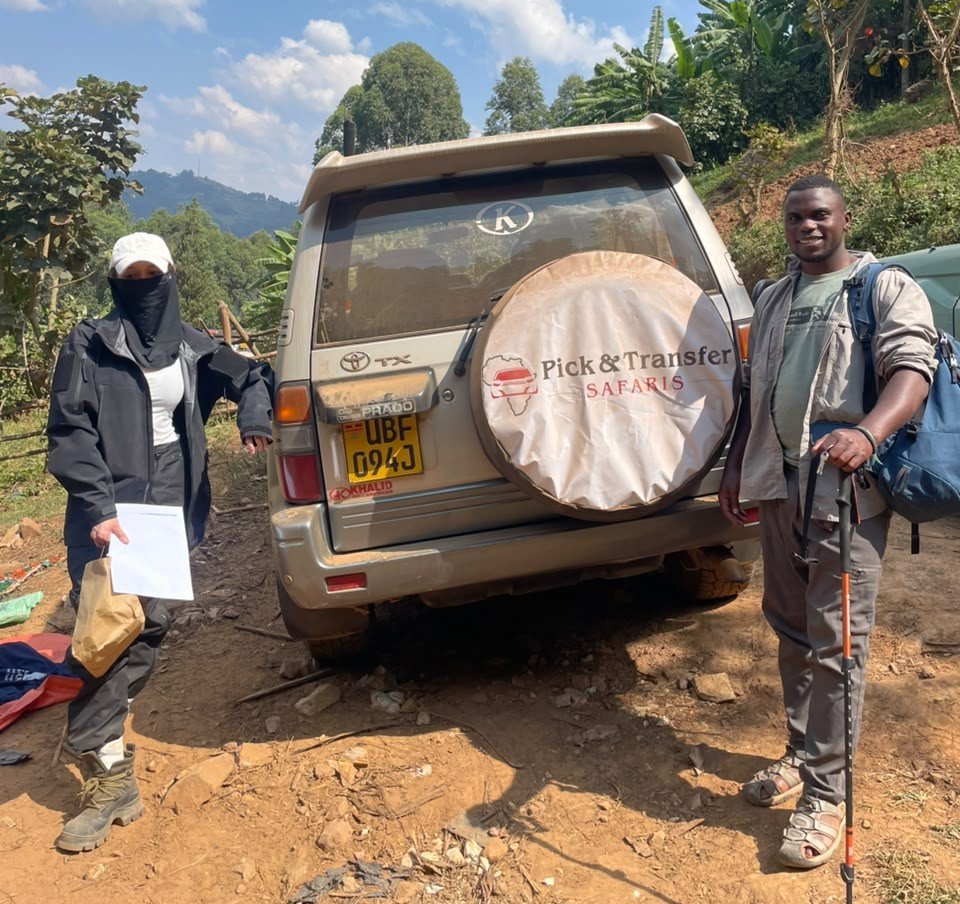
7 Days Uganda Safari – One week tour
This 7-day itinerary is the classic one-week introduction to Uganda, covering the country’s three most iconic wildlife experiences: chimpanzee tracking in Kibale Forest National Park, Big Five game drives and a boat cruise in Queen
Tour Details →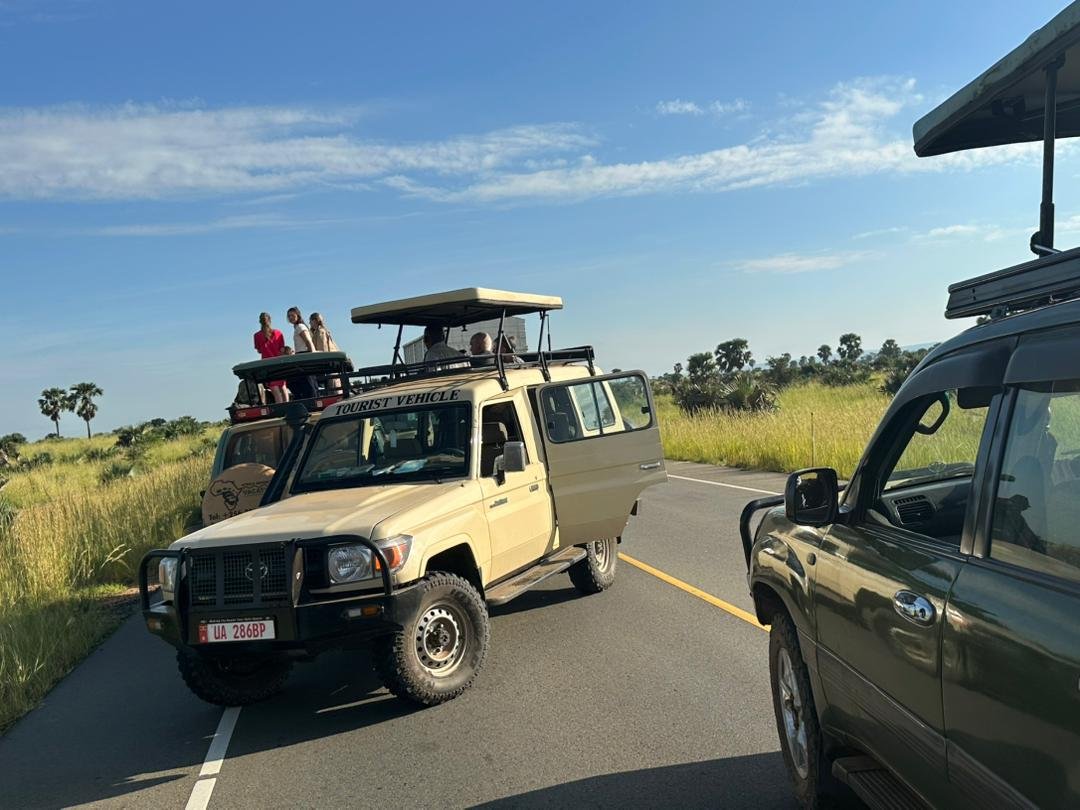
10 Days Uganda Primates and Wildlife
This 10-day Uganda Grand Safari is the most complete Uganda itinerary we offer at Pick and Transfer Safaris. It begins with a scenic northward drive from Entebbe to the vast open plains of Murchison
Tour Details →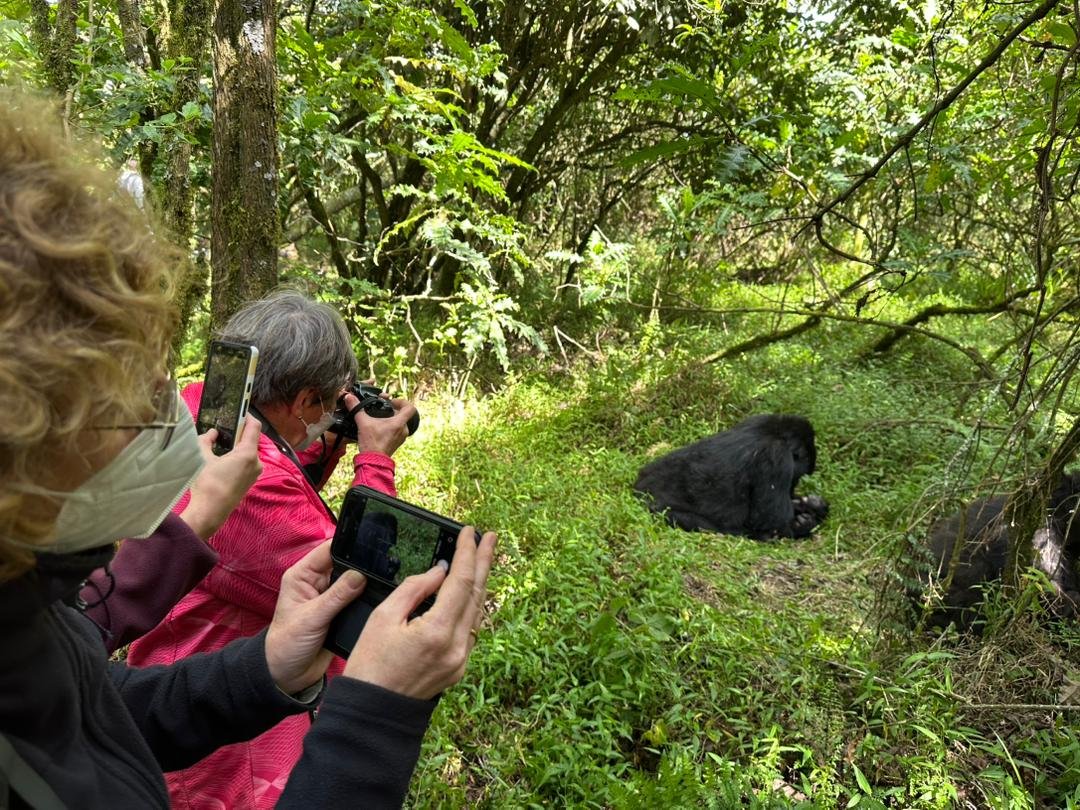
2 Days Uganda Gorilla Tour Starting from Kigali
This is the gentler cousin of our 1-Day Uganda Gorilla Safari Starting from Kigali — same idea, twice the breathing room. Instead of squeezing a 3,000-metre forest trek and two border crossings into a single very long day
Tour Details →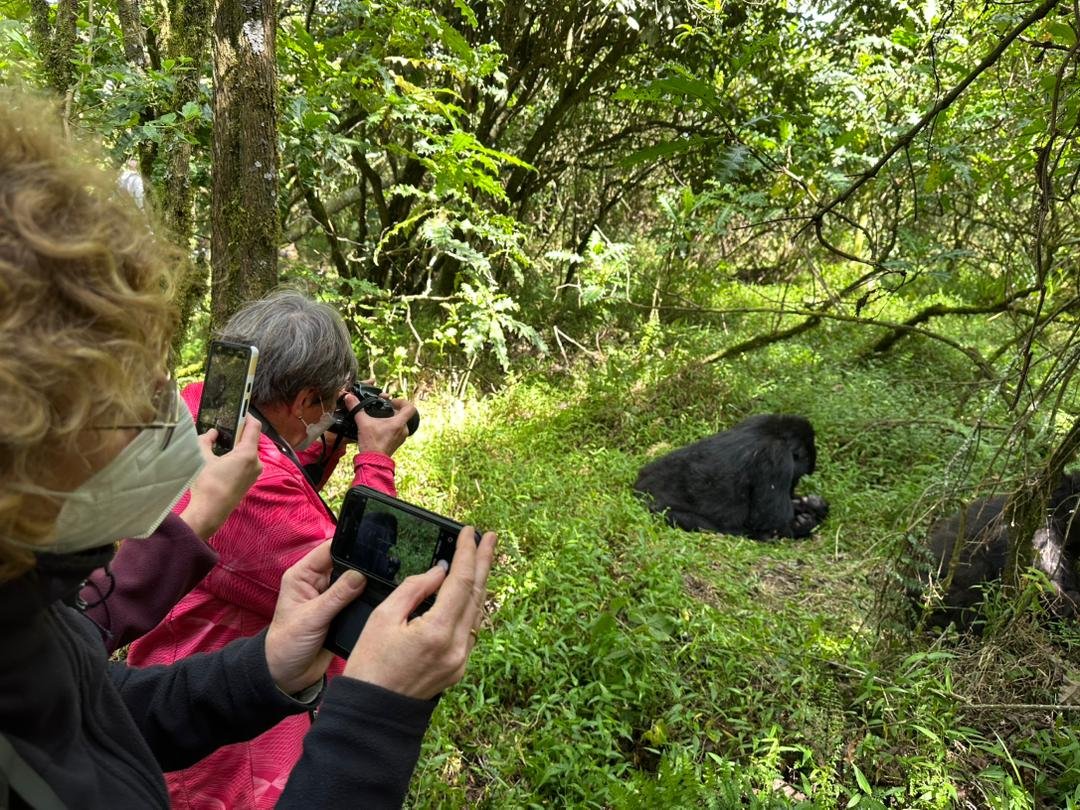
5-Day Uganda Gorilla and Chimpanzee Safari
This itinerary can be combined with a Rwanda extension or a wildlife-focused add-on through Queen Elizabeth National Park — browse our Uganda & Rwanda Safaris and Primate Safaris collections for ideas.
Tour Details →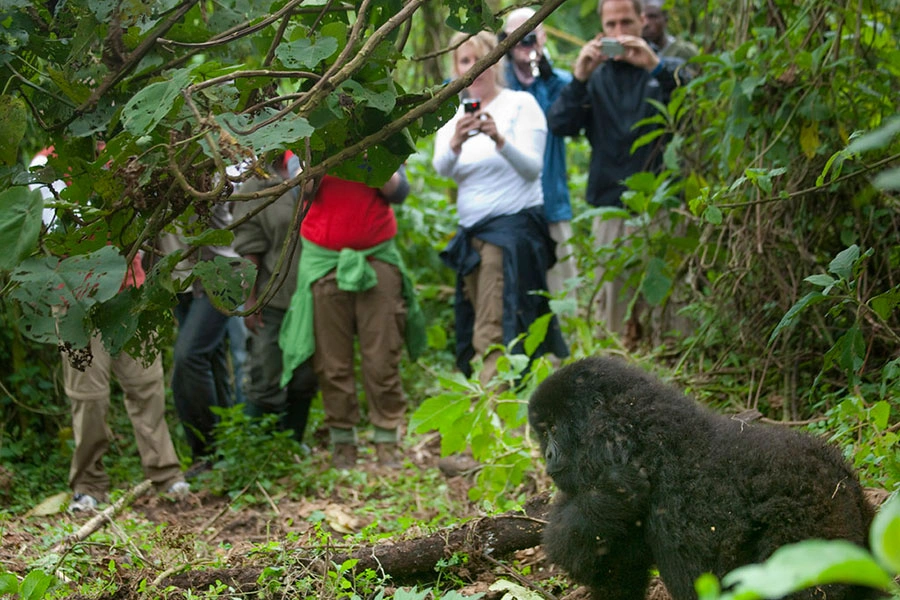
5 Days Rwanda Wildlife and Gorillas
This 5-day itinerary brings together Rwanda’s two flagship wildlife experiences: open savannah game drives and a boat safari in Akagera National Park, followed by a face-to-face encounters
Tour Details →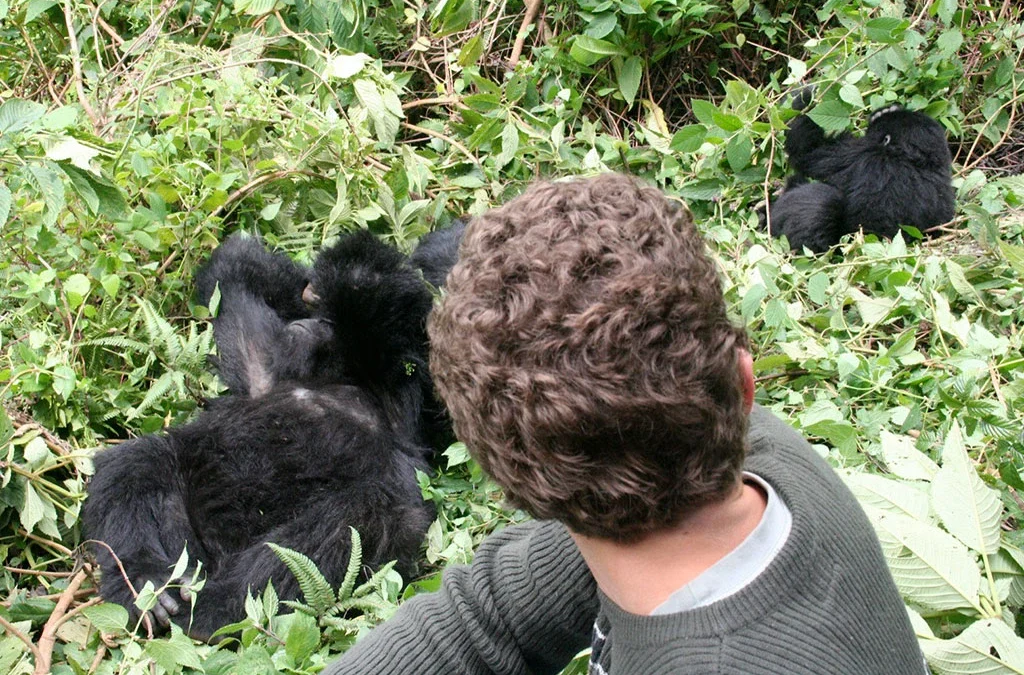
3 Days Uganda Gorilla Safari
For travelers who arrive in Entebbe with a tight schedule and a clear ambition, a 3-day gorilla safari to Bwindi Impenetrable Forest National Park is the most focused and rewarding short trip the country has to offer.
Tour Details →