- LET'S PLAN YOUR SAFARI
- +256 200 921 002
- +256 793 194 703
- info@pickandtransfersafaris.com

How Much Does a 1 Day Gorilla Trekking Tour from Kigali Cost?
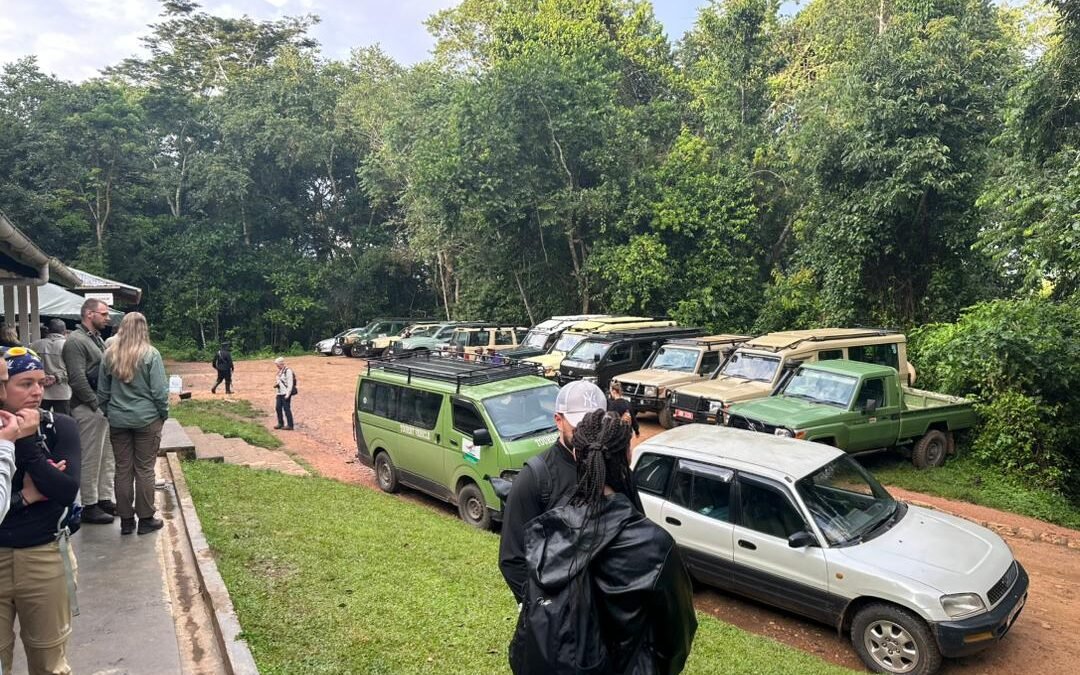
How Much Does a 1 Day Gorilla Trekking Tour from Kigali Cost? Quick answer: A private one-day gorilla trekking tour from Kigali to Uganda typically costs USD 950 to 1,300 per person. The gorilla permit (USD 700–800) is the largest single cost, with the remainder covering private transport, a driver-guide, park fees, and a meal. Shared transport can lower the total slightly, but it’s generally not recommended for a same-day itinerary because of the schedule risk involved.
That’s the headline number, but the real answer depends on which park you choose, whether your transport is private or shared, and which extras you factor in. This guide breaks every part of that cost down individually, so you can see exactly where your money goes and where there’s genuine room to save versus where cutting corners creates real risk on the day itself. For the fuller logistics picture beyond just cost, our complete 1-day gorilla trekking tour guide covers the itinerary, border crossing, and permit timeline in more depth. Read on for the full line-by-line breakdown, park-by-park cost differences, and the specific hidden costs worth asking about before you pay any deposit.
The Full Cost Breakdown, Line by Line
| Item | Typical Cost (USD, per person) |
|---|---|
| Gorilla permit | $800 |
| Private transport and driver-guide (full day) | 150–300 |
| Park entrance and briefing fees | Included in permit |
| Meals | 20–40 |
| Tips (driver-guide, ranger, optional porter) | 30–60 |
| Visa (East Africa Tourist Visa or Uganda single-entry) | 50–100 |
| Total (excluding visa, often already held) | 950–1,300 |
Gorilla Permit: The Single Biggest Cost
The gorilla permit itself makes up roughly 65–75% of the total trip cost, priced by the Uganda Wildlife Authority rather than by any individual operator, so it doesn’t vary between packages the way transport pricing does. It’s non-refundable in most circumstances once booked, which is exactly why permit timing and confirmation matter so much when comparing packages. Kenlink Tours’ breakdown of the price for a gorilla trekking safari in Uganda is a solid independent reference for how permit pricing compares across the region.
Private Transport Costs
Private 4×4 transport with a driver-guide for the full 18-to-20-hour round trip typically runs USD 150–300 per person, depending on group size — costs drop meaningfully per person as your group grows, since the vehicle cost is shared. This is the one major cost category where a genuinely private, well-run itinerary does cost more than a shared one, and where that extra cost buys real schedule flexibility on a route with very little slack.
Why Shared Transport Is Cheaper but Riskier
Shared transport packages can bring the total cost down by roughly USD 50–150 per person, but tie your schedule to every other passenger’s pickup and pace on a day that has almost no buffer to spare. For most travelers attempting the one-day version specifically, that cost saving is smaller than the schedule risk it introduces, which is why most well-run one-day itineraries default to private transport even at a higher price.
Park Entrance and Briefing Fees
These are bundled into the permit price rather than charged separately, so there’s rarely a standalone line item to budget for here. Where operators do sometimes add a small separate “park service fee,” it should be disclosed clearly upfront rather than appearing as a surprise on the day.
Meal Costs
A packed lunch or a stop at a simple restaurant near the park typically costs USD 20–40 if not already bundled into your package price. Given the schedule, a quick meal that keeps you moving is usually the more practical choice over a longer sit-down option, regardless of price.
Tipping: What to Budget and Who to Tip
Plan for roughly USD 15–20 for your park ranger, a similar amount for your driver-guide across the full day, and USD 15–20 more if you hire a porter (genuinely worth it, and a direct source of local income). Carry US dollars in small denominations, since card payment is unreliable at trailheads and along this route generally.
Visa Costs
A single-entry Uganda visa or an East Africa Tourist Visa (covering Rwanda, Uganda, and Kenya) typically costs USD 50–100 and is arranged online before travel. If you’re already holding an East Africa Tourist Visa for a broader regional trip, this cost is effectively already sunk and doesn’t add to your gorilla trek budget specifically.
Yellow Fever Vaccination Cost
If you don’t already hold a valid yellow fever certificate, the vaccination itself typically costs USD 30–150 depending on where you get it and whether it’s covered by existing health insurance — worth arranging well before your trip date rather than budgeting for it as a last-minute expense.
Mgahinga Cost vs Bwindi (Rushaga/Nkuringo) Cost
The permit price is generally similar across parks, but Bwindi’s Rushaga and Nkuringo sectors add roughly an hour of extra driving each way, which can add USD 20–50 to your private transport cost compared to the shorter Mgahinga route. Our page on gorilla trekking in Mgahinga from Kigali and our Kigali-to-Bwindi one-day gorilla trek page both go into the park-specific cost detail further.
Peak Season vs Low Season Cost Differences
Permit pricing itself doesn’t typically change by season, but transport and accommodation costs around your travel dates can rise during the June–September and December–February peak periods due to overall demand. Booking further ahead during peak season also matters more for cost than for availability alone, since last-minute peak-season bookings sometimes carry premium pricing from operators managing tight capacity.
Cost If You Book Independently vs Through a Package
Booking permit and transport separately can occasionally shave a small amount off the total, but it shifts coordination risk entirely onto you, and any mismatch between your independently booked transport and permit timing has no single point of accountability to fix it. Our guide to choosing the best gorilla trekking package from Kigali breaks down exactly what a fair, all-in package price should include.
Hidden Costs to Watch For
Ask specifically about: separate “vehicle surcharges” added after an initially low quote, permits marked “pending” rather than confirmed (which can mean a price change if availability shifts), optional insurance upsells that duplicate cover you may already have, and border-crossing “facilitation fees” that a well-run operator shouldn’t need to charge on top of their base price. Kenlink Tours’ piece on how to do a cheap gorilla safari in Uganda is a useful independent check on where genuine savings exist versus where a low headline price usually means a cost added back in later.
How to Reduce Cost Without Cutting the Wrong Corners
The permit and private transport are not the places to cut cost on a one-day itinerary, given the schedule risk involved. Genuine savings exist in choosing a simpler packed lunch over a lodge meal, traveling in a small group to split transport cost per person, and booking during shoulder months rather than peak season where transport pricing tends to be softer. Our cheap 1-day gorilla trekking tours from Kigali to Uganda guide goes further into exactly which corners are safe to cut and which aren’t.
Cost Comparison: One Day vs Two Days
A two-day itinerary adds roughly USD 100–250 per person for one night’s accommodation in Uganda, but often reduces per-person transport pressure since the drive is split across two calmer days rather than one long round trip. For many travelers, the total cost difference between the one-day and two-day versions is smaller than expected once this trade-off is accounted for. See our 2-day Uganda gorilla tour starting from Kigali page for a direct cost comparison.
Cost If You Trek in Rwanda Instead
Since you’re already in Kigali, it’s worth knowing that Rwandan gorilla permits cost significantly more than Uganda’s — often more than double. For a Kigali-based traveler focused purely on cost, crossing into Uganda for the day is usually the cheaper route despite the added border-crossing logistics. Our page on how much gorilla trekking in Rwanda costs lays out the Rwanda-side numbers for direct comparison.
Group Size and Per-Person Cost
Traveling as a couple or small group meaningfully reduces per-person transport cost, since the vehicle and driver-guide fee is shared while the permit cost stays fixed per person regardless of group size. A group of four typically pays noticeably less per person for transport than a solo traveler booking the identical private itinerary.
What a Genuinely All-In Price Should Include
A transparent, all-in quote should cover the permit, private transport, park fees, and a meal, with only tips, visa costs, and personal expenses left outside it. If a quoted price looks unusually low relative to the USD 950–1,300 typical range, ask directly what’s excluded before assuming you’ve found a genuine bargain.
Sample Total Cost for a Solo Traveler
Permit (USD 750) + private transport (USD 250, full vehicle cost since traveling solo) + meal (USD 30) + tips (USD 45) = roughly USD 1,075 total, before visa and vaccination costs if not already held.
Sample Total Cost for a Couple
Permit (USD 750 × 2 = 1,500) + private transport (USD 250 total, split two ways = USD 125 per person) + meals (USD 60) + tips (USD 90) = roughly USD 1,775 total for two people, or about USD 890 per person — noticeably less per person than the solo traveler above.
How Kenlink Tours’ Published Pricing Compares
It’s worth benchmarking any quote against independent published pricing. Kenlink Tours’ overview of how much a gorilla trekking safari costs in Uganda, their piece on how much a budget gorilla safari costs in Uganda, and their broader how much a Uganda safari costs guide together give a reasonable sense of the going rate range across operators and trip lengths.
What Happens to Your Money If You Cancel
The gorilla permit portion of your payment is generally non-refundable once booked, regardless of the reason for cancellation, which is the strongest argument for travel insurance that specifically covers trip cancellation and permit loss. Transport deposits are more often refundable or transferable with sufficient notice, but policies vary by operator, so confirm this before paying anything.
Does Cost Vary Between Uganda-Based and Kigali-Based Departures?
A Uganda-based one-day trip (departing from Kisoro or Entebbe rather than Kigali) removes the border crossing and can reduce transport cost somewhat, but only makes sense logistically if you’re already in Uganda. For Kigali-based travelers specifically, comparing costs should stay focused on Kigali-departure pricing rather than a Uganda-based itinerary that solves a different starting-point problem. Kenlink Tours’ comparison of travel time and cost from Kigali vs Kampala to Bwindi or Mgahinga lays this out clearly.
Currency and Payment Practicalities
Most quotes are priced and paid in US dollars, typically with a deposit at booking (often covering the permit) and the balance due before or on arrival. Confirm which payment methods are accepted for the balance specifically, since some operators only accept cash or bank transfer once you’re on the ground, which is worth knowing well ahead of a 3:00 AM pickup rather than discovering it that morning.
Insurance Costs Worth Factoring In
Travel insurance covering trip delay, medical evacuation, and — ideally — permit cancellation typically adds USD 40–100 to your total trip cost depending on coverage level and trip length, but is worth the expense given how much of the total sits in a single non-refundable permit line item.
Is the Cost Worth It?
Measured purely against the encounter itself — an hour with a habituated mountain gorilla family, identical regardless of how many days your itinerary takes — most travelers who complete this trip describe the cost as justified. Where the value proposition shifts is in comfort and risk: a two-day version at a similar total cost trades a slightly higher accommodation expense for a meaningfully less rushed, lower-risk day.
Cost Differences by Vehicle Type
A standard private 4×4 covers the roughly USD 150–300 range quoted above, but larger or more comfortable vehicles for bigger groups, and premium options with a more experienced senior driver-guide, can push transport cost toward the higher end of that range or slightly beyond. Given road conditions near both parks, a proper 4×4 is worth the cost over a cheaper sedan option regardless of budget, since a breakdown or slow going on rough roads directly threatens the day’s tight schedule.
How Booking Timing Affects Cost
Booking two to three months ahead for standard dates, and four to six months ahead for peak season, generally secures better availability and more predictable pricing than a last-minute booking, which can sometimes carry a premium if an operator is managing scarce remaining capacity on short notice. Kenlink Tours keeps a running list of available gorilla tours for booking in Uganda that’s useful for gauging how tight — and therefore how price-sensitive — availability is for your target dates.
Cost of the Border Crossing Itself
The Cyanika border crossing itself carries no separate fee beyond standard visa and immigration costs already factored into your visa budget above. Where cost sometimes creeps in is time, not money — a slow crossing can extend your day, which is a scheduling cost rather than a financial one, but worth factoring into your overall trip-day planning regardless. Kenlink Tours’ visa and border crossing guide for Uganda and Rwanda covers the documentation side in more detail.
Where You Sleep the Night Before Affects Cost Too
Since most one-day departures start around 3:00–3:30 AM, some travelers choose a hotel closer to the pickup route rather than staying centrally in Kigali, which can add a modest accommodation cost the night before but shortens the earliest, most tiring leg of the day. Our guide to hotels for gorilla trekking in Mgahinga National Park covers a range of options and price points near both the Kigali pickup point and the border itself.
How Package Choice Affects Total Cost
Choosing a genuinely all-in package over piecing together permit, transport, and meals separately doesn’t necessarily cost more once every line item is accounted for, and it removes the coordination risk of separately booked pieces not lining up. Our guide to choosing the best gorilla trekking package from Kigali covers exactly what a fair all-in price should include, beyond just the number itself.
Age-Related Cost Considerations
Permit pricing is the same regardless of traveler age, provided the minimum age of 15 is met — there’s no discounted youth or senior permit rate. Our page on the gorilla trekking age limit covers this rule and how it’s enforced in more detail, which matters for cost planning if you’re budgeting for a mixed-age group and assumed a discount might apply.
Cost Comparison Across Our Full One-Day Guide Cluster
If you’re comparing this cost breakdown against our other Kigali-to-Uganda guides, our 1-Day Gorilla Tour from Kigali hub page links to every route and park option with its own pricing notes, our 1-Day Bwindi Gorilla Trekking Tour from Kigali page has Bwindi-specific package pricing, and our direct answer on whether you can do gorilla trekking in Uganda in one day from Kigali covers the feasibility question this cost breakdown assumes as its starting point.
What Kenlink Tours’ Broader Uganda Pricing Looks Like
For context beyond just the one-day Kigali departure, Kenlink Tours’ gorilla trekking in Uganda overview and their Uganda trekking safaris page both give a sense of how one-day pricing compares to longer, multi-park itineraries, which is useful if you’re still deciding whether a single day is really the right length of trip for your budget and goals.
Frequently Asked Questions
How much does a 1-day gorilla trekking tour from Kigali cost?
Typically USD 950 to 1,300 per person, with the gorilla permit making up the majority of that total. The exact figure within that range depends mainly on whether transport is private or shared and how many people are in your group.
What’s included in that price?
The gorilla permit, private transport with a driver-guide, park entrance fees, and usually a meal. Tips, visa fees, and personal expenses are generally excluded.
Can I do it cheaper with shared transport?
Yes, typically USD 50–150 less per person, but at meaningfully higher schedule risk on a route with very little buffer time to spare.
Is Mgahinga or Bwindi cheaper for a one-day trip?
Permit pricing is similar between them, but Bwindi’s Rushaga and Nkuringo sectors add roughly an hour of extra driving each way, which slightly increases transport cost.
Does the price include tips?
No — budget an additional USD 30–60 per person for your driver-guide, park ranger, and any porter you hire.
Is a two-day trip actually more expensive than a one-day trip?
Not by much. A two-day trip adds roughly USD 100–250 for one night’s accommodation, which is often a smaller gap than travelers expect once transport and buffer costs on the one-day version are factored in.
Do children pay a reduced permit price?
No — the minimum age for a gorilla permit is 15, and there is no reduced rate for younger travelers who somehow qualify, since none do. Adult permit pricing applies to every trekker regardless of age above that minimum, and there is no group or family discount applied to permit pricing specifically.
Why do some websites quote a much lower price than USD 950?
Usually because the quoted figure excludes the gorilla permit, private transport, or both — showing only a partial cost, or the cost of a shared rather than private itinerary, without making that exclusion clear upfront.
Does the cost change if I book through a Kigali-based operator versus a Uganda-based one?
Not dramatically, though a Kigali-based operator’s quote more naturally includes the Rwanda-side pickup and border logistics as standard, while a Uganda-based operator may quote transport starting from the border rather than from your Kigali hotel — worth clarifying either way.
Is it cheaper to book everything myself instead of through an operator?
Rarely by a meaningful amount, and doing so shifts all coordination risk — matching your independently booked permit date, transport, and border crossing — onto you, with no single party accountable if something doesn’t line up on the day itself. Most travelers find the modest savings aren’t worth the added planning burden on a route this time-sensitive.
How Much of the Permit Fee Goes to Conservation
A significant share of every gorilla permit fee funds park conservation and the surrounding community development projects around Mgahinga and Bwindi, which is a large part of why the permit is priced the way it is rather than set by individual operators. Understanding this helps put the headline permit cost in context — it isn’t simply an entry ticket, but a direct funding mechanism for the conservation work that keeps these gorilla populations viable at all.
A Full Sample Day Budget, Combined
| Traveler Type | Estimated Total (USD) |
|---|---|
| Solo traveler, private transport | ~1,075 |
| Couple, private transport (per person) | ~890 |
| Group of four, private transport (per person) | ~800–850 |
| Solo traveler, shared transport | ~900–950 |
What Travelers Commonly Underestimate in Their Budget
The two most commonly underestimated line items are tips (many first-time trekkers budget USD 10–15 total rather than the more realistic USD 30–60 across ranger, driver-guide, and porter) and the visa or vaccination cost if not already held from a prior trip. Neither is large individually, but together they can add USD 80–150 to a budget that was planned around the headline permit-and-transport number alone.
Reading a Quote Line by Line Before You Pay
Before paying any deposit, ask for an itemized breakdown rather than accepting a single bundled total — specifically the permit cost, transport cost, and what’s included in each. This isn’t about distrust of any particular operator; it’s simply the fastest way to compare two quotes fairly and to know exactly what you’re paying for if your circumstances or group size change before departure.
How Currency Exchange Affects Your Real Cost
Since most quotes are in US dollars but you may be paying from a different home currency, exchange rate movement between booking and travel can shift your real cost slightly in either direction. This is rarely significant over a normal booking window of a few months, but worth factoring in if you’re booking many months in advance during a period of currency volatility.
Cost If You Extend Into a Longer Rwanda-Uganda Trip
If you’re already budgeting for a longer Rwanda itinerary around this one-day gorilla trek, the trek itself remains a fixed cost regardless of how many other days you add on either side — it doesn’t get cheaper as part of a longer trip, since the permit and transport costs are calculated per this specific day rather than blended across a multi-day package. Budget for it as its own line item within your broader trip cost.
Cost Considerations Specific to Mgahinga National Park
Mgahinga’s cost profile benefits from being the closest park to the Cyanika border, which keeps transport cost at the lower end of the range quoted above. Its trade-off is permit scarcity — only one habituated gorilla family, meaning demand can occasionally push you toward booking further ahead than you’d otherwise need to, purely to secure your preferred date rather than because of any price premium. Our Mgahinga Gorilla National Park destination page covers the park itself in more detail if you’re weighing it specifically for cost and logistics reasons.
Cost Considerations Specific to Bwindi’s Southern Sectors
Bwindi’s Rushaga and Nkuringo sectors spread demand across several habituated families, which tends to mean more permit availability closer to your travel date, at the cost of roughly an hour of extra driving each way and the modest transport cost increase that comes with it. Our Bwindi Impenetrable Forest National Park destination page has further detail on the park and its sectors.
How This Cost Compares to Other Trip Lengths We Offer
If, after seeing the full one-day cost breakdown, a longer trip starts to look like better value for a similar total spend, our full range of gorilla safari packages covers everything from this one-day option through multi-day itineraries combining gorilla trekking with other wildlife experiences, each with its own transparent cost breakdown.
Why Cost Estimates Vary So Much Between Websites
Search around and you’ll find one-day gorilla trek cost estimates ranging from under USD 800 to well over USD 1,500 for what sounds like the same trip. The gap is almost always explained by what’s included: whether the permit is bundled or quoted separately, whether transport is private or shared, and whether the figure includes tips, visa, and vaccination costs or excludes them entirely. When comparing any two published estimates, check what’s actually included before assuming one number is simply a better deal than the other. It’s also worth noting that some published figures are simply out of date — permit pricing has shifted over the years, so a cost estimate written even a couple of years ago may no longer reflect current Uganda Wildlife Authority rates, regardless of how reputable the source otherwise is.
Building Your Own Realistic Budget
Start with the fixed cost — the permit, at USD 700–800 — since that number won’t move regardless of which operator you choose. Add your preferred transport tier, a meal estimate, tips, and any visa or vaccination cost not already covered from a prior trip. This bottom-up approach gives a far more reliable personal budget than simply anchoring on a single headline “from USD X” figure pulled from a search result, which often reflects the cheapest possible configuration rather than a realistic, private, well-run itinerary. Once you’ve built this number for yourself, use it as the benchmark against which every quote you receive is measured, rather than adjusting your expectations to match whatever number an operator leads with.
How Weather and Season Indirectly Affect Cost
Weather doesn’t change permit or transport pricing directly, but it does affect the practical cost of the trip in other ways — a wet-season trek that runs longer than average can mean an extra meal stop, a later return that pushes an overnight hotel booking you hadn’t planned for if you miss your intended departure window, or trip-delay insurance claims becoming relevant in a way they wouldn’t on a dry-season trek. Budgeting a small contingency amount, beyond the core cost breakdown above, is sensible if you’re traveling in March–May or October–November specifically.
How to Budget If You’re Uncertain Between One Day and Two
If you’re still deciding between the one-day and two-day formats, price both fully using the line-item approach in this guide rather than comparing headline “from” prices, which are rarely built the same way across formats. In many cases, the real cost difference narrows to little more than one night’s accommodation once private transport and buffer time are counted consistently on both sides — at which point the decision becomes much more about comfort and schedule than about budget.
What Happens to Unused Portions of Your Payment
If your trek is shorter than the maximum allotted time, or you choose not to hire a porter you’d budgeted for, there’s no partial refund on the permit or transport cost — both are fixed costs for the day regardless of how the day actually unfolds. Budget accordingly rather than assuming any part of the core cost is variable based on how your specific trek goes, and treat any money you save on tips or optional extras as a genuine saving rather than something you were owed back from the fixed portion of your quote.
A Practical Way to Lock In Your Budget Early
Once you’ve decided on a park and a private-transport itinerary, request a written, itemized quote and hold onto it even if you don’t book immediately — permit pricing set by the Uganda Wildlife Authority is relatively stable, but transport quotes from individual operators can shift, so having a reference point makes it easier to spot a fair price later versus one that’s drifted upward without explanation. Revisit that reference quote again a month or two before travel to confirm nothing has meaningfully changed, rather than assuming a price you received months earlier is still exactly current.
What to Do If a Quote Seems Too Good to Be True
If a quote comes in well under USD 900 for a genuinely private, permit-included one-day trip, ask directly whether the permit is confirmed and registered to your name and date, and whether transport is truly private. In almost every case, an unusually low price traces back to one of those two being softer than advertised — either a “pending” permit or a shared vehicle marketed as private. Neither is necessarily dishonest, but both change your real cost and risk profile enough to be worth confirming before you pay a deposit.
How to Compare Two Quotes That Look Different on Paper
When two operators quote noticeably different totals for what looks like the same trip, break each quote into the same categories used throughout this guide — permit, transport, meals, tips, visa — before comparing the bottom line. It’s common to find that the cheaper-looking quote has simply moved a cost like tips or a “border facilitation fee” outside the headline number rather than genuinely offering a lower total cost.
Cost Transparency as a Signal of Overall Trip Quality
Operators who provide a clear, itemized cost breakdown without being asked tend, in practice, to run a more organized trip overall — clear pricing and clear scheduling tend to come from the same operational habits. A vague quote that simply states one bundled number, with no willingness to break it down on request, is worth treating as a signal to ask more questions before booking, not just about price but about how the day itself will actually be managed. This is one of the simplest, fastest checks available before you commit any money, and it costs you nothing but a single follow-up question.
What a Deposit Typically Covers
Most operators require a deposit at booking — often equal to or close to the permit cost itself, since that’s the portion they need to pay upfront to the Uganda Wildlife Authority to secure your date. The remaining balance, covering transport, meals, and any other line items, is typically due closer to or on the day of travel. Understanding this split helps explain why deposit amounts can look large relative to the total trip cost — it’s rarely arbitrary, but tied directly to how permit payments actually work.
Does Cost Change If You Book Multiple Trekking Days?
If you’re combining this one-day Kigali trek with a separate gorilla trekking day elsewhere in your itinerary — for instance, a later Rwanda-side trek — each day is priced and permitted entirely independently. There’s no bundled discount for trekking on two separate days in two different countries, since permits are issued and paid per park, per day, regardless of how your broader trip is structured.
A Final Word on Value vs Price
Two operators can charge similar prices for what looks identical on paper and still deliver very different value, depending on how much genuine buffer time, driver experience, and permit certainty sits behind that number. When comparing cost specifically, treat the total price as only one part of the decision — paired with the checklist questions in our best gorilla trekking package guide, it gives a much fuller picture of what you’re actually paying for than the number alone.
Final Verdict on Cost
A private one-day gorilla trekking tour from Kigali costs roughly USD 950 to 1,300 per person all-in, driven almost entirely by the fixed gorilla permit price. Real savings exist in group size, meal choice, and travel season — not in cutting private transport or an already-confirmed permit, both of which protect you against the real risk on this itinerary: running out of schedule buffer. Treat the number as a starting point for comparison rather than a fixed target to beat, and use the itemized breakdown above to check that any quote you receive actually adds up the way it should. If you want the full price broken into a ready-made package built around these numbers, our one-day Uganda gorilla safari starting from Kigali is priced transparently around exactly this breakdown, and our contact page can confirm current pricing and permit availability for your specific dates.
7 Days Uganda Safari – One week tour
This 7-day itinerary is the classic one-week introduction to Uganda, covering the country’s three most iconic wildlife experiences: chimpanzee tracking in Kibale Forest National Park, Big Five game drives and a boat cruise in Queen
Tour Details →
10 Days Uganda Primates and Wildlife
This 10-day Uganda Grand Safari is the most complete Uganda itinerary we offer at Pick and Transfer Safaris. It begins with a scenic northward drive from Entebbe to the vast open plains of Murchison
Tour Details →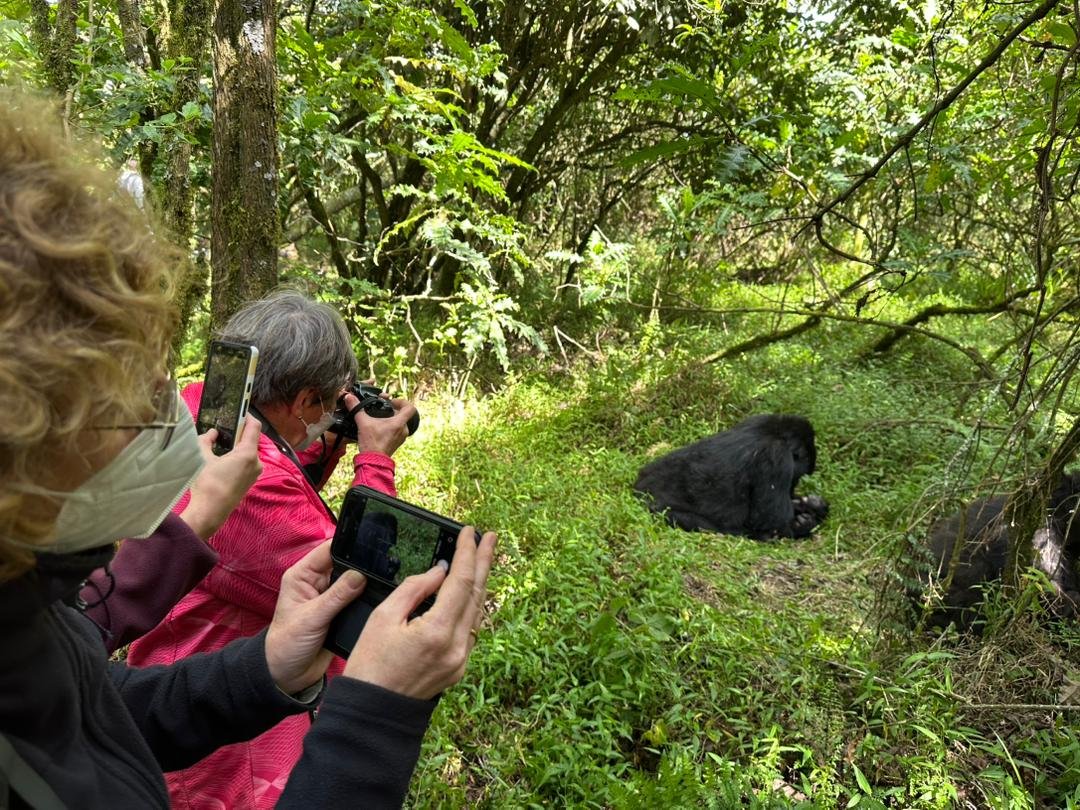
2 Days Uganda Gorilla Tour Starting from Kigali
This is the gentler cousin of our 1-Day Uganda Gorilla Safari Starting from Kigali — same idea, twice the breathing room. Instead of squeezing a 3,000-metre forest trek and two border crossings into a single very long day
Tour Details →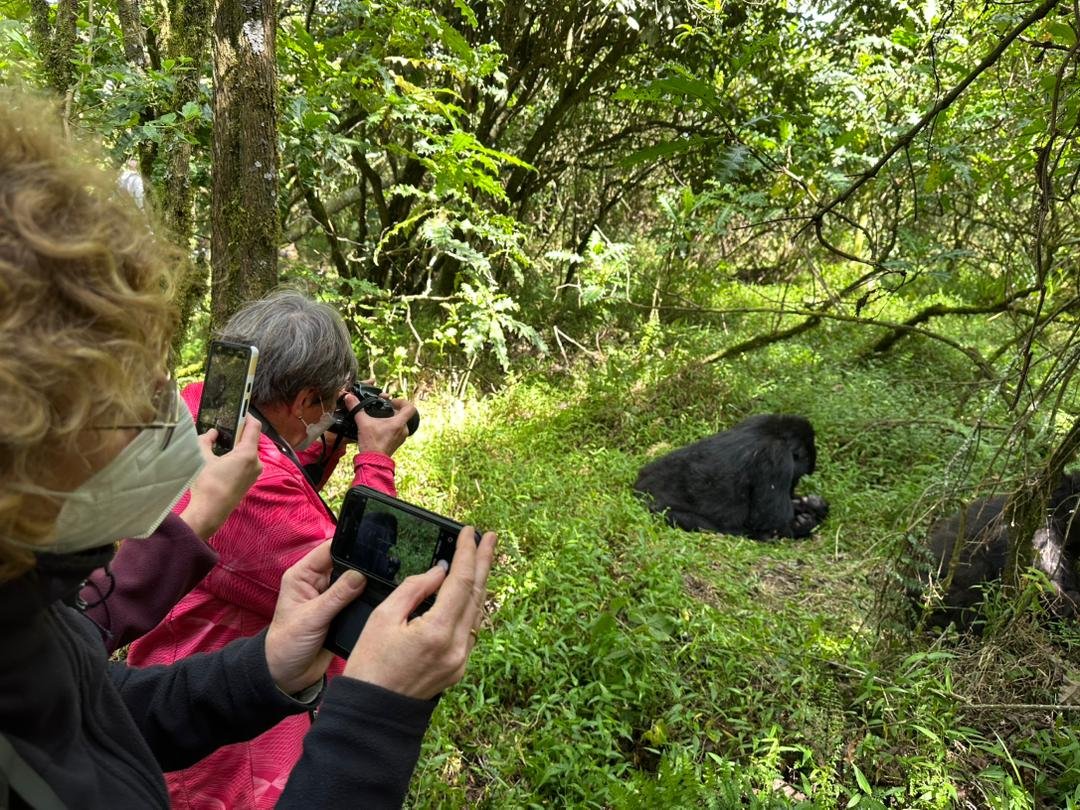
5-Day Uganda Gorilla and Chimpanzee Safari
This itinerary can be combined with a Rwanda extension or a wildlife-focused add-on through Queen Elizabeth National Park — browse our Uganda & Rwanda Safaris and Primate Safaris collections for ideas.
Tour Details →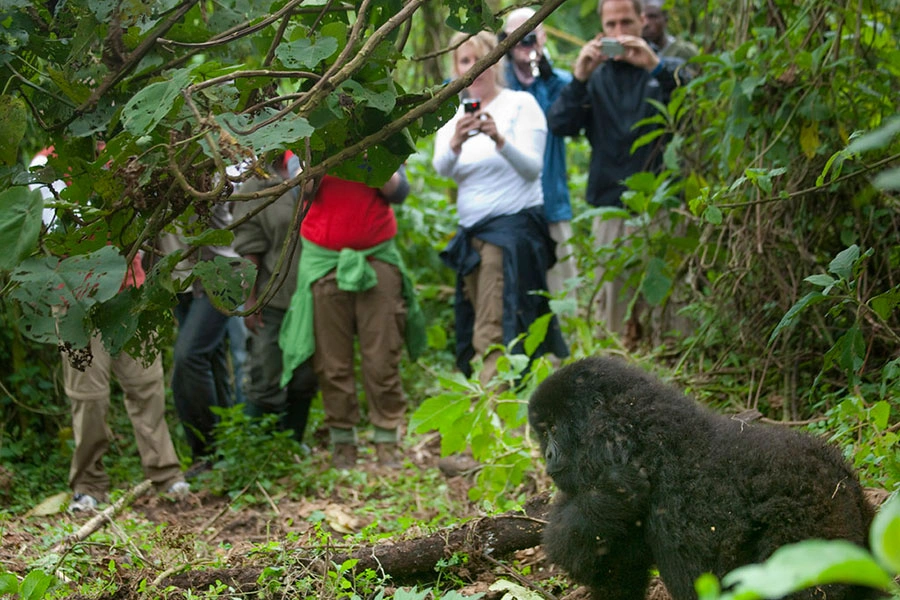
5 Days Rwanda Wildlife and Gorillas
This 5-day itinerary brings together Rwanda’s two flagship wildlife experiences: open savannah game drives and a boat safari in Akagera National Park, followed by a face-to-face encounters
Tour Details →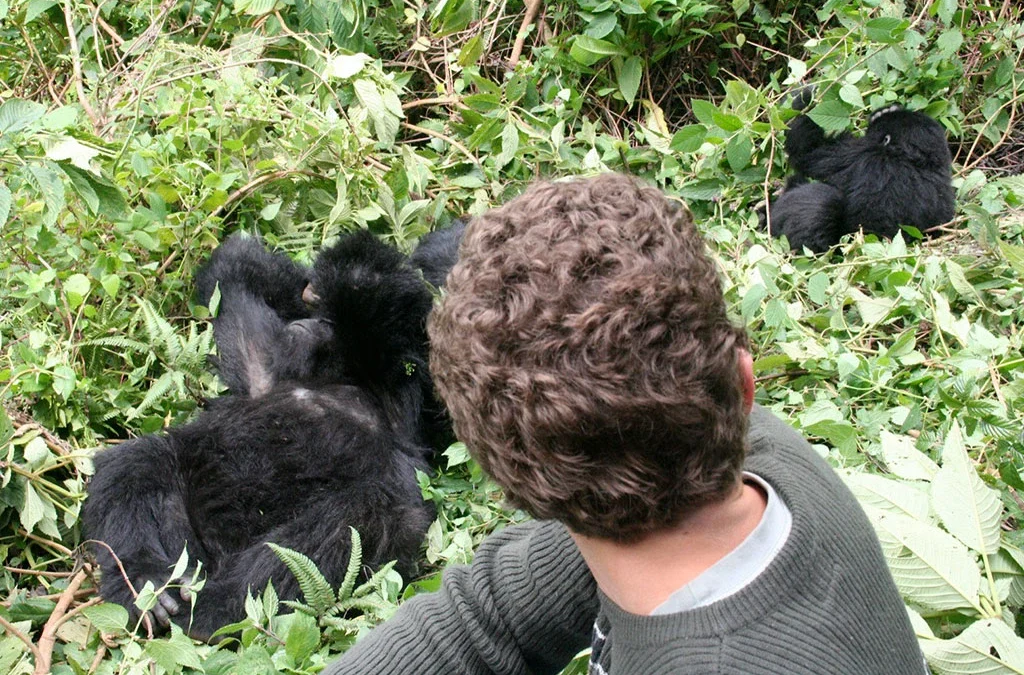
3 Days Uganda Gorilla Safari
For travelers who arrive in Entebbe with a tight schedule and a clear ambition, a 3-day gorilla safari to Bwindi Impenetrable Forest National Park is the most focused and rewarding short trip the country has to offer.
Tour Details →