- LET'S PLAN YOUR SAFARI
- +256 200 921 002
- +256 793 194 703
- info@pickandtransfersafaris.com

1 Day Gorilla Trekking Tour from Kigali to Uganda
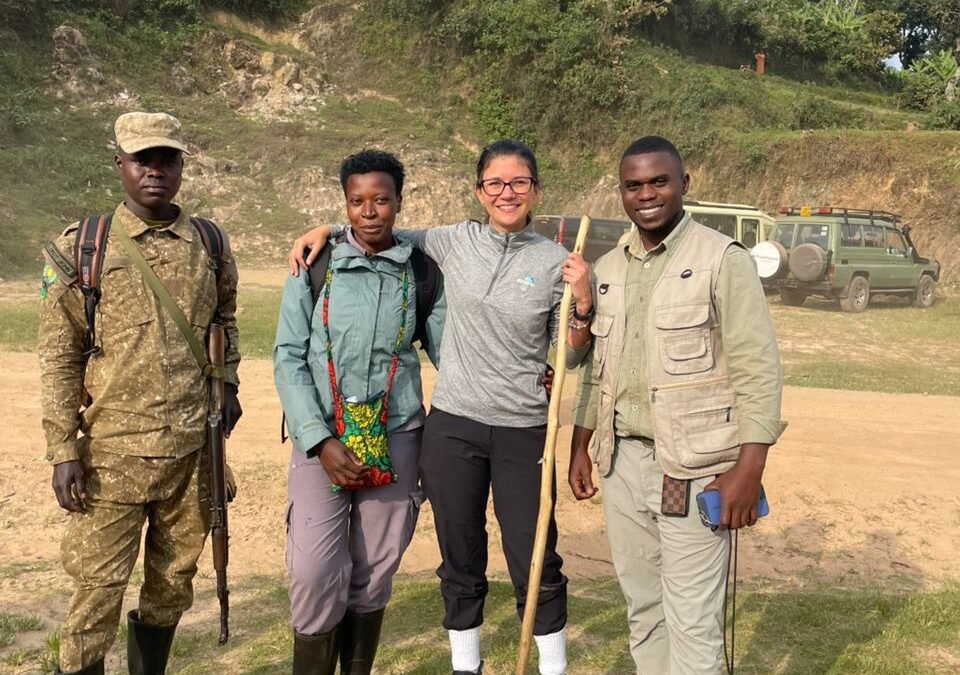
1 Day Gorilla Trekking Tour from Kigali to Uganda. Squeezing a full mountain gorilla encounter into a single day, starting and ending in Kigali, sounds almost too good to be true — and for a long time it was mostly the stuff of ambitious itinerary requests that operators quietly talked travelers out of. It is, however, genuinely possible, provided you understand exactly what an 18-to-20-hour round trip actually involves before you book it. This guide breaks down everything: the real hour-by-hour schedule, honest costs, the Cyanika border crossing, visa and health requirements, which park to choose, and — just as importantly — who this trip is not right for. It draws on the same route our own drivers run regularly between Kigali and Uganda’s southwestern parks, so the timings and costs below reflect what actually happens on the road rather than a theoretical best case. If, after reading, you decide a single day is genuinely your best option, our ready-made one-day Uganda gorilla safari starting from Kigali package covers permits, transport, and border logistics end to end; if a second night turns out to make more sense once you’ve read through the trade-offs, that option is covered here too.
Is a One-Day Gorilla Trek from Kigali to Uganda Really Possible?
Yes, but only under specific conditions. It works because Kigali sits far closer to Uganda’s southwestern gorilla parks than Uganda’s own capital, Kampala, does — roughly 170 to 190 kilometres to Mgahinga or the southern Bwindi sectors, versus 500-plus kilometres from Kampala. That proximity is what makes a same-day round trip feasible at all: depart Kigali before dawn, cross into Uganda at the Cyanika border post, trek, and drive back the same evening. It is not a relaxed day out — most travelers describe it as the single most physically demanding way to see mountain gorillas — but for business travelers, tight stopovers, or anyone who genuinely cannot spare a second night, it delivers the full gorilla encounter without a hotel booking in Uganda. Our detailed breakdown of what it actually takes to trek gorillas and drive back to Kigali in one day goes further into the trade-offs than we can cover in a single section here.
Which Parks Work for a One-Day Trip: Mgahinga vs Rushaga/Nkuringo
Not every gorilla trekking sector is realistic for a same-day trip from Kigali — distance rules most of them out immediately. Only two options sit close enough to the Cyanika border to leave a workable margin: Mgahinga Gorilla National Park, roughly three hours’ drive each way, and Bwindi’s southern sectors — Rushaga and Nkuringo — at roughly four to four-and-a-half hours each way. Bwindi’s northern sectors, Buhoma and Ruhija, add too many hours to be sensible for a single day and should be avoided entirely for this itinerary. Our comparison of Mgahinga versus Bwindi for gorilla trekking and our dedicated page on the best sector for gorilla trekking in Bwindi both expand on how these two options differ beyond just drive time.
Hour-by-Hour Itinerary for a One-Day Gorilla Trek from Kigali
Every operator’s exact timing varies slightly, but a realistic Mgahinga-route schedule looks like this:
| Time | Activity |
|---|---|
| 03:00 – 03:30 | Hotel or airport pickup in Kigali |
| 03:30 – 06:30 | Drive to the Cyanika border, with a packed breakfast en route |
| 06:30 – 07:00 | Cyanika border crossing and immigration formalities |
| 07:00 – 07:30 | Drive to Mgahinga (or continue on to Rushaga/Nkuringo) |
| 07:30 – 08:00 | Park registration and ranger briefing |
| 08:00 – 13:00 | Gorilla trek (30 minutes to several hours) plus the mandatory one-hour observation period |
| 13:00 – 14:00 | Late lunch near the park |
| 14:00 – 18:00 / 19:00 | Return drive to Kigali, crossing back through Cyanika |
Total door-to-door time typically runs 14 to 20 hours depending on how long the gorilla family takes to locate and how smoothly the border crossing goes. Our page on how many hours it takes to drive from Kigali to Bwindi breaks the driving portion down further if you are trying to plan around a same-day flight.
How Much Does a One-Day Gorilla Trek from Kigali Cost?
Budget roughly USD 950 to 1,300 per person all-in, with the gorilla permit making up the largest single line item. A representative breakdown:
- Gorilla permit: USD 700–800 (Uganda Wildlife Authority, non-resident rate)
- Private 4×4 transport with driver-guide, round trip: USD 200–400
- Packed breakfast and lunch: Usually included by the operator
- Porter fee (optional but recommended): USD 15–20
- Border and park entry fees: Modest additional charges, typically bundled into the package price
The honest comparison worth making before you book: a one-day trip saves very little compared to a two-day version with one night’s accommodation, since the permit dominates the cost either way. Our full Kigali to Bwindi gorilla trek cost breakdown lays out both options side by side, and Kenlink Tours’ comparison of travel time and cost from Kigali versus Kampala to Bwindi or Mgahinga is a useful independent reference if you are also weighing a Kampala-based itinerary.
What’s Included and What’s Not
Most one-day packages include the gorilla permit, private round-trip 4×4 transport with an English-speaking driver-guide, fuel, drinking water, and a packed lunch. Typically excluded: Rwanda and Uganda visa fees, travel insurance, tips for guides, rangers, and porters, and any accommodation in Kigali before or after the trip. Always confirm in writing whether your quoted price includes the border crossing service fee some operators charge separately, since this is a common point of confusion on cross-border itineraries. It is also worth asking specifically whether the quote covers a second gorilla trek attempt in the rare event that the permit date falls through due to park closure or a security notice — reputable operators will have a clear rebooking policy rather than leaving you to absorb the cost of a missed permit.
Cyanika Border Crossing: What to Expect
The Cyanika border post connects Rwanda’s Musanze district to Uganda’s Kisoro district and is the standard crossing point for this entire itinerary. It is smaller and quieter than Rwanda’s larger crossings, generally more familiar with tourist traffic, and processing usually takes 20 to 45 minutes provided your paperwork is in order. Keep your passport, visa confirmation, and yellow fever certificate easily accessible rather than packed away, since fumbling for documents is one of the most common causes of delay here. Immigration officers on both sides are generally efficient and used to tourist traffic heading to the parks, but arriving with photocopies of your key documents as a backup, alongside the originals, removes one more variable from an already tightly timed morning. Our guide on whether you can go to Bwindi through the Cyanika border from Kigali and our comparison of Cyanika versus Katuna border crossings both go into more detail, and Kenlink Tours’ visa and border crossing guide for Uganda and Rwanda is a solid independent reference to double-check requirements against.
Visa and Entry Requirements for Uganda from Rwanda
You will need either a single-entry Uganda visa or an East Africa Tourist Visa, which covers Uganda, Rwanda, and Kenya on one application and is generally the more convenient choice for this kind of cross-border day trip — apply online well before travel rather than assuming it can be arranged at the border. Your passport should have at least six months’ validity remaining. Our page on whether you need a visa to cross from Rwanda to Uganda covers the specifics for different nationalities, and Kenlink Tours’ explainer on the East Africa Tourist Visa walks through the application process step by step.
Yellow Fever, Health, and Vaccination Requirements
A yellow fever vaccination certificate is required for entry into Uganda and is checked at the Cyanika border, so carry the physical card rather than a photo of it. Malaria prophylaxis is generally recommended despite the region’s higher elevation, and routine vaccinations such as tetanus, hepatitis A/B, and typhoid are commonly advised for the wider trip. UWA enforces a strict no-trekking-while-unwell policy, particularly around respiratory symptoms, given how genetically close gorillas are to humans and how easily illness can transfer — if you are feeling unwell on trekking morning, tell your guide rather than pushing through it.
Gorilla Permits: Booking Timeline and Availability
Book your gorilla permit two to three months ahead for standard dates, and four to six months ahead for peak season (June–September and December–February). Mgahinga has only one habituated family, the Nyakagyezi group, which makes its limited daily permits especially competitive; Rushaga and Nkuringo generally offer better last-minute availability since Bwindi has multiple habituated families across its sectors. If you are booking on short notice, our page on a last-minute gorilla trek from Kigali explains realistic timelines for securing a permit closer to your travel dates.
The Honest Pros and Cons of a One-Day Trek
On the plus side: no Uganda hotel booking needed, it fits neatly into a tight business schedule or a long layover, you get the full gorilla encounter in a single calendar day, and the cost difference against a two-day trip is minimal. On the downside, this is genuinely the most physically demanding way to trek gorillas from Kigali — an 18-to-20-hour day combining a pre-dawn departure, hours of driving each way, and a strenuous hike, with almost no buffer if the border is slow or the gorilla family has moved far from the trailhead. It is not a good fit for anyone prone to motion sickness, needing an early flight the next morning, or traveling with young children or anyone with mobility concerns.
Who Should (and Shouldn’t) Attempt a One-Day Trek
This itinerary suits travelers who genuinely cannot spare a second night — a business trip with one free day, a long layover in the region, or a tightly fixed return flight. It is a poor fit for honeymooners, families with young children, older travelers, or anyone who would rather savor the experience than rush it. If you have any flexibility at all, a two-day version delivers an identical gorilla encounter with dramatically less physical strain for a modest additional cost. Our page on whether you can do a gorilla trek in one day from Rwanda covers this decision in more depth, and if you are a solo traveler weighing the physical demands, it is worth also reading our notes on the minimum age for gorilla trekking, since fitness and stamina considerations matter as much as age here.
Physical Fitness and Preparing Your Body for the Hike
The gorilla trek itself can range from a gentle 30-minute walk to a strenuous four-to-five-hour hike over steep, sometimes muddy volcanic terrain, and on a one-day itinerary you are attempting this after several hours of pre-dawn driving rather than a rested morning. A few weeks of regular walking or light cardio before your trip makes a genuine difference, as does breaking in your hiking boots well before travel day — new boots on a demanding hike is one of the most avoidable causes of a miserable day. Hiring a porter is worth doing regardless of fitness level: beyond the community benefit, they physically assist on the steeper or slippery sections, which matters more on this itinerary than a leisurely multi-day trek where you can simply go slower.
What to Expect During the Actual Gorilla Encounter
All the logistics in this guide exist to deliver one hour, and it is worth knowing what that hour actually looks like. Once rangers and trackers locate the Nyakagyezi family or your assigned Rushaga/Nkuringo group, you leave your bags with the porters and approach quietly in single file behind your guide. Mountain gorillas are generally unbothered by respectful human presence at the required distance, and it is common to watch juveniles play, adults feed on vegetation, or a silverback rest within clear view for the full hour. Rangers time the visit strictly and will move the group back if a gorilla approaches too closely of its own accord, which happens more often than most first-time trekkers expect. However rushed the rest of the day feels, guides deliberately let this hour move at its own pace.
What to Pack for a One-Day Gorilla Trekking Day Trip
Because there is no lodge to change or dry out at, packing right matters even more on a one-day trip than on a multi-day safari. Bring one daypack only — everything else stays in the vehicle — with sturdy waterproof hiking boots, gardening gloves, a proper rain jacket regardless of season, long trousers, a hat, sunscreen, insect repellent, and cash in US dollars for tips. Our full gorilla tours packing list for Mgahinga trekking covers the complete checklist, including camera gear considerations for a day that starts in pre-dawn darkness and ends after sunset.
Best Time of Year for a One-Day Gorilla Trek
Attempt this itinerary during the dry seasons — June to September or December to February — when roads are firmer and the schedule has more realistic margins. Wet season conditions on the unpaved final stretch into Rushaga or Nkuringo can add 30 to 45 minutes each way and meaningfully increase the physical demands of the day; if your travel dates fall in March–May or October–November, seriously consider the two-day version instead, or stick to the Mgahinga route, which has a shorter unpaved section.
Mgahinga Route: Why It’s the Fastest One-Day Option
At roughly three hours’ drive each way from Kigali, Mgahinga offers the largest schedule buffer of any one-day gorilla trekking option and is generally the safer choice for travelers with a fixed same-day return. Its trade-off is permit scarcity — with only the Nyakagyezi family habituated, availability can be tight in peak months, so booking early matters even more here than at Bwindi. For full context on the park itself, see our Mgahinga Gorilla National Park destination page, and if you decide to add an overnight rather than rush back, our page on private transfers from Kigali to Mgahinga covers that transport option too.
Rushaga and Nkuringo Route: More Permit Choice, Longer Drive
Bwindi’s southern sectors trade a longer drive — four to four-and-a-half hours each way — for meaningfully better permit availability, since Bwindi hosts multiple habituated families across Rushaga and Nkuringo rather than Mgahinga’s single group. This route also uses a longer unpaved final stretch, which is worth factoring in if your trip falls outside the dry season. Our pages on the Kigali to Rushaga gorilla trek and traveling from Kigali to Rushaga for gorilla trekking cover this route in detail, and Kenlink Tours’ notes on which part of Bwindi is easiest for gorilla trekking are a useful independent cross-check.
Group Size and Trekking Etiquette on the Day
Uganda Wildlife Authority limits each gorilla trekking group to a maximum of eight visitors per habituated family, per day, which keeps the experience intimate even on a rushed one-day itinerary. Standard etiquette applies regardless of how tight your schedule is: keep at least seven metres from the gorillas at all times, speak in a low voice, avoid direct eye contact with a silverback, and never eat, drink, or point directly at the group during your hour with them. Because this itinerary leaves little room to linger afterward, it helps to agree with your guide beforehand on a realistic photography plan — a handful of considered shots rather than constant shooting — so you leave the forest with images you are happy with rather than a blur of rushed frames. Kenlink Tours’ overview of gorilla trekking rules and regulations in Uganda is worth reading in full before your trek, since rangers do enforce these rules strictly.
What Happens If the Gorilla Trek Runs Long?
Gorilla families move daily, and trackers do not always know exactly where they are until rangers locate them that morning — some treks wrap up in under an hour of walking, others run four to five hours before you even reach the group. On a one-day itinerary, a long trek pushes your return drive later and, in the worst case, means arriving back in Kigali well after dark. This is precisely why booking an evening flight on the same day as your trek is strongly discouraged — build in at least one buffer night in Kigali after the trek if your onward travel allows it.
Kigali vs Kampala: Why Kigali Is the Better Base for a One-Day Trip
A same-day gorilla trek is realistic from Kigali specifically because of geography — from Kampala, the same trip would mean 16 to 20 hours of driving alone before accounting for the trek itself, which is simply not workable in a single day. Our comparison of Kigali versus Entebbe for gorilla trekking lays out why so many international travelers now route through Kigali specifically for southern Bwindi and Mgahinga, and Kenlink Tours’ piece on landing in Kigali or Entebbe for a gorilla safari offers an independent take on the same decision.
Common Mistakes Travelers Make on a One-Day Trek
The single biggest mistake is booking an evening flight out of Kigali on the same day as the trek — the schedule has almost no buffer, and a gorilla family that takes longer than expected to locate can easily push your return two or three hours later than planned. Close behind is underestimating the physical toll: travelers who arrive in Kigali the same morning as their pickup, having just stepped off a long-haul flight, often find the pre-dawn departure far harder than they expected. Packing too much is another common issue — daypacks that won’t fit comfortably for a strenuous hike slow the group down and add unnecessary strain. Finally, some travelers skip travel insurance specifically covering trekking and permit cancellation, which matters more on a tightly timed one-day itinerary than on almost any other kind of safari, since there is no spare day to rebook a missed trek.
Weather Contingencies and What Travel Insurance Should Cover
Rain can fall at any time of year in this part of the Virunga region, even in the official dry seasons, and a downpour on the unpaved final stretch into Rushaga or Nkuringo can add real delay to an already tight schedule. Because a one-day itinerary has so little slack, it is worth confirming your travel insurance specifically covers trekking activities, emergency evacuation, and — ideally — permit cancellation or rescheduling, since a missed one-day slot cannot simply be pushed to the next morning the way a multi-day trip allows. Pack a proper rain jacket regardless of the season, and consider building a half-day buffer into your Kigali schedule either side of the trek if your travel dates allow it, even if the trek itself is planned as a single day.
Do You Need to Spend a Night in Kigali Before the Trek?
Strongly recommended, even if your overall trip is built around a single trekking day. Arriving in Kigali the evening before, rather than flying in and heading straight to a 3 a.m. pickup, gives you a real night’s sleep before an extremely long day and meaningfully reduces the risk of missing your pickup due to flight delays. Many travelers combine this with a short Kigali city tour the evening before departure, which our team can build into your itinerary alongside the trek itself.
Can You Start a One-Day Trek from Entebbe or Kampala Instead?
In short, no — not realistically. From Kampala, reaching either Mgahinga or southern Bwindi means 8 to 10 hours of driving each way even before the trek itself, which makes a genuine same-day round trip physically impossible within a normal day. This is precisely why Kigali has become the standard base for this specific itinerary: its 170-to-190-kilometre proximity to the parks is the one factor that makes a one-day round trip workable at all. Travelers landing at Entebbe who want to attempt a compressed gorilla trip are generally better served by a two-day itinerary with one night near the park, rather than trying to force a one-day schedule that the geography simply does not support from Uganda’s own capital.
Private vs Shared Transport for a One-Day Gorilla Trek
Private 4×4 transport is strongly preferable to shared transport for this specific itinerary — the schedule is tight enough that waiting on other travelers, or a shared vehicle taking a different route back, can meaningfully affect your return time. A private vehicle also means the driver can adjust departure time, breakfast stops, and the return route based on how your specific trekking day unfolds. Our private gorilla trek from Kigali package is built specifically around this need for flexibility, and Kenlink Tours’ overview of transfers from Kigali to Uganda and their list of companies that do transfers from Rwanda to Bwindi are useful if you want to compare operators independently.
Combining a One-Day Trek with a Kigali City Tour
If your flight timing gives you even half a day in Kigali before or after the trek, it is well worth using it. A short city tour — the Kigali Genocide Memorial, the vibrant Kimironko Market, or a coffee tasting at one of the city’s well-regarded roasteries — makes far better use of an overnight stay than sitting in a hotel room resting. Many travelers arrange this for the evening after the trek, once the adrenaline of the day has settled but before an onward flight, turning what could be a rushed single day into a fuller two-day Kigali-and-gorillas experience without adding a Uganda hotel booking. Our team can build this into your itinerary alongside the trek itself if you let us know your available time in Kigali when you book.
Environmental and Community Impact of Your Permit Fee
It is worth knowing where your USD 800 goes: gorilla permit revenue directly funds Uganda Wildlife Authority ranger patrols, veterinary monitoring of habituated families, and community revenue-sharing programs in the districts bordering the park. This is part of why permit numbers are deliberately capped rather than expanded to meet demand — the entire conservation model depends on keeping visitor pressure on each gorilla family low. Choosing to hire a porter, even on a rushed one-day itinerary, extends that same community benefit directly to individuals living around the park rather than only to the wildlife authority, and costs a small fraction of the overall trip.
Tipping, Cash, and Practical Money Tips
Carry cash in US dollars for the day — card payment options are unreliable at the park and nonexistent with rangers and porters. Budget USD 15–20 for a porter (worth hiring regardless of your fitness level, since the fee supports the local community directly), and a further discretionary tip for your guide and driver at the end of the day. Bills should be reasonably new and undamaged, since older or torn notes are sometimes refused in the region. It is worth withdrawing or exchanging this cash in Kigali before departure, since ATM access disappears almost entirely once you cross the border into the rural stretch between Cyanika and the park.
Why Not Just Trek in Rwanda Instead, Since You’re Already in Kigali?
It is a fair question, since Rwanda’s own Volcanoes National Park sits closer still to Kigali — often under two hours’ drive, with no border crossing required at all. The trade-off is cost: a Rwanda gorilla permit runs USD 1,500, nearly double Uganda’s USD 800 rate, which is why many travelers specifically choose to cross into Uganda for a one-day Mgahinga or Rushaga trek even with the added border-crossing time. If budget is the deciding factor, Uganda’s side wins clearly; if minimizing travel time matters more than cost, Rwanda deserves a look too. Our detailed comparison of Uganda gorilla trekking versus Rwanda gorilla trekking walks through this trade-off in full, covering permit cost, trail difficulty, and lodge options on both sides of the border.
One-Day Trek vs Two-Day Trek: Which Should You Choose?
If your schedule has any flexibility at all, a two-day trip — crossing into Uganda the afternoon before, sleeping near the park, and trekking fresh the next morning — delivers an identical gorilla encounter for only a modest additional cost, without the 3 a.m. departure or the risk of a very late return. Our 2-day Uganda gorilla tour starting from Kigali is the natural next option to compare against this one-day itinerary, and Kenlink Tours’ guide on how many days you need to visit Uganda and Rwanda is a helpful independent gut-check if you are still deciding between the two.
What Experienced Guides Wish First-Timers Knew
Driver-guides who run this route regularly tend to flag the same handful of things to first-time travelers. First, the day feels front-loaded with waiting — the pre-dawn drive and border formalities can feel slower than expected, and it helps to mentally treat the trek itself, not the journey, as the main event. Second, cabin comfort matters more than travelers expect on an 18-hour day; a neck pillow and layered clothing for the temperature swing between a cool pre-dawn departure and a warm midday trek make a noticeable difference. Third, guides consistently recommend confirming your exact pickup point and time the night before rather than the morning of, since Kigali hotel logistics at 3 a.m. can be a common source of the day’s very first delay. None of these are dealbreakers, but knowing them in advance is part of what separates a smooth one-day trip from a stressful one.
How to Book a One-Day Gorilla Trekking Tour from Kigali
Book your gorilla permit first, then confirm your private transport and border-crossing arrangements around that exact date — permits are the scarce resource here, not vehicles. Working with an operator who handles both the Rwanda-side pickup and the Uganda-side park registration removes most of the coordination risk that makes this itinerary stressful to arrange independently. Our one-day Uganda gorilla safari starting from Kigali package bundles permit booking, private 4×4 transport, border assistance, and meals into a single price — reach out through our contact page with your preferred dates and we will confirm permit availability before you commit. You can also browse our wider gorilla safari packages if a two-day or longer option ends up being the better fit. Independent travelers researching this route further may also find Kenlink Tours’ practical notes on saving money starting a Uganda trip from Rwanda useful for comparing operator quotes.
Frequently Asked Questions About the One-Day Gorilla Trek from Kigali
Can I really see gorillas in one day starting from Kigali?
Yes — Mgahinga and Bwindi’s southern sectors (Rushaga and Nkuringo) are close enough to the Cyanika border to make a same-day round trip realistic, typically 14 to 20 hours door-to-door.
How much does a one-day gorilla trek from Kigali cost?
Expect roughly USD 950 to 1,300 per person, with the gorilla permit (USD 700–800) making up most of that cost.
Is a one-day gorilla trek from Kigali safe and comfortable?
It is safe when arranged through an experienced operator, but it is physically demanding — an 18-to-20-hour day with a pre-dawn start and minimal buffer for delays. A two-day trip is more comfortable if your schedule allows it.
Which is better for a one-day trip: Mgahinga or Rushaga?
Mgahinga has the shortest drive and the largest schedule buffer but only one habituated gorilla family, so permits can be tighter. Rushaga and Nkuringo offer better permit availability but add roughly an hour of driving each way.
Do I need a visa to cross from Rwanda into Uganda for this trip?
Yes — either a single-entry Uganda visa or an East Africa Tourist Visa, arranged online in advance, along with a valid yellow fever vaccination certificate.
How early do I need to book a gorilla permit for a one-day trek?
Two to three months ahead for standard dates, and four to six months ahead for the June–September and December–February peak seasons, especially for Mgahinga’s single habituated family.
Can I fly out of Kigali the same evening after the trek?
It is strongly discouraged. The schedule has little buffer, and a longer-than-expected trek or a slow border crossing can push your return two to three hours later than planned, risking a missed flight.
Is the one-day trek suitable for older travelers or families with children?
Generally not recommended. The combination of an 18-to-20-hour day, a pre-dawn start, and a potentially strenuous hike suits fit, flexible travelers far better than families with young children or those with limited mobility.
1 Day Gorilla Trekking Tour from Kigali to Uganda
A one-day gorilla trekking tour from Kigali to Uganda is a genuine, well-trodden option for travelers with a hard time constraint — not a shortcut or a compromise on the actual gorilla encounter itself, which is identical to what a two-day visitor experiences. What it demands in return is realistic planning: an early booking for your permit, a private vehicle rather than a shared one, a night’s rest in Kigali beforehand, and an honest acceptance that this will be a long, tiring, unforgettable day rather than a relaxed one. If that trade-off works for your schedule, it is one of the most efficient wildlife experiences available anywhere in Africa; if it doesn’t, the two-day version is waiting with the same gorillas and considerably less strain.
Most travelers who ask us about this itinerary are weighing it against a business trip, a long layover, or a fixed return flight rather than choosing it as their ideal way to trek — and that is exactly the right way to approach it. Treat the one-day option as a solution to a real scheduling constraint, plan around its genuine physical demands rather than downplaying them, and book your permit and transport with an operator who runs this specific Kigali-to-Uganda route regularly rather than occasionally. Done that way, it delivers precisely what it promises: a full, unhurried hour with mountain gorillas, bookended by a very long but entirely manageable day on the road. Our team at Pick and Transfer Safaris can confirm permit availability and build the itinerary around whichever option — one day or two — ends up being the right fit for your trip.
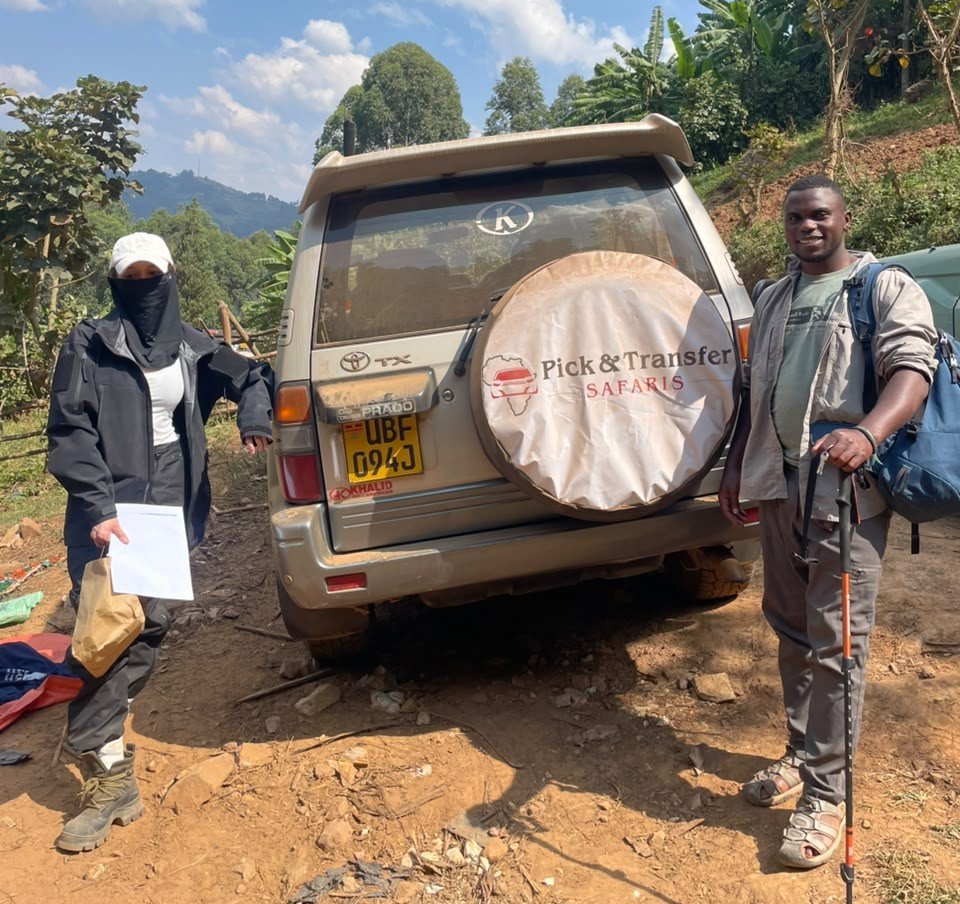
7 Days Uganda Safari – One week tour
This 7-day itinerary is the classic one-week introduction to Uganda, covering the country’s three most iconic wildlife experiences: chimpanzee tracking in Kibale Forest National Park, Big Five game drives and a boat cruise in Queen
Tour Details →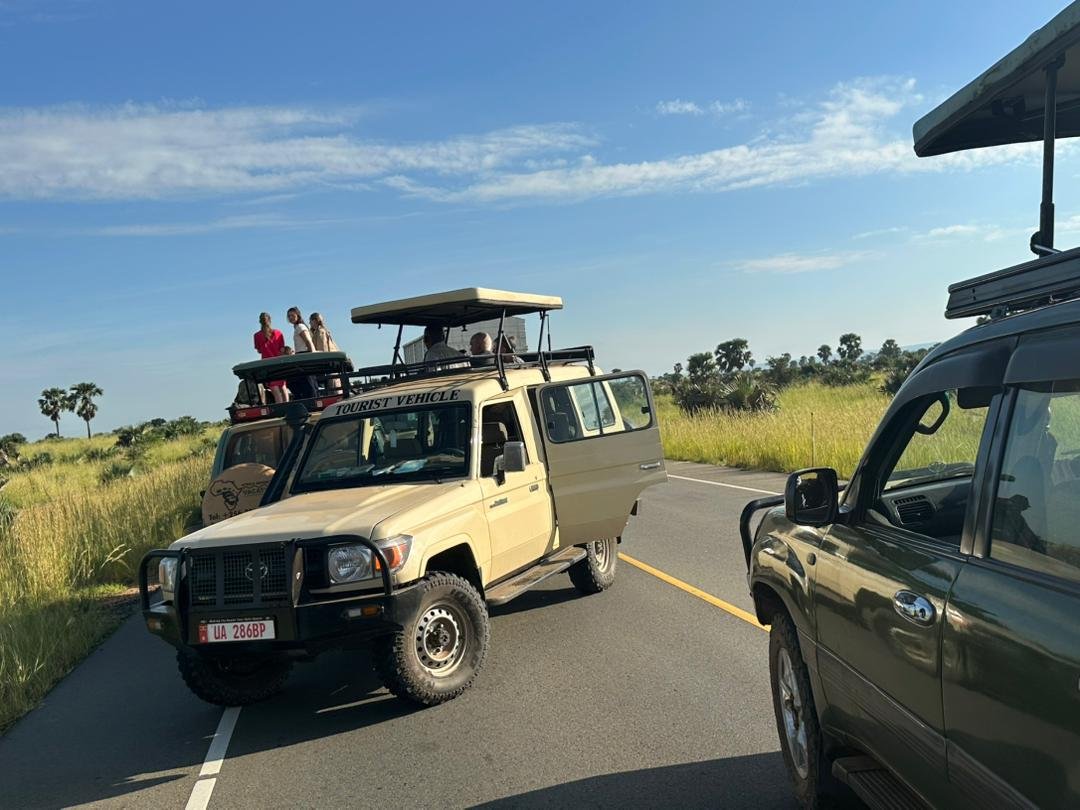
10 Days Uganda Primates and Wildlife
This 10-day Uganda Grand Safari is the most complete Uganda itinerary we offer at Pick and Transfer Safaris. It begins with a scenic northward drive from Entebbe to the vast open plains of Murchison
Tour Details →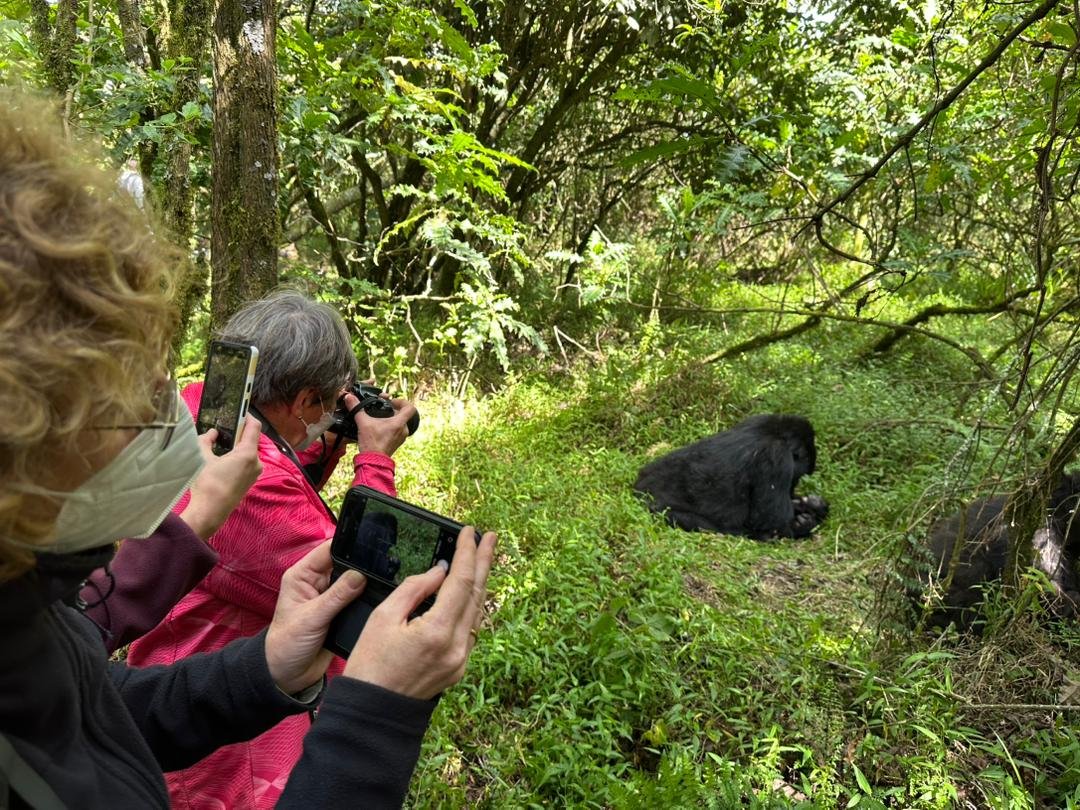
2 Days Uganda Gorilla Tour Starting from Kigali
This is the gentler cousin of our 1-Day Uganda Gorilla Safari Starting from Kigali — same idea, twice the breathing room. Instead of squeezing a 3,000-metre forest trek and two border crossings into a single very long day
Tour Details →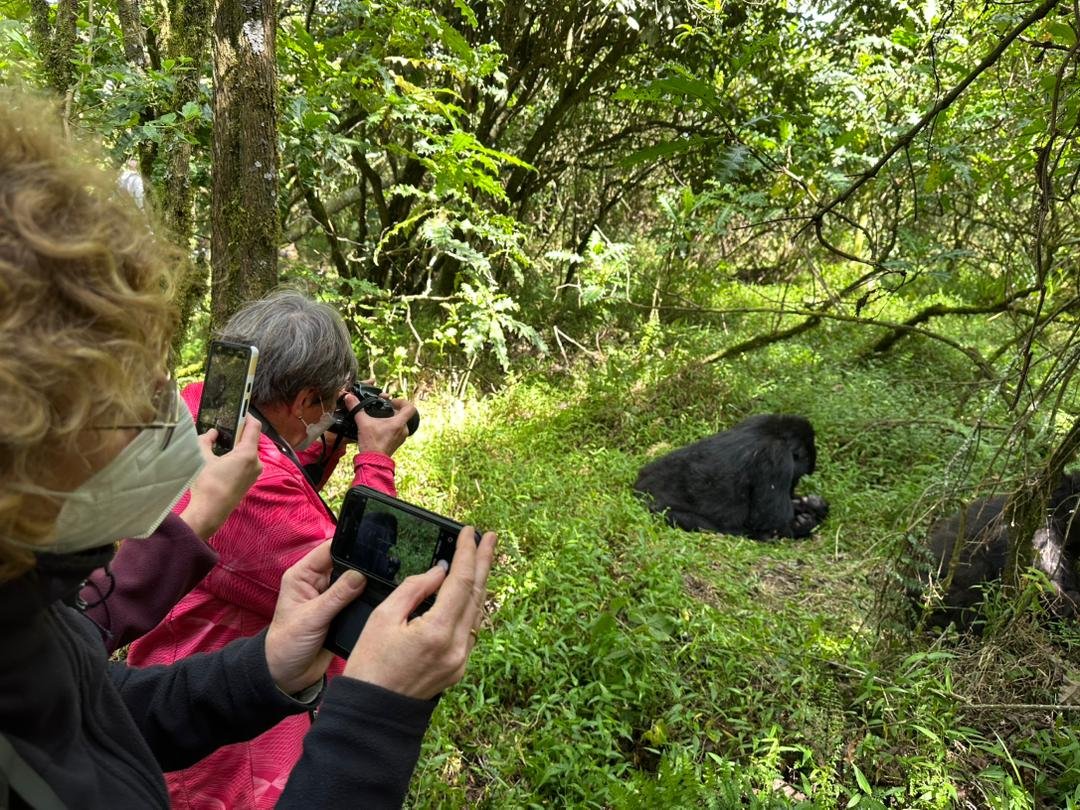
5-Day Uganda Gorilla and Chimpanzee Safari
This itinerary can be combined with a Rwanda extension or a wildlife-focused add-on through Queen Elizabeth National Park — browse our Uganda & Rwanda Safaris and Primate Safaris collections for ideas.
Tour Details →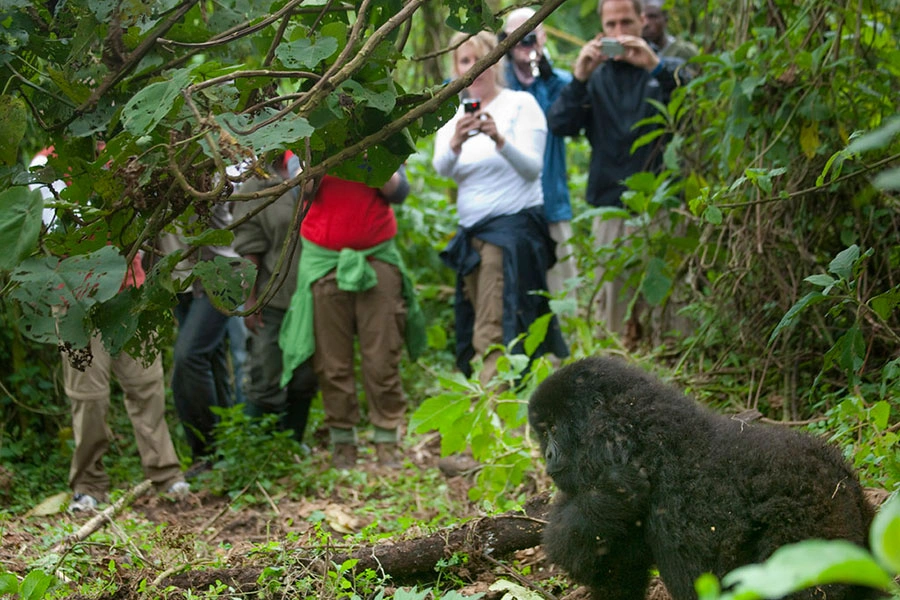
5 Days Rwanda Wildlife and Gorillas
This 5-day itinerary brings together Rwanda’s two flagship wildlife experiences: open savannah game drives and a boat safari in Akagera National Park, followed by a face-to-face encounters
Tour Details →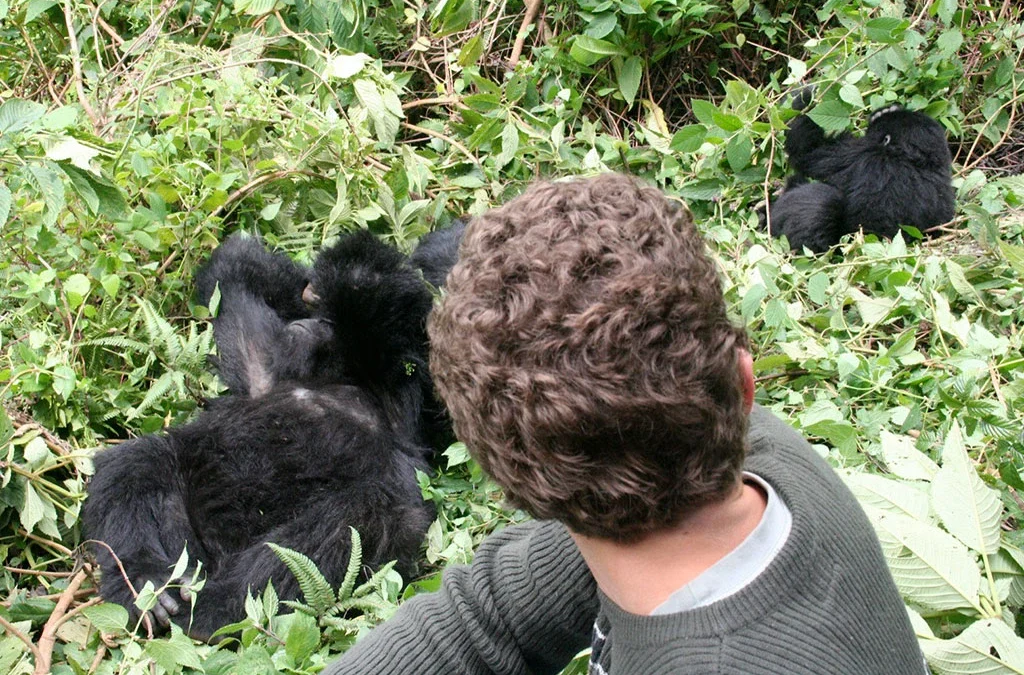
3 Days Uganda Gorilla Safari
For travelers who arrive in Entebbe with a tight schedule and a clear ambition, a 3-day gorilla safari to Bwindi Impenetrable Forest National Park is the most focused and rewarding short trip the country has to offer.
Tour Details →