- LET'S PLAN YOUR SAFARI
- +256 200 921 002
- +256 793 194 703
- info@pickandtransfersafaris.com

2 Day Gorilla Trekking from Kigali to Mgahinga
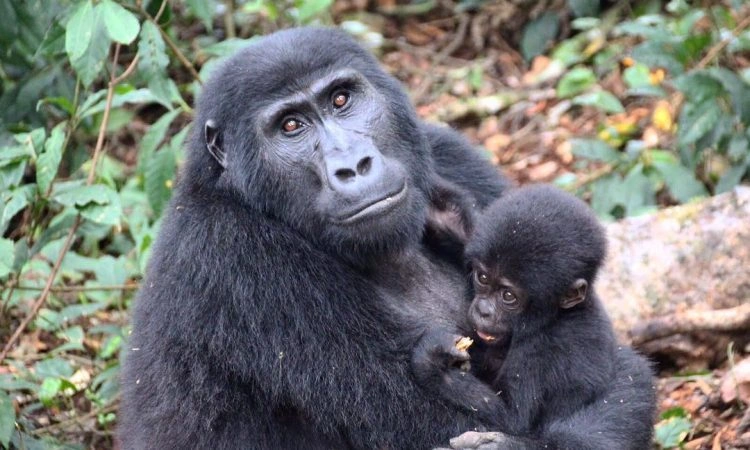
2 Day Gorilla Trekking from Kigali to Mgahinga. Adding a single overnight to a Mgahinga gorilla trek transforms what would otherwise be an 18-to-20-hour marathon into a genuinely relaxed two-day trip — the same permit, the same habituated gorilla family, the same one-hour encounter, but with real rest built in on both sides of the trek itself. This guide covers the full two-day itinerary from Kigali to Mgahinga Gorilla National Park: the day-by-day schedule, realistic costs, where to stay overnight, the Cyanika border crossing, and how this format compares to squeezing the same trip into a single day. If a single day genuinely is your only option, our 1-day gorilla trekking tour from Kigali to Uganda covers that version in full; if you’re still deciding which format suits you, our direct answer on whether you can do gorilla trekking in Uganda in one day from Kigali lays out that trade-off clearly.
Why Choose Mgahinga Specifically for a Two-Day Trip
Mgahinga Gorilla National Park sits closest to the Cyanika border of any Uganda gorilla park reachable from Kigali, which already makes it the fastest option even for a one-day trip. Stretched to two days, that proximity turns into extra flexibility rather than just extra buffer — a later Day 1 departure, more time to enjoy the park’s setting in the Virunga volcanoes, and a properly rested start to the trek itself on Day 2. Its main trade-off, a single habituated gorilla family with limited permit slots, matters less on a two-day trip since you have more scheduling flexibility to work around permit availability than a one-day itinerary allows. The park’s volcanic scenery is also simply worth the extra time in its own right, independent of the gorilla trek — a detail the one-day format leaves almost no room to appreciate.
Two-Day Itinerary Overview
Day 1: depart Kigali mid-morning, cross into Uganda at Cyanika, arrive at your Mgahinga-area accommodation by early-to-mid afternoon, with time to rest, explore the local area, or simply recover from the drive. Day 2: an early but reasonable start for the trek itself, the one-hour gorilla encounter, lunch, and the drive back to Kigali, arriving in the early evening with plenty of daylight and buffer to spare.
Day 1 in Detail
| Time | Activity |
|---|---|
| 8:00–9:00 AM | Pickup from your Kigali hotel |
| 9:00 AM–12:00 PM | Drive to the Cyanika border and cross into Uganda |
| 12:00–1:00 PM | Drive to Mgahinga-area accommodation |
| 1:00–2:00 PM | Lunch and check-in |
| Afternoon | Rest, optional short walk, or a visit to nearby Kisoro town |
| Evening | Dinner and an early night ahead of the trek |
Day 2 in Detail
| Time | Activity |
|---|---|
| 6:00 AM | Early breakfast |
| 7:00–7:30 AM | Drive to Mgahinga park headquarters |
| 7:30–8:00 AM | Briefing and permit verification |
| 8:00 AM–1:00 PM | Gorilla trek and one-hour encounter |
| 1:00–2:00 PM | Lunch near the park |
| 2:00–5:00 PM | Drive back across the border to Kigali |
| 5:00–6:00 PM | Arrival back at your Kigali hotel |
How This Compares to the One-Day Version
The one-day version compresses this same schedule into a single 18-to-20-hour day with a 3:00 AM departure and almost no buffer for a long trek or a slow border crossing. The two-day version removes nearly all of that pressure for a modest additional cost — mainly one night’s accommodation — while keeping the trek itself, the permit, and the gorilla encounter completely identical. Our 1-Day Uganda Gorilla Trekking Tour from Kigali page walks through that compressed version in full if you want a direct side-by-side comparison.
Cost Breakdown for the Two-Day Trip
| Item | Approximate Cost (USD, per person) |
|---|---|
| Gorilla permit | 700–800 |
| Private transport and driver-guide (2 days) | 200–350 |
| One night’s accommodation near Mgahinga | 80–250, depending on category |
| Meals (2 days) | 40–70 |
| Tips | 30–60 |
| Total | 1,050–1,530 |
How Much More Does the Extra Day Actually Cost?
Compared to the one-day version’s roughly USD 950–1,300 total, the two-day trip typically adds USD 100–250, driven almost entirely by one night’s accommodation, since permit cost and private transport rise only modestly for the extra half-day of driving. For many travelers, that’s a small premium for a meaningfully less exhausting trip, and it’s worth pricing both formats side by side using actual itemized quotes rather than relying on a rough mental estimate of the gap. Our detailed look at how much a 1-day gorilla trekking tour from Kigali costs gives the full one-day breakdown for direct comparison.
Where to Stay Overnight Near Mgahinga
Accommodation near Mgahinga ranges from simple guesthouses in Kisoro town to lodges closer to the park gate itself, with price and comfort scaling accordingly. Our guide to hotels for gorilla trekking in Mgahinga National Park covers specific properties across that range. Kenlink Tours’ separate list of the best hotels in Kisoro is a useful additional reference if you’d rather base yourself in town.
Permits: Booking Timeline and Availability
Because Mgahinga has only one habituated gorilla family, book two to three months ahead for standard dates and four to six months ahead for the June–September and December–February peak seasons. The two-day format gives you slightly more flexibility here than the one-day version, since a small shift in trek date doesn’t force a matching shift in an already-tight single-day schedule. Kenlink Tours’ list of available gorilla tours for booking in Uganda is a useful real-time check on permit pressure.
Crossing the Cyanika Border on a Two-Day Trip
The Cyanika border crossing typically takes 20–40 minutes to clear both sides, and on a two-day itinerary this is a far less stressful part of the day than it is on the one-day version, since a longer-than-usual queue simply eats into afternoon rest time rather than threatening the entire day’s schedule. Kenlink Tours’ visa and border crossing guide for Uganda and Rwanda covers the documentation requirements in detail.
Visa Requirements
A single-entry Uganda visa or an East Africa Tourist Visa (covering Rwanda, Uganda, and Kenya) is required, and both should be arranged online before travel. The East Africa Tourist Visa is usually the more efficient choice if your broader trip includes more of the region beyond this specific trek.
Yellow Fever and Health Requirements
A valid yellow fever vaccination certificate is required for entry into Uganda and is checked at the border. No other vaccination is mandated, though standard travel health precautions, including malaria prophylaxis, are worth arranging ahead of the trip.
What the Trek Itself Involves
The trek is identical whether you’re doing the one-day or two-day version — a ranger-led hike through Mgahinga’s forest and bamboo zones, which can take anywhere from two to six hours round trip depending on where the habituated family has moved. Once found, you get a strictly enforced one-hour visit under the same rules applied across every gorilla park in the region.
Physical Fitness for the Trek
Mgahinga’s terrain includes some steep sections and altitude around 2,200–2,600 metres, which can be tiring even for generally fit travelers. The two-day format’s advantage here is real: arriving rested rather than after an all-night drive noticeably changes how manageable the trek feels, regardless of your baseline fitness level. Porters are available at the trailhead for travelers who want extra support, and hiring one is worth considering regardless of fitness level, both for the practical help and because it’s a direct source of income for the surrounding community.
What to Pack
Sturdy waterproof hiking boots, a rain jacket, gardening-style gloves, a hat, sunscreen, insect repellent, at least a litre of water, and small-denomination US dollars for tips. Since you’re overnighting, you can also pack slightly more comfortably than on a strict one-day trip, including a change of clothes for the evening.
Best Time of Year for This Trip
The June–September and December–February dry seasons offer firmer trails and generally faster treks. The two-day format handles the wetter shoulder months (March–May, October–November) noticeably better than the one-day version, since a slower, muddier trek simply extends Day 2 rather than threatening a same-day return to Kigali, giving nervous first-time trekkers one less thing to worry about when booking outside peak season.
Group Size Considerations
A private two-day itinerary works well for solo travelers through small groups of four to six, with per-person transport and accommodation cost dropping as the group grows, while permit cost stays fixed per person. Larger groups should confirm accommodation room availability alongside permit availability well ahead of travel, since a single Mgahinga-area property may have limited rooms during peak season even when the gorilla permit itself is still available.
Combining Day 1 with a Stop in Kisoro Town
Because Day 1’s drive ends by early-to-mid afternoon, there’s genuine time to explore Kisoro town — a small but lively border town with a distinct character from either Kigali or the park itself. It’s a low-key but worthwhile addition that the one-day format simply has no room for.
Combining This Trip with a Kigali City Tour
Since the trip starts and ends in Kigali, adding a day before or after for a Kigali city tour — the Genocide Memorial, Kimironko Market, Nyamirambo neighborhood — pairs naturally with this itinerary without disrupting the trek schedule itself, unlike on a tightly timed one-day trip.
Private vs Shared Transport for a Two-Day Trip
Private transport remains the better choice even on the more relaxed two-day format, since it lets you set your own pace on Day 1’s drive and adjust Day 2’s return timing around how the trek actually goes. Shared transport can work reasonably well here given the reduced time pressure, but still ties your schedule to other passengers’ preferences throughout both days.
What Happens If the Trek Runs Long
Unlike the one-day version, where a long trek risks the entire day’s schedule, a two-day itinerary comfortably absorbs a longer-than-average trek — Day 2’s afternoon return drive simply happens a bit later, with no realistic risk of missing anything critical, since there’s no packed evening schedule immediately following the trek.
Rushaga and Nkuringo as Alternatives
If Mgahinga’s single habituated family is sold out for your dates, Bwindi’s Rushaga and Nkuringo sectors offer more permit availability at the cost of roughly an extra hour of driving each way. Our Kigali-to-Bwindi one-day gorilla trek page and our 1-Day Bwindi Gorilla Trekking Tour from Kigali page cover that alternative in detail, though both are written around the one-day format specifically — the same two-day logic in this guide applies equally well to a Bwindi-based two-day trip.
How This Compares to a Rwanda-Based Two-Day Trip
Since you’re departing from Kigali, it’s worth comparing this to trekking in Rwanda’s own Volcanoes National Park instead, which removes the border crossing entirely. The trade-off is cost — Rwandan permits run well above Uganda’s. Our page on how much gorilla trekking in Rwanda costs lays out the comparison directly.
Booking Steps for This Trip
Secure your gorilla permit first, since it’s the scarce resource on this route, then confirm private transport and your Mgahinga-area accommodation around that date. Reach out through our contact page with your preferred dates, and we’ll confirm permit and accommodation availability together before you commit. Our wider range of gorilla safari packages covers this two-day Mgahinga format alongside other trip lengths and parks if you want to compare options side by side.
What’s Included in a Well-Built Two-Day Package
At minimum: the gorilla permit, private transport for both days, one night’s accommodation, and meals across the two days. Our guide to choosing the best gorilla trekking package from Kigali was written around the one-day format specifically, but its criteria for a transparent, complete package — confirmed permit, private transport, clear inclusions — apply equally to evaluating a two-day package.
Environmental and Community Impact
A significant share of every gorilla permit fee funds park conservation and community development projects around Mgahinga specifically. Choosing accommodation and transport that employs local staff — rather than the cheapest available option regardless of who benefits — extends that positive impact further into the surrounding community.
Tipping and Cash Considerations
Carry US dollars in small denominations for your driver-guide, the park ranger team, and hotel staff. USD 15–20 per person is a reasonable ranger tip, with a similar amount for your driver-guide across the full two days, plus normal hotel tipping for your one-night stay.
Age Requirements
The minimum age for a gorilla trekking permit is 15, with no exceptions, regardless of trip length or fitness. There is no upper age limit, though older travelers should weigh the trek’s physical demands honestly, even with the two-day format’s added rest. Our page on the gorilla trekking age limit explains how this rule is applied and enforced.
Currency and Payment
Most two-day packages are quoted in US dollars with a deposit at booking, typically covering the permit, and the balance due before or during the trip. Confirm which payment methods your accommodation accepts separately, since not every property near Mgahinga takes card payment, and it’s worth carrying enough cash for the full trip rather than assuming an ATM will be conveniently available along the route.
What Experienced Travelers Say About the Extra Day
Travelers who’ve done both formats consistently describe the two-day version as feeling like an actual trip rather than a single exhausting mission — the same gorilla encounter, but with room to actually enjoy the surrounding landscape and recover properly before flying home or continuing their trip. The recurring theme is that the extra night is remembered as time well spent rather than dead time added purely for logistics, which isn’t always true of an added night on other kinds of itineraries.
Sample Packing Checklist
Passport, visa confirmation, yellow fever certificate, permit confirmation, hiking boots, rain jacket, gloves, hat, sunscreen, insect repellent, water bottle, a change of clothes for the overnight stay, a light evening jacket given the elevation, and cash in small denominations for tips, since card payment is unreliable both at the trailhead and at most accommodation in this area.
Insurance Considerations
Travel insurance covering trip delay, medical evacuation, and ideally permit cancellation is worth arranging regardless of trip length, though the two-day format’s built-in buffer makes a delay-related claim considerably less likely than on the one-day version. It’s still worth having, since the permit remains the single largest, least flexible cost in your total trip budget regardless of how many days surround it.
Mgahinga National Park: A Quick Overview
Mgahinga Gorilla National Park sits within the Virunga Massif, sharing its volcanic landscape with Rwanda’s Volcanoes National Park and DR Congo’s Virunga National Park. Beyond the single habituated gorilla family, the park is also home to golden monkeys and offers volcano hiking options for travelers with extra time. Our Mgahinga Gorilla National Park destination page covers the wider park in more depth if you want to plan beyond the gorilla trek itself.
How This Compares to Uganda’s Generic 2-Day Package
Our existing 2-day Uganda gorilla tour starting from Kigali page covers the two-day format generally without committing to a specific park, leaving that choice to be made closer to booking based on permit availability. This page is the Mgahinga-specific version of that same trip length, useful if you already know Mgahinga is your preferred park rather than deciding between parks later.
Self-Drive vs a Guided Two-Day Trip
Self-drive is an option for confident, experienced drivers, but it removes the local border-crossing knowledge and route familiarity a guided trip provides, and the two-day format’s extra flexibility doesn’t fully offset that disadvantage on unfamiliar mountain roads. Kenlink Tours’ page on a Uganda gorilla safari on self-drive is worth reading if you’re seriously weighing this option.
Luxury vs Standard Two-Day Packages
A luxury two-day package typically upgrades your Mgahinga-area accommodation and vehicle rather than changing anything about the trek or permit, both of which are fixed by park rules regardless of price tier. Kenlink Tours’ overview of Uganda luxury safaris and gorilla tours is a useful reference if comfort during the overnight stay matters more to you than minimizing cost.
How Kigali Compares to Kampala as a Starting Point
Kigali remains the far more practical starting point for a Mgahinga trip specifically, since Kampala sits 8 to 10 hours away from the park compared to Kigali’s roughly 3.5 to 4 hours. Kenlink Tours’ comparison of travel time and cost from Kigali vs Kampala to Bwindi or Mgahinga lays out the numbers clearly if you’re deciding which city to fly into.
Comparing This Trip to the Broader Uganda-Rwanda Gorilla Safari Market
Kenlink Tours’ overview of Uganda-Rwanda gorilla safaris and their broader Uganda safaris page are useful independent references for seeing how a focused two-day Mgahinga trip like this one compares in scope and pricing to longer, multi-park itineraries covering more of the region.
Landing in Kigali vs Entebbe for This Specific Trip
If your international flights route through Entebbe rather than Kigali, this specific two-day Mgahinga itinerary isn’t the natural fit, given Entebbe’s far greater distance from the park. Kenlink Tours’ comparison of landing in Kigali or Entebbe for a gorilla safari is worth reading if you’re still deciding which airport to fly into before booking.
Driving Between Mgahinga and Bwindi If You Want to See Both
Some travelers with more time extend this trip to include Bwindi as well. Kenlink Tours’ guide on driving from Bwindi to Mgahinga Gorilla National Park covers that connecting route if a combined itinerary interests you, though it would extend this trip well beyond two days.
How This Fits Into Our Wider Guide Cluster
If you’re still comparing formats and parks generally, our 1-Day Gorilla Tour from Kigali hub page links out to every one-day route and park combination we cover, while our ranked look at the best 1-day gorilla trekking tours from Kigali to Bwindi covers the equivalent one-day comparison for Bwindi specifically, if Mgahinga’s permit scarcity ends up pushing you toward that park instead.
What a Confirmed Booking Actually Includes on This Route
Once your permit and accommodation are confirmed, expect a written day plan covering pickup time, vehicle and driver details, your accommodation’s name and contact information, and the specific trek-day briefing time at Mgahinga headquarters. This level of detail is worth confirming before travel regardless of which operator you book with, since a two-day trip has more moving pieces — a permit, transport, and a hotel booking — than a straightforward one-day round trip.
How Refund and Rescheduling Policies Typically Work for the Two-Day Format
Because a two-day trip involves both a non-refundable gorilla permit and a separately booked hotel night, check both cancellation policies individually rather than assuming they’re bundled under one policy. Hotel bookings near Mgahinga are often more flexible on rescheduling than the permit itself, so it’s worth confirming permit terms specifically before you commit, since that’s the larger and less flexible portion of your total cost.
Why Some Travelers Extend to Three Days Instead
A small number of travelers extend this itinerary to three days specifically to add a second activity in the area — golden monkey tracking, also available at Mgahinga, or a shorter volcano hike on the Rwanda side before crossing back. This guide focuses specifically on the two-day format since it’s the minimum needed to remove the one-day trip’s core time pressure, but it’s worth knowing a third day is a realistic add-on if your schedule allows it and you want more from the Virunga region than the gorilla trek alone.
Golden Monkey Tracking as an Add-On
Mgahinga is also one of the few places offering golden monkey tracking, a separate permit and separate activity from gorilla trekking, typically requiring only two to three hours and considerably cheaper than a gorilla permit. Travelers with a free morning or afternoon during this two-day itinerary sometimes add it on, though it does require booking a second permit in advance rather than assuming availability on arrival.
How This Trip Handles a Missed Connection or Delayed Arrival Into Kigali
Because Day 1 doesn’t require an early departure, this format tolerates a delayed international flight into Kigali far better than the one-day version would, since the one-day trip’s 3:00 AM departure leaves essentially no room for a late arrival the night before. If your inbound flight has any history of delay or a tight connection, the two-day format meaningfully reduces the risk that flight trouble derails your entire gorilla trekking plan.
What First-Time Visitors to This Region Often Don’t Expect
Many first-time visitors underestimate how mountainous and cool the Mgahinga area is compared to their mental image of equatorial Africa — evenings can be genuinely chilly at this elevation, and a light jacket for the evening is worth packing beyond just trek-day gear. The volcanic scenery itself, dominated by the still visibly conical Virunga peaks, also tends to surprise travelers who expected flatter savanna-style landscape typical of other parts of East Africa.
How Two-Day Pricing Compares Across Booking Windows
Booking well ahead of travel — four to six months for peak season, two to three months otherwise — generally secures both permit availability and a wider choice of accommodation at standard rates. Booking closer to travel date doesn’t necessarily raise the permit price, since that’s fixed by the Uganda Wildlife Authority, but it can narrow accommodation choice to whatever rooms remain, sometimes at a premium if demand is high for your specific dates.
A Practical Comparison: What USD 200 Extra Actually Buys You
Framed simply, the roughly USD 100–250 premium of the two-day format over the one-day version buys: a full night’s sleep instead of an overnight drive, a rested start to the trek itself, genuine buffer time on both days, and a chance to actually see the Mgahinga area rather than passing through it in darkness. For most travelers evaluating the two formats side by side, that’s a straightforward trade to make once the actual numbers are laid out rather than left as a vague “extra cost” assumption.
Frequently Asked Questions
How long does the drive from Kigali to Mgahinga take?
Roughly 3.5 to 4 hours including the Cyanika border crossing, making Mgahinga the closest Uganda gorilla park to Kigali.
Is two days enough time for this trip?
Yes — two days is comfortable for the drive, an overnight rest, the trek itself, and the return drive, with meaningfully more buffer than the one-day version.
How much does the two-day trip cost compared to one day?
Typically USD 1,050–1,530 per person, roughly USD 100–250 more than the one-day version, mostly due to one night’s accommodation.
Do I need a visa for this trip?
Yes, either a single-entry Uganda visa or an East Africa Tourist Visa, arranged online before travel, along with a valid yellow fever certificate.
What if Mgahinga’s permit is sold out for my dates?
Bwindi’s Rushaga or Nkuringo sectors are the natural fallback, offering more permit availability at the cost of roughly an extra hour of driving each way.
Is the two-day trip safer or easier than the one-day version?
Both are safe when arranged through an experienced operator. The two-day version is considerably less physically taxing, since it removes the pre-dawn start and all-night drive the one-day version requires.
Can I add golden monkey tracking to this itinerary?
Yes, on either Day 1’s afternoon or as a small extension, though it requires its own separate permit booked in advance rather than assuming availability on the day.
Do I need to book my hotel separately from my permit and transport?
Not necessarily — a well-run two-day package bundles all three together with one point of accountability, though booking each piece separately is possible if you prefer to manage it yourself.
Is Mgahinga colder than I might expect?
Yes — the Virunga volcanoes sit at meaningfully higher elevation than Kigali, and evenings can be genuinely cool, so pack a light jacket for the overnight stay beyond just trek-day gear.
What Makes the Overnight Stay Worthwhile Beyond Just Rest
Beyond simply removing the pre-dawn start, an overnight near Mgahinga gives you a genuine chance to experience the area rather than passing through it in the dark on both ends of the trip, as the one-day version effectively requires. Watching the sun set or rise over the Virunga volcanoes from your accommodation, something entirely unavailable on the one-day itinerary, is a small but real part of why travelers who’ve done both formats tend to describe the two-day version as the more memorable trip overall, independent of the gorilla encounter itself.
What a Typical Mgahinga-Area Room Looks Like at Different Price Points
Budget guesthouses in Kisoro town typically offer simple, clean rooms with hot water and a basic breakfast, usually in the USD 30–60 per night range. Mid-range lodges closer to the park gate add more comfort and often better views of the volcanoes, typically USD 80–150 per night. A small number of higher-end lodges push toward USD 200–350 per night, with correspondingly more polished service and setting. All three tiers work perfectly well for a one-night stay ahead of an early trek start; the differences are almost entirely about comfort rather than anything that affects the trek itself.
How to Decide Between Kisoro Town and a Park-Gate Lodge
Staying in Kisoro town generally means a slightly longer drive to the park gate on Day 2 morning, offset by more dining and shopping options and often lower accommodation cost. A park-gate lodge shortens that Day 2 drive to a matter of minutes, which some travelers value given the early start, at a typically higher nightly rate. Neither choice meaningfully changes your overall two-day cost breakdown; it comes down to whether you’d rather trade a slightly longer Day 2 morning drive for lower accommodation cost and more amenities the evening before.
What Day 1’s Afternoon Free Time Is Actually Good For
Beyond simply resting, Day 1’s afternoon window is enough time for a short walk around your accommodation’s grounds, a visit to a local market in Kisoro, or — for travelers who arranged it in advance — a coffee farm visit, since this area of southwestern Uganda has an active coffee-growing culture worth a short detour. None of these additions require rebooking anything; they simply make use of time the one-day format doesn’t have.
How Weather Affects the Two-Day Format Differently Than the One-Day Version
Rain on Day 2 slows the trek and extends the return drive, exactly as it would on the one-day version, but because there’s no packed evening schedule immediately following, that delay simply means a later, calmer arrival back in Kigali rather than a genuine risk to travel plans. This is one of the clearest practical advantages of the two-day format during the wetter shoulder months, when trek duration is least predictable.
Packing Differently for an Overnight Trip
Beyond the standard trekking essentials, bring a light change of clothes for the evening, a basic toiletry kit, and a phone or camera charger, since you’ll want power for the evening rather than just the trek day itself. Because you’re not returning to Kigali the same night, you can also pack slightly bulkier rain gear without worrying about extra weight for a single long day.
How This Format Suits Photographers Specifically
Travelers prioritizing photography sometimes prefer the two-day format specifically because arriving rested, rather than after an overnight drive, translates directly into steadier hands and sharper attention during the one-hour gorilla encounter — a meaningful, if easy to overlook, practical advantage over the one-day version for anyone planning to shoot extensively during the visit.
A Note on Altitude Adjustment
Mgahinga sits at meaningfully higher altitude than Kigali itself, and while altitude sickness is uncommon at this elevation for most healthy travelers, arriving the afternoon before rather than trekking immediately off an overnight drive gives your body more time to adjust, which some travelers — particularly those with any cardiovascular sensitivity — find noticeably more comfortable.
What to Expect From Your Driver-Guide Across Two Days
A well-run two-day package assigns the same driver-guide across both days rather than switching midway, which tends to produce a smoother, more personalized experience — your guide gets a sense of your pace and preferences on Day 1 that carries into how they manage Day 2’s trek-day logistics.
How This Trip Fits Into a Longer Rwanda Itinerary
Because the trip starts and ends in Kigali, it slots naturally into a longer Rwanda-based itinerary — before or after visiting Lake Kivu, Nyungwe Forest, or simply spending extra days in Kigali itself. Unlike the one-day version, which tends to dominate the day around it due to its intensity, the two-day Mgahinga trip integrates more easily as one segment of a broader multi-destination trip.
Common Questions Operators Get About This Specific Route
Beyond the FAQ below, travelers frequently ask whether the extra night can be added to an existing one-day booking after the fact (usually yes, with enough notice, subject to accommodation availability), and whether the same permit works for either format (yes — the permit itself doesn’t specify trip length, only the trek date and park).
Who This Trip Suits Best
This two-day format suits travelers with at least a little schedule flexibility, anyone who prefers a genuine rest before a physically demanding hike, photographers who want to arrive sharp rather than exhausted, and couples or families who’d rather experience the Mgahinga area than simply pass through it overnight. It’s less necessary for extremely time-constrained business travelers or stopover visitors, for whom the one-day version remains the more practical fit despite its added intensity.
2 Day Gorilla Trekking from Kigali to Mgahinga
A two-day gorilla trek from Kigali to Mgahinga delivers the same permit, the same gorilla encounter, and the same habituated family as the one-day version, for a modest additional cost and a considerably more comfortable pace. If your schedule allows even one extra night, it removes nearly all the time pressure and physical strain that make the one-day trip such a demanding undertaking, while adding a genuine taste of the Virunga volcanoes’ scenery that the one-day format simply has no time for. Our one-day Uganda gorilla safari starting from Kigali remains the right choice if your schedule genuinely has no flexibility, but for most travelers weighing the two formats side by side, the extra day is a small price for a considerably better experience.
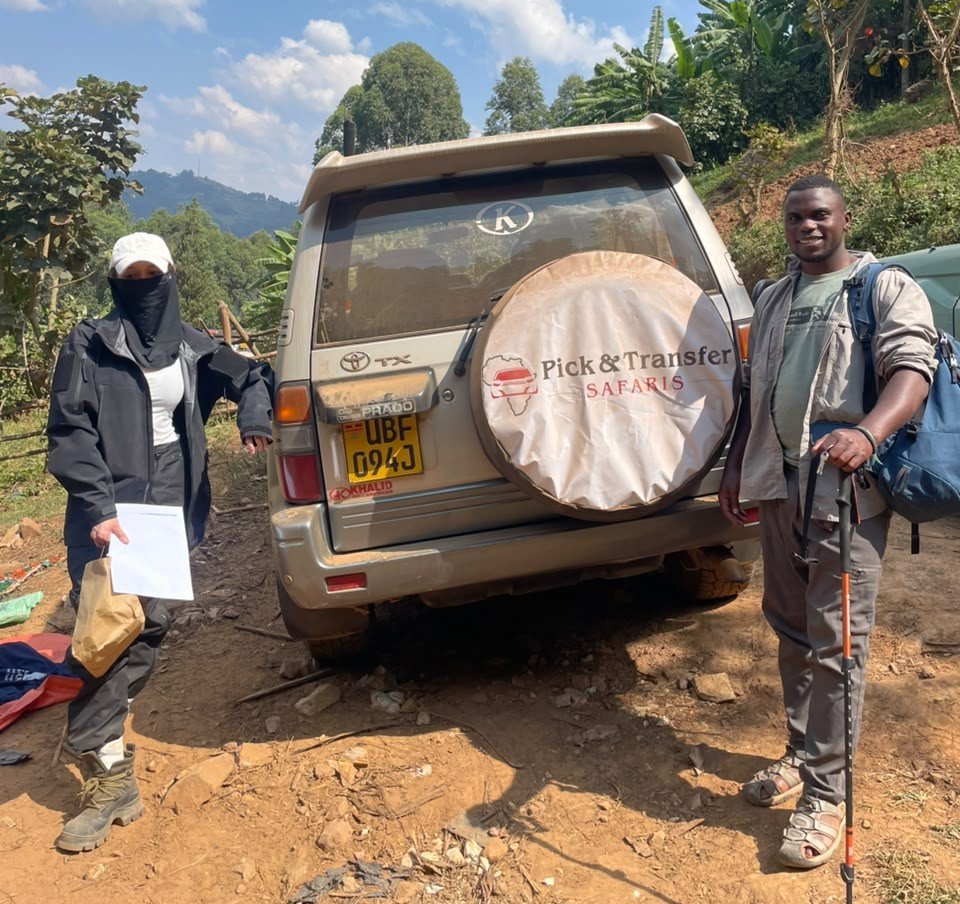
7 Days Uganda Safari – One week tour
This 7-day itinerary is the classic one-week introduction to Uganda, covering the country’s three most iconic wildlife experiences: chimpanzee tracking in Kibale Forest National Park, Big Five game drives and a boat cruise in Queen
Tour Details →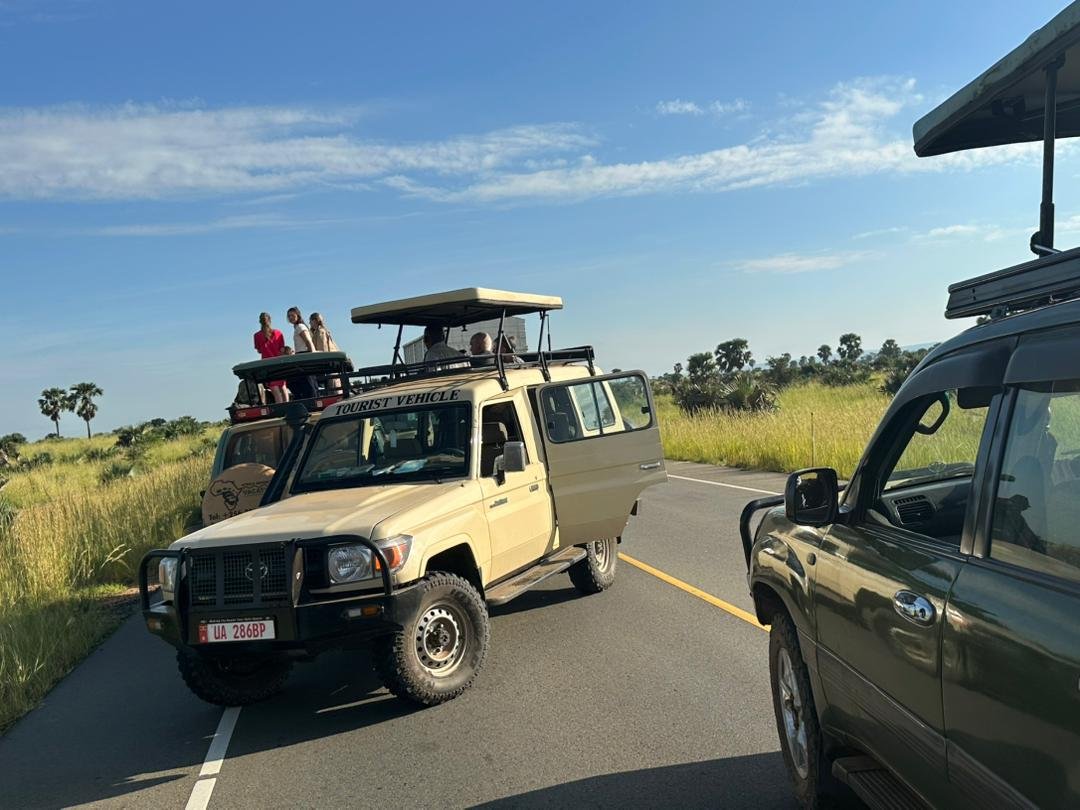
10 Days Uganda Primates and Wildlife
This 10-day Uganda Grand Safari is the most complete Uganda itinerary we offer at Pick and Transfer Safaris. It begins with a scenic northward drive from Entebbe to the vast open plains of Murchison
Tour Details →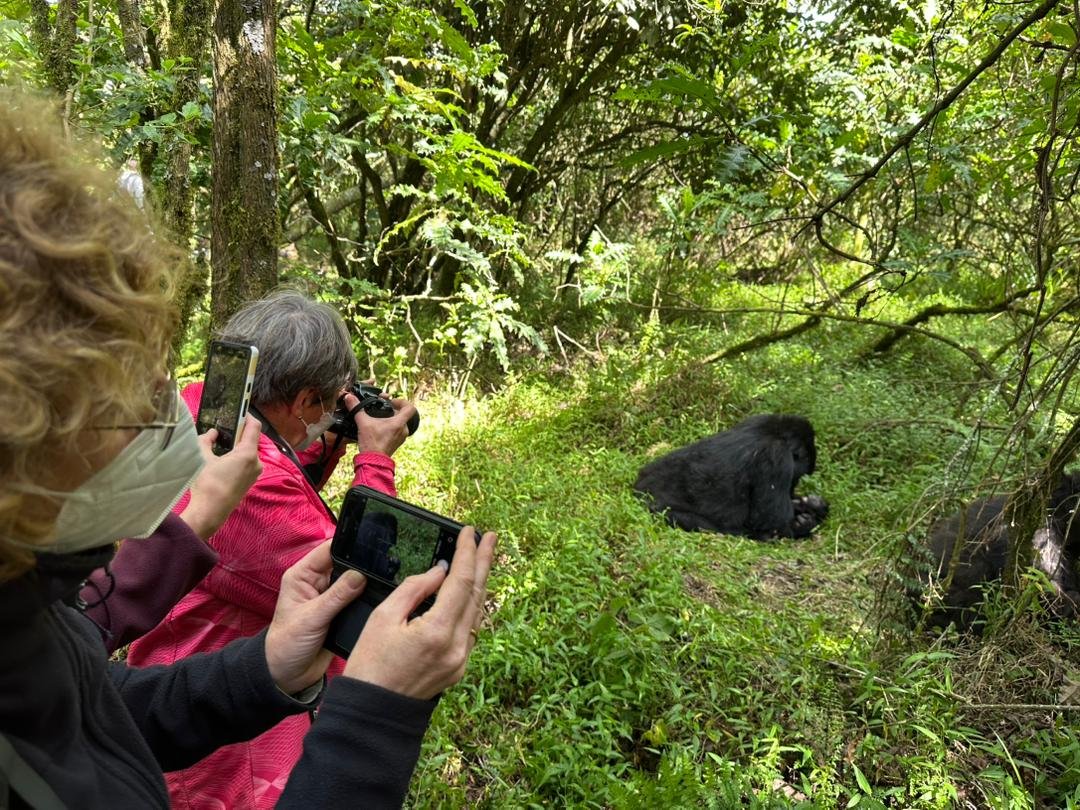
2 Days Uganda Gorilla Tour Starting from Kigali
This is the gentler cousin of our 1-Day Uganda Gorilla Safari Starting from Kigali — same idea, twice the breathing room. Instead of squeezing a 3,000-metre forest trek and two border crossings into a single very long day
Tour Details →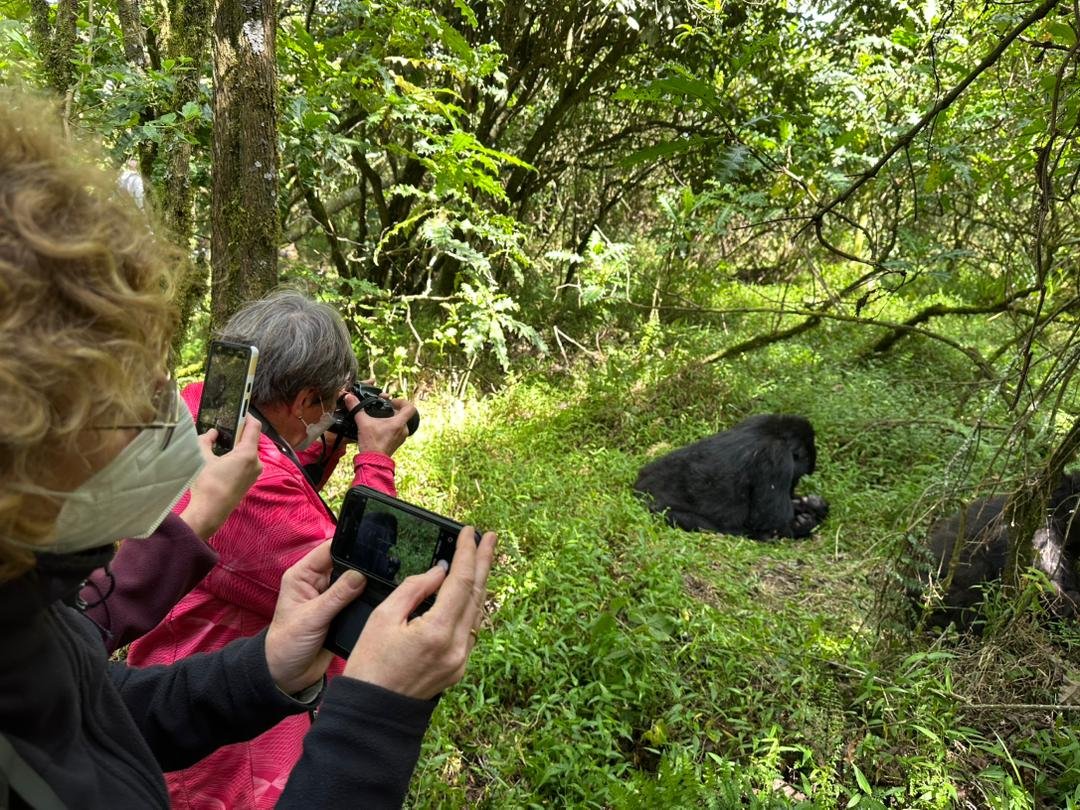
5-Day Uganda Gorilla and Chimpanzee Safari
This itinerary can be combined with a Rwanda extension or a wildlife-focused add-on through Queen Elizabeth National Park — browse our Uganda & Rwanda Safaris and Primate Safaris collections for ideas.
Tour Details →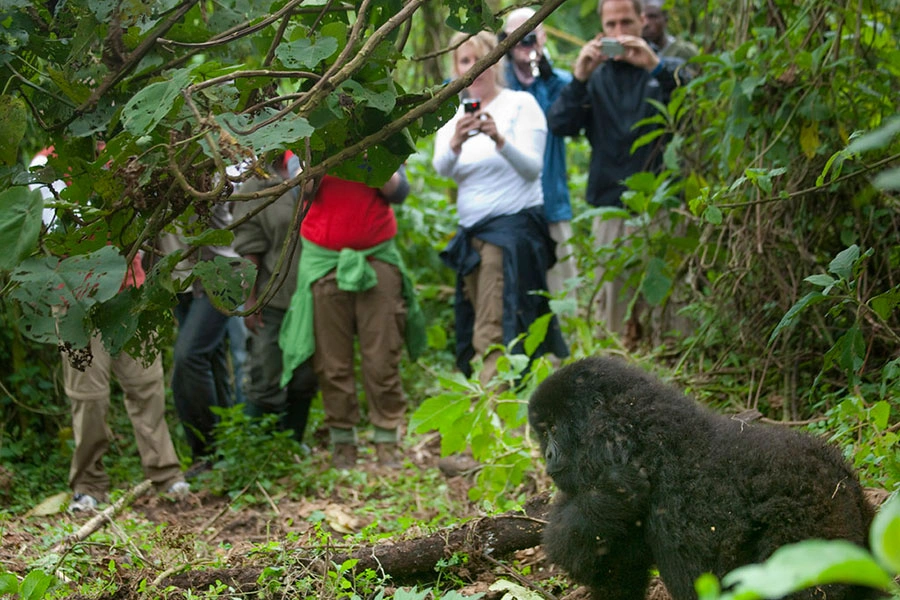
5 Days Rwanda Wildlife and Gorillas
This 5-day itinerary brings together Rwanda’s two flagship wildlife experiences: open savannah game drives and a boat safari in Akagera National Park, followed by a face-to-face encounters
Tour Details →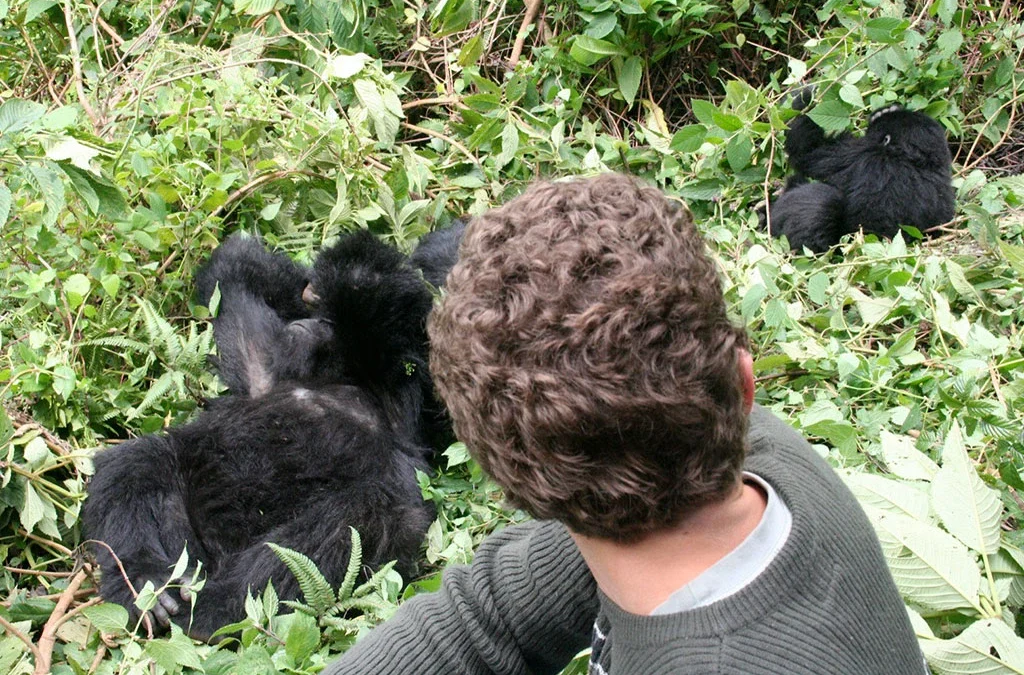
3 Days Uganda Gorilla Safari
For travelers who arrive in Entebbe with a tight schedule and a clear ambition, a 3-day gorilla safari to Bwindi Impenetrable Forest National Park is the most focused and rewarding short trip the country has to offer.
Tour Details →