- LET'S PLAN YOUR SAFARI
- +256 200 921 002
- +256 793 194 703
- info@pickandtransfersafaris.com

Cheap 2 Day Gorilla Trekking Tour from Kigali to Bwindi
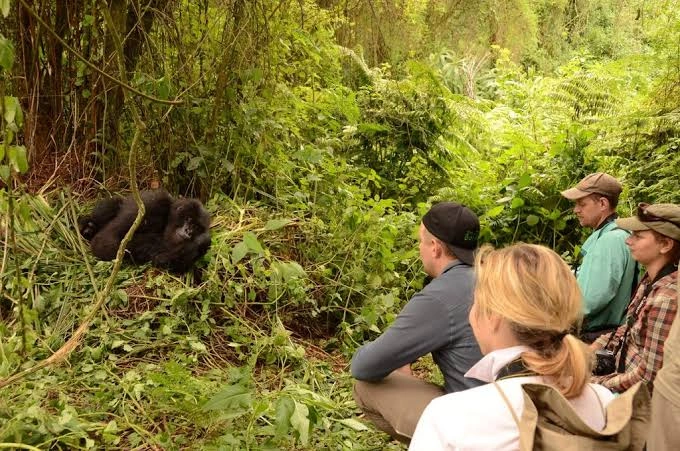
Cheap 2 Day Gorilla Trekking Tour from Kigali to Bwindi. “Cheap” and “gorilla trekking” sit uneasily next to each other, since the gorilla permit alone runs USD 700–800 regardless of who you book with. What genuinely varies is everything around that fixed cost — transport, accommodation, meals — and this guide is an honest look at where real savings exist on a 2-day Kigali-to-Bwindi trip versus where a lower headline price usually means a corner has been cut somewhere that matters. If you want the full itinerary reasoning behind this trip, our 2 Days Gorilla Trekking in Uganda from Kigali guide covers the day-by-day plan; if you’re ready to book, our existing 2-day Uganda gorilla tour starting from Kigali package is built around this exact route.
The Cost Floor: What You Genuinely Cannot Get Below
The gorilla permit (USD 700–800) is fixed by the Uganda Wildlife Authority and doesn’t change regardless of operator, season, or how hard you negotiate. Any advertised price meaningfully below roughly USD 1,000 per person for a genuinely private two-day trip is worth questioning directly — it almost always means either the permit isn’t yet confirmed, or transport is shared rather than private. Understanding this floor upfront saves considerable time that might otherwise go into hunting for a discount that structurally can’t exist on the largest single line item of the trip.
Full Realistic Budget Breakdown
| Item | Cheapest Realistic Cost (USD, per person) |
|---|---|
| Gorilla permit | 700–800 (fixed) |
| Private transport and driver-guide (2 days) | 180–220 (lower end, larger group) |
| One night’s budget guesthouse accommodation | 40–70 |
| Meals (2 days) | 30–40 (simple local options) |
| Tips | 25–40 (minimum reasonable amount) |
| Realistic minimum total | 975–1,170 |
Where Real Savings Exist
Genuine cost reductions come from: choosing simpler guesthouse accommodation over a lodge (saving USD 50–150), traveling as part of a small group to split private transport cost (saving USD 30–80 per person), choosing simple local meals over a restaurant stop (saving USD 15–30), and traveling during shoulder months when accommodation demand — and sometimes pricing — is softer than peak season. Stacking two or three of these levers together is how the realistic floor at the bottom of this guide’s range becomes achievable rather than theoretical.
Where Cutting Cost Becomes a False Economy
Two things are not worth cutting regardless of budget: private transport and a genuinely confirmed permit. Shared transport on this specific route saves a modest amount but meaningfully increases schedule risk, and an unconfirmed “pending” permit risks your entire trip for a small headline discount. Our guide to choosing the best gorilla trekking package from Kigali covers this same principle in more depth, and it applies equally to the two-day Bwindi format covered here. Treat these two items as fixed non-negotiables in your budget, and direct all your cost-cutting effort toward the genuinely flexible categories instead.
Why the Two-Day Format Can Actually Be Cheaper Than Rushing
Counterintuitively, the two-day version isn’t dramatically more expensive than a rushed one-day Bwindi attempt once private transport and realistic buffer time are priced consistently on both. Our detailed look at how much a 1-day gorilla trekking tour from Kigali costs lays out that comparison directly — the one-day version’s savings are often smaller than travelers expect.
What “Budget” Operators Get Right and Wrong
Budget-focused operators generally get accommodation and meal cost right — genuinely simpler options at genuinely lower prices, with no real downside for a one-night stay. Where they sometimes cut corners that matter is transport (switching to shared vehicles without clearly flagging it) and permit timing (delaying confirmation to manage their own cash flow rather than yours). Kenlink Tours’ overview of how much a budget gorilla safari costs in Uganda is a useful independent check on where legitimate budget operators typically land versus where a quote looks too good to be true.
Cheapest Realistic Accommodation Near Bwindi
Simple guesthouses in the Rushaga and Nkuringo areas run roughly USD 40–70 per night with hot water and a basic breakfast — perfectly adequate for a single night ahead of an early trek start. Kenlink Tours’ list of the best hotels in Kisoro is worth checking too, since basing in Kisoro town can sometimes be cheaper than staying directly at a park-adjacent property, at the cost of a slightly longer Day 2 morning drive.
How Group Size Is the Single Biggest Lever on Cost
Because private transport cost is shared across your group while permit cost stays fixed per person, traveling with even one other person meaningfully lowers your per-person total. A group of four typically pays USD 50–100 less per person than a solo traveler on an otherwise identical itinerary. If you’re traveling alone and cost is a real concern, this single factor deserves more attention than almost anything else in this guide.
Cheap Meals Without Compromising the Schedule
Simple local meals near the park — rather than a sit-down lodge restaurant — typically cost USD 8–15 per meal and don’t meaningfully slow down either day’s schedule. This is one of the easiest genuine savings on this trip, with no real downside beyond a less elaborate meal, and it’s an easy way to shave USD 15–30 off your total without touching anything that affects safety or reliability.
Booking Timing as a Cost Lever
Booking outside peak season (June–September, December–February) can mean softer accommodation pricing and more room negotiating flexibility, though permit pricing itself doesn’t change by season. Kenlink Tours’ list of available gorilla tours for booking in Uganda is a useful check on current demand levels, particularly useful for spotting whether your target dates fall into a genuinely lower-demand window.
Is Self-Drive a Genuine Way to Save Money?
Self-drive removes the driver-guide fee but adds real risk on an unfamiliar route with a border crossing, and the savings are often smaller than expected once fuel, any vehicle rental insurance, and the value of local route knowledge are factored in. Kenlink Tours’ page on a Uganda gorilla safari on self-drive is worth reading before assuming this is a straightforward way to cut cost.
Is Booking Everything Separately Actually Cheaper?
Booking permit, transport, and accommodation independently can occasionally shave a small amount off the total, but shifts all coordination risk onto you, with no single party responsible if something doesn’t line up. For most travelers, the modest potential savings aren’t worth that added risk on a route with real schedule stakes, especially with a border crossing on each end of the trip.
How Rushaga and Nkuringo Compare on Cost
Permit pricing is identical between the two sectors; the main cost difference comes down to which has better accommodation options at your target price point on your specific travel dates, which can shift based on demand rather than any fixed pattern between the two sectors. Ask us to check both when requesting a quote rather than fixing on one sector before comparing availability.
Comparing Bwindi and Mgahinga on Cost
Mgahinga’s shorter drive typically saves USD 20–50 in transport cost compared to Bwindi’s extra driving hour, but Bwindi’s better permit availability can mean less risk of needing to shift dates or pay a premium for last-minute availability, which itself has a real cost if it forces you into a less favorable booking window. Our 2-day gorilla trekking from Kigali to Mgahinga guide covers that alternative route in full.
What a Genuinely Cheap But Safe Quote Looks Like
A transparent budget quote should still confirm your permit under your name before final payment, use private (not shared) transport, and clearly itemize accommodation and meal costs rather than bundling everything into one vague number. If a quote is missing any of these details, ask directly before assuming it’s simply a better deal.
Hidden Costs That Erode “Cheap” Quotes
Watch for: permits marked “pending” that can change price if availability shifts, vehicle surcharges added after an initially low headline quote, and accommodation “resort fees” or service charges not disclosed upfront. Kenlink Tours’ piece on how to do a cheap gorilla safari in Uganda is a useful independent check on where these hidden costs typically show up.
Budgeting for Tips Honestly
Even on a budget trip, tips shouldn’t be cut to zero — USD 10–15 for your ranger and a similar amount for your driver-guide across both days is a reasonable minimum. Skipping tips entirely to save money is a false economy that reflects poorly on the traveler rather than genuinely reducing a legitimate trip cost, and it directly affects the income of the people whose work makes a safe, well-run trek possible in the first place.
Visa Costs: No Way Around Them
A single-entry Uganda visa or East Africa Tourist Visa (USD 50–100) is required regardless of budget, along with a yellow fever certificate if you don’t already hold one. Kenlink Tours’ visa and border crossing guide for Uganda and Rwanda covers the requirements in detail, including current fees and processing times for each visa type.
Insurance: Worth the Cost Even on a Budget Trip
Travel insurance covering trip delay and ideally permit cancellation typically adds USD 30–80 to your total trip cost, but protects the single largest, least flexible line item in your budget — the non-refundable permit. Skipping this to save a small amount is one of the riskiest ways to cut cost on this trip, since the potential downside dwarfs the modest premium saved.
What Happens If You Try to Go Cheaper Than the Floor
A quote significantly below the realistic floor outlined in this guide almost always means one of three things: shared rather than private transport, an unconfirmed permit, or an operator planning to add costs back in later that weren’t disclosed upfront. None of these save you money in any way that holds up once the full trip is accounted for — the apparent saving tends to disappear, or worse, turn into an actual added cost, once the trip is underway.
Comparing This to the Rwanda-Side Option on Cost
Since you’re departing from Kigali, it’s worth knowing that Rwandan gorilla permits cost meaningfully more than Uganda’s, making the Uganda route (despite the border crossing) the cheaper option for most Kigali-based travelers looking to keep costs down. Our page on how much gorilla trekking in Rwanda costs lays out that comparison directly.
A Realistic Two-Day Budget Itinerary
Simple guesthouse accommodation, a small group of three to four travelers sharing private transport, local meals both days, and standard (not minimal) tipping brings a realistic per-person total to roughly USD 1,000–1,100 — genuinely the leaner end of what this trip costs without cutting anything that meaningfully affects safety or reliability. This is the configuration we’d actually recommend to a genuinely budget-conscious traveler, rather than a theoretical lower number that only holds up under unrealistic assumptions.
What We Recommend Instead of Chasing the Absolute Lowest Price
Rather than searching for the single cheapest advertised number, use the realistic floor in this guide as your benchmark and treat any quote meaningfully below it as a reason to ask more questions, not a reason to book quickly. Our package-vetting checklist applies equally well here even though it was written around the one-day format — the same underlying questions about permit confirmation and transport type matter just as much on this two-day Bwindi route.
How to Request a Genuinely Budget-Friendly Quote From Us
Reach out through our contact page and specifically mention you’re looking for the leanest realistic option — we’ll suggest guesthouse-tier accommodation and, if you’re traveling solo, let you know whether joining an existing small group could lower your per-person transport cost. Being explicit about budget as your priority from the first message tends to get you a more useful, targeted quote than a generic inquiry.
Age and Health Requirements Don’t Change With Budget
The minimum age of 15 for gorilla permits and the yellow fever certificate requirement apply identically regardless of how much you spend on the trip around them. Our page on the gorilla trekking age limit explains this rule in more detail. Budget travelers sometimes assume these requirements might be flexible for a lower-cost booking; they aren’t, and no legitimate operator will suggest otherwise.
What to Pack on a Budget Without Compromising Safety
Even a lean-budget trip shouldn’t skip proper waterproof hiking boots, a real rain jacket, and adequate sun and insect protection — these are safety and comfort essentials, not optional upgrades, and cutting them to save a small amount is a poor trade against a physically demanding trek through dense forest terrain. Genuine savings on gear come from borrowing or renting rather than buying new, not from skipping the items altogether.
Bwindi Impenetrable Forest: What You’re Actually Paying For
The permit fee funds park conservation and community development around Bwindi Impenetrable Forest specifically, which is a large part of why it doesn’t fluctuate with operator discounts or seasonal sales. Our Bwindi Impenetrable Forest National Park destination page covers what that fee supports in more detail, useful context for understanding why this specific cost never genuinely drops regardless of how the trip around it is packaged.
How This Compares to the Cheapest One-Day Bwindi Option
Our 1-Day Bwindi Gorilla Trekking Tour from Kigali and Kigali-to-Bwindi one-day gorilla trek pages cover the compressed one-day version, which can look cheaper on paper by avoiding one night’s accommodation, but often carries hidden schedule risk that a genuinely budget-conscious traveler should weigh against the modest savings.
Benchmarking Against Independently Published Pricing
It’s worth checking any quote against independent published pricing before booking. Kenlink Tours’ overview of how much a gorilla trekking safari costs in Uganda and their piece on the price for a gorilla trekking safari in Uganda both give a reasonable sense of the going rate range, useful for spotting whether a “cheap” quote is genuinely competitive or simply missing something.
How Kampala-Based Quotes Compare on Price
Some travelers assume a Uganda-based departure (from Kampala or Entebbe rather than Kigali) might be cheaper. In practice, the far greater distance from Kampala to Bwindi (8–10 hours versus Kigali’s 4.5–5) usually offsets any apparent savings once transport cost and an extra travel day are factored in. Kenlink Tours’ comparison of travel time and cost from Kigali vs Kampala to Bwindi or Mgahinga and their note on landing in Kigali or Entebbe for a gorilla safari both lay out why Kigali remains the more cost-effective starting point for this specific trip.
How to Spot an Operator Padding a “Cheap” Quote Later
A common pattern: an attractively low initial quote, followed by “optional” add-ons that turn out to be effectively mandatory once you’re further into booking — a “vehicle upgrade fee,” a “border service charge,” or a sudden note that your permit is “subject to a small price adjustment.” A genuinely cheap, honest quote holds its number from first contact through final payment.
If You’re Comparing This to Our Broader One-Day Cluster
If you’re still weighing trip length generally, our hub page, 1-Day Gorilla Tour from Kigali, links to every one-day option we cover, and our direct answer on whether you can do gorilla trekking in Uganda in one day from Kigali covers that feasibility question if a rushed, potentially cheaper single day is still on the table for you.
Booking the Mgahinga Version If Cost Is Your Only Priority
If cost genuinely outweighs every other factor, our 2-day Mgahinga booking page is worth comparing directly against a Bwindi quote, since Mgahinga’s shorter drive typically saves USD 20–50 in transport cost — a genuine, if modest, saving over the Bwindi route covered in this guide.
Solo Travelers: A Special Case for Budgeting
Solo travelers carry the full private transport cost alone, making them the group configuration with the highest per-person total on this trip. If cost is a major concern and you’re traveling solo, ask specifically about joining an existing small group’s transport (where an operator can arrange it) rather than assuming a fully private solo vehicle is your only option.
Families and Larger Groups: Different Cost Dynamics
Larger groups benefit most from Bwindi’s better permit availability across multiple habituated families, since fitting everyone into one sector on one date is easier here than at Mgahinga. Per-person transport cost drops meaningfully as group size grows, though accommodation room availability should be confirmed well ahead of travel for groups larger than four to six.
What a Realistic Two-Night Budget Trip Looks Like Instead
Some genuinely budget-conscious travelers choose to spend two nights rather than one — arriving a day earlier to rest more fully before the trek — reasoning that a second night at a cheap guesthouse (USD 40–70) is a better use of money than rushing the schedule further to save that same amount. This isn’t necessary, but it’s a legitimate alternative way to spend a similar budget if comfort matters more to you than minimizing nights.
How This Guide’s Approach Differs From a Typical “Cheap Safari” Listicle
Many “cheap safari” articles online simply list operators claiming low prices without explaining what’s actually included in those prices, which makes genuine comparison difficult. This guide instead breaks the cost into fixed and variable components so you can evaluate any specific quote — ours or another operator’s — against the real structure of what this trip actually costs, rather than against a vague, unverifiable headline number.
Why “Cheap” Doesn’t Have to Mean “Basic”
A genuinely lean budget for this trip — guesthouse accommodation, local meals, a small shared-transport group — doesn’t compromise the actual gorilla encounter at all, since that’s identical regardless of price tier. The difference between a “cheap” and “premium” version of this trip is almost entirely about comfort around the encounter, not the encounter itself, which is worth remembering if cost pressure makes the trip feel like a compromise.
What Travelers on a Tight Budget Often Regret Cutting
Based on common feedback patterns across the industry, the corners travelers most often regret cutting are: skipping travel insurance (regretted specifically when a permit or flight issue arises), choosing shared transport on a tight schedule (regretted when it causes delays), and under-tipping rangers and guides who directly enable a safe, well-run trek. None of these regrets are about the accommodation or meal choices, which supports this guide’s core framing — cut cost there, not on the two or three things that actually carry risk.
A Realistic Timeline for Planning a Budget Trip
Four to six months out: start checking permit availability and comparing accommodation options at your target budget. Two to three months out: confirm your permit and lock in guesthouse accommodation before the cheapest rooms are booked by other travelers. One month out: confirm your visa is approved and your yellow fever certificate is in hand. One to two weeks out: reconfirm your pickup time and payment arrangements with your operator.
How This Guide Applies If You End Up Choosing Mgahinga Instead
Everything in this guide’s cost-floor logic — the fixed permit, the value of private transport, where genuine savings exist — applies identically if you end up choosing Mgahinga over Bwindi after comparing permit availability and drive times. Only the specific dollar figures shift slightly, generally downward, given Mgahinga’s shorter drive.
Why We Publish Our Cost Breakdown Rather Than Just a Headline Price
A single advertised “from USD X” price, without the breakdown this guide provides, tells you very little about whether it reflects your actual situation — your group size, your accommodation preference, your travel season. Publishing the full breakdown lets you build your own accurate number rather than anchoring on a figure that may not apply to your specific booking at all.
Frequently Asked Questions
What’s the cheapest realistic price for a 2-day gorilla trek from Kigali to Bwindi?
Roughly USD 975–1,170 per person for a genuinely private, safe itinerary using guesthouse accommodation and a small group.
Can I do this trip for under USD 900?
Not with a confirmed permit and private transport — the permit alone is USD 700–800. A quote under USD 900 almost always means shared transport or an unconfirmed permit.
Is shared transport a safe way to cut cost on this route?
It reduces cost modestly but increases schedule risk, since your day depends on other passengers’ pace and pickup times. We don’t generally recommend it for this specific route.
Does traveling in a group actually save money?
Yes, meaningfully — private transport cost is split across the group while permit cost stays fixed per person, so groups of three or four pay noticeably less per person than solo travelers.
Is the two-day trip cheaper than the one-day version?
Not usually cheaper outright, but the gap is often smaller than expected, and the two-day version removes the schedule risk that makes the rushed one-day version stressful.
Can I skip travel insurance to save money on this trip?
We don’t recommend it, given that the permit — the largest single cost — is generally non-refundable. Skipping insurance to save USD 30–80 risks losing USD 700–800 outright if something goes wrong.
Is Rushaga or Nkuringo cheaper for a budget trip?
Permit pricing is identical between the two; whichever has better accommodation availability at your target price point on your specific dates will typically work out slightly cheaper in practice.
Does booking further in advance actually save money?
It doesn’t lower the fixed permit price, but it does secure the cheapest available accommodation before those rooms are booked by other travelers, which can meaningfully affect your real total cost.
Can I negotiate the price of my gorilla permit?
No — permit pricing is set by the Uganda Wildlife Authority and isn’t negotiable with any operator, regardless of how the rest of your trip is packaged or discounted.
Comparing This to Our Full Package-Buying Guide
Our full range of gorilla safari packages spans everything from this lean two-day option to longer, more comfortable multi-day itineraries, useful if reading through this guide’s honest cost floor makes you reconsider whether “cheap” is actually the priority you thought it was versus a slightly higher-comfort option at a similar total spend.
How Much of Your Total Cost Is Actually Negotiable
Of the roughly USD 975–1,170 realistic floor, only accommodation, meals, and to some extent transport (via group size) are genuinely negotiable — together representing perhaps 25–30% of the total. The permit, at 65–75% of the total cost, simply isn’t negotiable with any operator, since it’s a fixed government fee. Understanding this ratio helps set realistic expectations before spending time hunting for a meaningfully cheaper quote that doesn’t exist.
A Practical Way to Test Whether a Quote Is Genuinely Cheap or Just Incomplete
Ask the operator to break down their quote into exactly the five categories used throughout this guide: permit, transport, accommodation, meals, and tips. If any category is missing or vague, that’s very likely where the real cost is hiding, waiting to appear later in the booking process rather than reflecting an actual saving.
Why We Don’t Advertise a Single “Cheapest Price” Headline
A single low headline number, without the context this guide provides, would either be misleading (based on shared transport or an unconfirmed permit) or accurate only for a narrow set of circumstances (a specific group size, a specific low season, a specific guesthouse). Rather than publish a number that wouldn’t be accurate for most travelers’ actual situation, we’ve laid out the full realistic range and the levers that move it, so you can build an accurate expectation for your own specific booking.
What a Genuinely Budget-Conscious Traveler Should Prioritize
In order: confirm the permit is real and registered to your name, confirm transport is private, then optimize everything else — accommodation tier, meal choices, group size, and travel season — for cost. Getting this order right protects you from the two things that actually threaten a trip (an unconfirmed permit, a schedule-risking shared vehicle) while still capturing every legitimate saving available on the rest of the trip.
How Currency Fluctuation Affects Your Budget
Since most quotes are in US dollars, exchange rate movement between booking and travel can shift your real cost slightly if budgeting from a different home currency. This is rarely significant over a normal few-month booking window, but worth a quick check if booking many months ahead during a period of currency volatility.
Building Your Own Bottom-Up Budget
Start with the fixed USD 700–800 permit, then add your realistic transport share based on group size, your chosen accommodation tier, meal costs, and a reasonable tipping minimum. This bottom-up approach, rather than anchoring on a single advertised “from” price, is the most reliable way to arrive at a number that will actually match what you pay.
How Weather and Season Interact With Cost
Traveling in the wetter shoulder months (March–May, October–November) doesn’t change permit pricing, but accommodation demand and pricing near Bwindi’s southern sectors is often softer during these periods, since fewer travelers book gorilla treks then. The trade-off is a slower, muddier trek — a reasonable one for a genuinely budget-conscious traveler willing to accept slightly less predictable trek conditions in exchange for softer accommodation pricing.
How Booking Further Ahead Affects Your Real Cost
Booking two to three months ahead (four to six for peak season) generally secures the widest choice of budget accommodation options before the cheapest rooms are taken by other travelers. Booking closer to your travel date doesn’t raise permit price, but it can mean your only remaining accommodation choices sit at a higher price point simply because the cheaper options are already booked.
What a Realistic Negotiation With an Operator Looks Like
There’s limited room to negotiate the permit or genuinely private transport, both of which reflect real, largely fixed costs. There’s more room to discuss accommodation tier, meal arrangements, and whether joining an existing small group booking could lower your per-person transport share. Frame any cost conversation around these specific levers rather than asking an operator to simply “do better” on an already tight, honest quote.
How This Guide’s Numbers Hold Up Over Time
Permit pricing set by the Uganda Wildlife Authority is relatively stable but not permanently fixed, and transport and accommodation costs can shift gradually over time with inflation and demand. Treat the specific dollar figures in this guide as a snapshot rather than a permanent number, and always confirm current pricing directly with an operator before finalizing a budget based on any published guide, including this one, since figures like these can drift over a year or two.
A Word on Why We’re Not the Absolute Cheapest Option Available
Some operators will quote below the realistic floor outlined here, generally by compromising on permit confirmation timing or transport privacy. We’d rather be transparent that our pricing reflects a genuinely private, permit-confirmed itinerary than compete purely on a headline number that doesn’t hold up once you’re actually on the ground in Rwanda and Uganda.
What Happens If You Book Cheap and Something Goes Wrong
An unconfirmed permit that falls through, or a shared vehicle that runs badly behind schedule, can cost far more than the modest amount saved by choosing the cheapest available quote — a missed trek entirely, a missed flight, or an unplanned extra night’s accommodation. Weigh the modest savings from cutting these two specific corners against that realistic downside before deciding they’re worth the risk.
Comparing a Genuinely Cheap Quote Against Ours Directly
If you’ve received a quote elsewhere that looks considerably cheaper than the floor outlined in this guide, we’re happy to review it against the same five-category breakdown used throughout this page and tell you honestly whether it looks complete or whether something is likely missing. Reach out through our contact page with the quote details if you’d like that second opinion before booking — there’s no obligation attached to asking.
What This Guide Deliberately Doesn’t Recommend
We don’t recommend skipping travel insurance to save money, given how much of the trip cost sits in a single non-refundable permit. We don’t recommend shared transport on this specific route, given the schedule stakes of a border crossing on both ends of the trip. And we don’t recommend accepting a permit marked “pending” in exchange for a lower price, since that risk isn’t worth the modest saving on offer, whatever an operator’s marketing might imply.
A Simple Checklist Before You Book the Cheapest Quote You’ve Found
Is the permit confirmed under your name and date, not just requested? Is transport genuinely private? Does the quote break down into the five categories used throughout this guide, with nothing vague or missing? Is the total within or close to the realistic floor outlined here, and if it’s meaningfully below that, has the operator explained specifically why? If you can answer all four confidently, you’ve likely found a genuinely good, honestly cheap option rather than one that will cost you more than it saves in the end.
What to Do If Every Quote You’ve Received Feels Too Expensive
If your budget genuinely can’t stretch to the realistic floor outlined in this guide, the honest options are: reduce your group’s per-person cost by joining or forming a larger group, shift your trip to a lower-demand period for softer accommodation pricing, or reconsider whether this specific trip is the right fit for your budget this year rather than compromising on permit confirmation or transport safety to force the numbers to work. None of these compromises the trip itself — they simply change its timing or its cost structure.
Cheap 2 Day Gorilla Trekking Tour from Kigali to Bwindi
A 2-day gorilla trekking tour from Kigali to Bwindi has a real cost floor of roughly USD 975–1,170 per person once you account for the fixed permit, safe private transport, and reasonable minimums for accommodation, meals, and tips. Chasing a price meaningfully below that isn’t a bargain — it’s almost always a corner cut somewhere that matters, whether that’s an unconfirmed permit or a shared vehicle that puts your tight border-crossing schedule at risk. If you want the leanest honest version of this trip, our 2-day Uganda gorilla tour starting from Kigali package can be built around guesthouse accommodation and a shared-group rate on request, without compromising on permit confirmation or private transport.
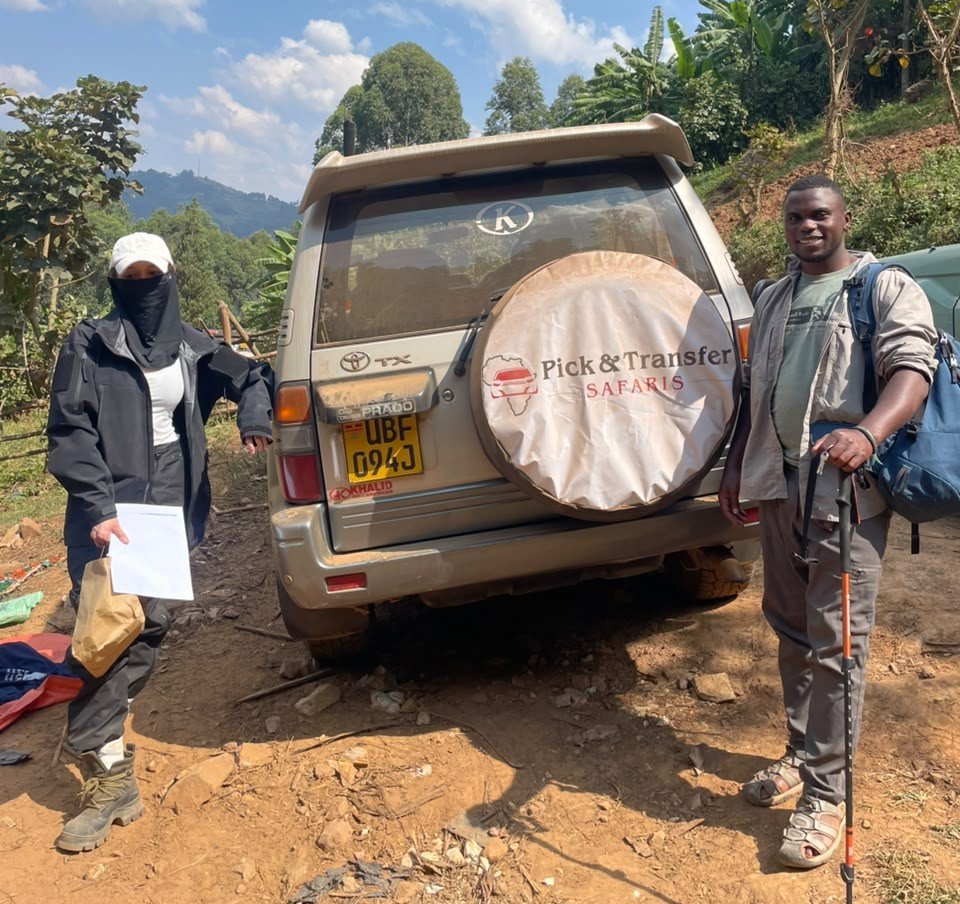
7 Days Uganda Safari – One week tour
This 7-day itinerary is the classic one-week introduction to Uganda, covering the country’s three most iconic wildlife experiences: chimpanzee tracking in Kibale Forest National Park, Big Five game drives and a boat cruise in Queen
Tour Details →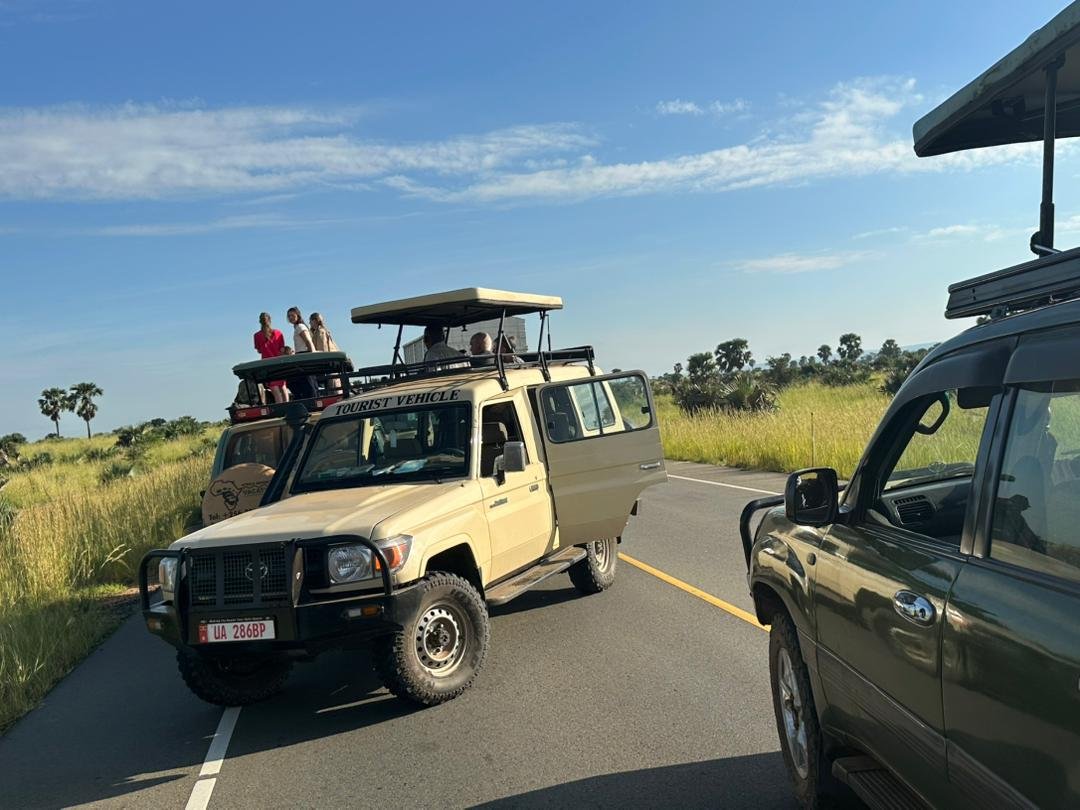
10 Days Uganda Primates and Wildlife
This 10-day Uganda Grand Safari is the most complete Uganda itinerary we offer at Pick and Transfer Safaris. It begins with a scenic northward drive from Entebbe to the vast open plains of Murchison
Tour Details →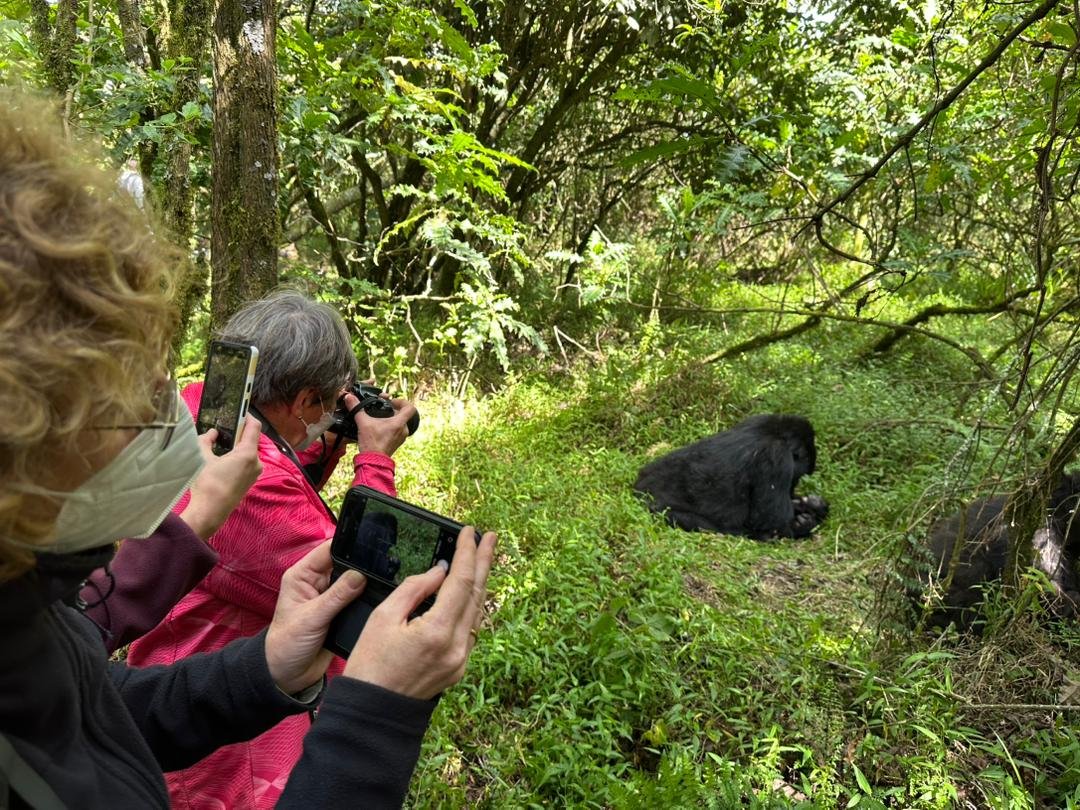
2 Days Uganda Gorilla Tour Starting from Kigali
This is the gentler cousin of our 1-Day Uganda Gorilla Safari Starting from Kigali — same idea, twice the breathing room. Instead of squeezing a 3,000-metre forest trek and two border crossings into a single very long day
Tour Details →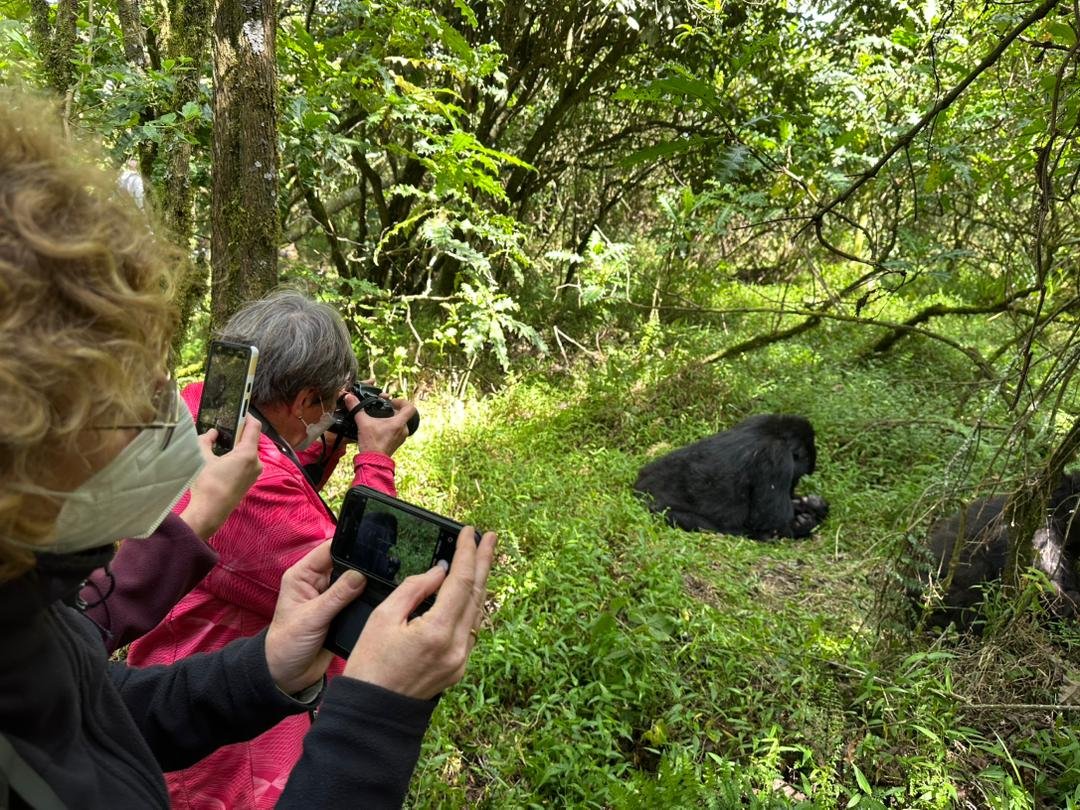
5-Day Uganda Gorilla and Chimpanzee Safari
This itinerary can be combined with a Rwanda extension or a wildlife-focused add-on through Queen Elizabeth National Park — browse our Uganda & Rwanda Safaris and Primate Safaris collections for ideas.
Tour Details →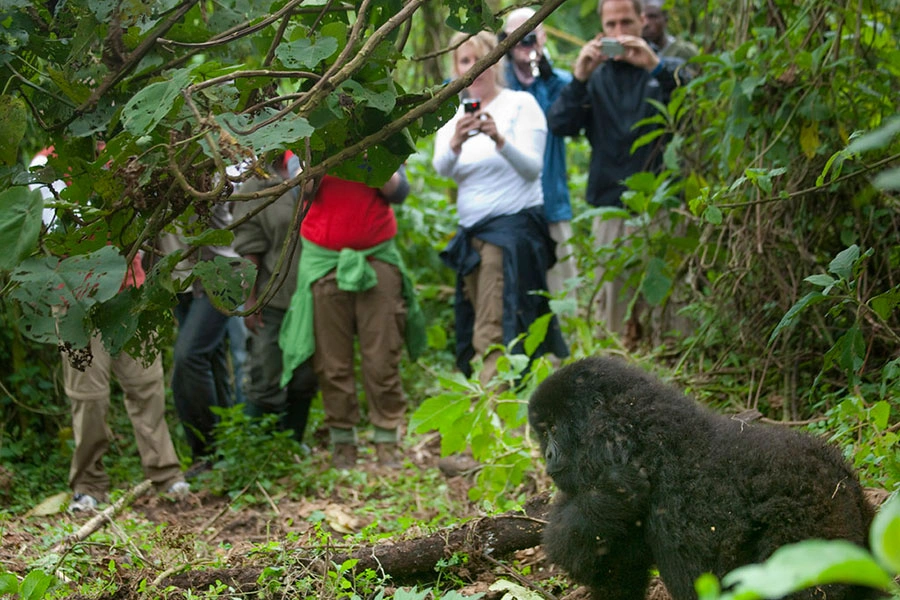
5 Days Rwanda Wildlife and Gorillas
This 5-day itinerary brings together Rwanda’s two flagship wildlife experiences: open savannah game drives and a boat safari in Akagera National Park, followed by a face-to-face encounters
Tour Details →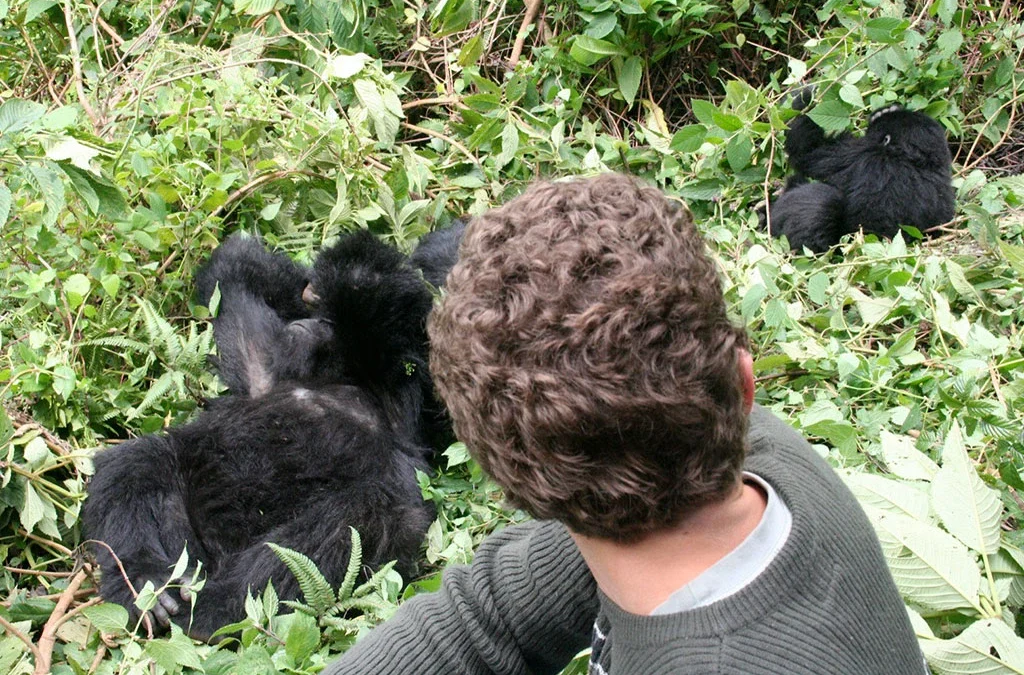
3 Days Uganda Gorilla Safari
For travelers who arrive in Entebbe with a tight schedule and a clear ambition, a 3-day gorilla safari to Bwindi Impenetrable Forest National Park is the most focused and rewarding short trip the country has to offer.
Tour Details →