- LET'S PLAN YOUR SAFARI
- +256 200 921 002
- +256 793 194 703
- info@pickandtransfersafaris.com

Cheap 1 Day Gorilla Trekking Tours from Kigali to Uganda
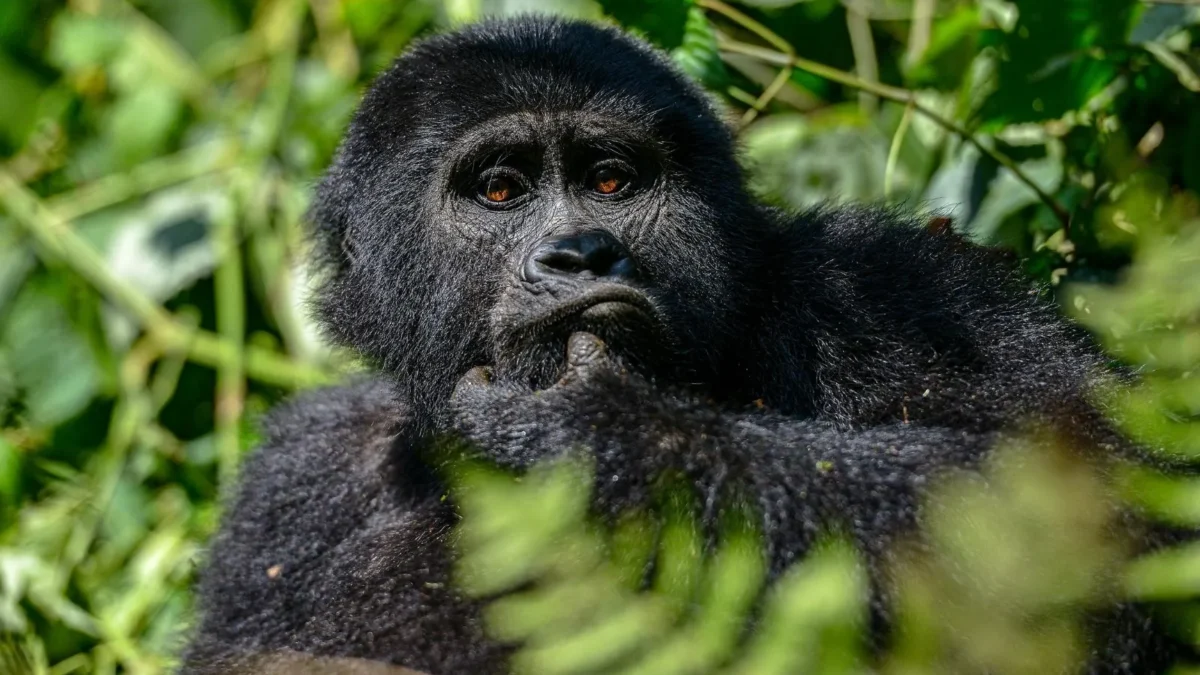
Cheap 1 Day Gorilla Trekking Tours from Kigali to Uganda. “Cheap” and “gorilla trekking” sit uneasily together, and it’s worth saying that plainly before anything else: a Uganda gorilla permit costs USD 800 per person no matter who you book with, so no tour — one day or ten — is ever going to be genuinely cheap in the way a budget city break is. What this guide actually covers is more useful than a list of low prices: which parts of a one-day Kigali-to-Uganda gorilla trek are fixed, which parts you can legitimately reduce, and which “cheap” offers are actually just risky dressed up as a bargain. Every figure below reflects real, itemized costs on this specific route rather than a headline number designed to look good in a search result. If you’ve already worked through the numbers below and want a straightforward, honestly priced package, our one-day Uganda gorilla safari from Kigali is built exactly to this standard.
What “Cheap” Really Means for Gorilla Trekking
In most travel contexts, “cheap” means a lower total price. In gorilla trekking, it almost always means something narrower: the same fixed permit cost, with savings coming entirely from transport, timing, and group size. Any quote significantly below the realistic range covered in this guide is worth treating with suspicion rather than excitement, since the one line item nobody can discount — the government-set permit fee — makes up roughly 65 to 80% of the total cost of a one-day trip. Our related pages on cheap Uganda gorilla treks from Kigali and affordable one-day gorilla trekking safaris cover related angles on this same honest-pricing approach.
The One Cost You Can’t Reduce: The Gorilla Permit
Every legitimate operator charges the same USD 800 per person for a standard Uganda gorilla permit, because it’s collected by the Uganda Wildlife Authority, not set by the tour company. If a quoted price seems to include a meaningfully cheaper permit, ask directly how — the honest answers are limited to East African Community citizen or foreign resident discount rates, which most international travelers don’t qualify for. Kenlink Tours’ guide on the price for a gorilla trekking safari in Uganda confirms this same fixed rate independently.
Where the Real Savings Come From
Once the permit is fixed, everything reducible falls into three categories: transport cost per person (which drops as group size grows), timing (avoiding peak-season premiums some operators apply), and what you skip entirely (a Kigali hotel night, add-on activities, souvenir shopping). None of these touch the core trek experience — the same permit buys the same hour with the same gorillas regardless of how much you paid for the drive there. Our low-budget Uganda gorilla safari packages page and cheap gorilla safaris in Uganda page both work from this same framework.
Mgahinga vs Rushaga: Which Route Is Actually Cheaper
Cheap 1 Day Gorilla Trekking Tours from Kigali to Uganda. Mgahinga, roughly three hours’ drive from Kigali each way, generally works out USD 50 to 100 per person cheaper than Bwindi’s Rushaga sector, which adds 45 minutes to an hour of extra driving each way. The trade-off is permit availability — Mgahinga has only one habituated family against Rushaga’s eight or more — so the cheaper route is also the one with tighter permit competition in peak season. Our comparison of Mgahinga versus Bwindi for gorilla trekking and full Kigali to Bwindi cost breakdown both lay out this trade-off with exact figures.
How Group Size Cuts Your Per-Person Cost
Private transport is typically quoted as a flat rate per vehicle rather than per person, so a couple traveling together pays roughly half the transport cost each that a solo traveler pays alone, and a group of four splits it further still. The permit cost stays fixed per person regardless, so group travel is genuinely the single biggest lever available to reduce your per-person total — more effective than almost any other saving covered in this guide. If you’re traveling solo, ask your operator whether joining another small group heading to the same park on the same date is an option.
Full Cost Breakdown: The Cheapest Legitimate One-Day Tour
| Item | Cost (per person) | Reducible? |
|---|---|---|
| Gorilla permit | USD 800 | No — fixed by UWA |
| Private transport (Mgahinga route, solo) | USD 200–250 | Yes — drops sharply with group size |
| Private transport (Mgahinga route, group of 4) | USD 60–90 | Already reduced |
| Meals (breakfast & lunch) | Usually included | N/A |
| Porter fee (optional) | USD 15–20 | Optional, not recommended to skip |
Realistic all-in range for a genuinely cheap but legitimate solo booking: roughly USD 1,000 to 1,100 per person on the Mgahinga route; for a group of three or four, this can fall closer to USD 870 to 950 per person. Our Uganda gorilla safari under $1,500 and budget one-day gorilla safari in Uganda pages both work from this same realistic range rather than promising figures that don’t hold up against the fixed permit cost.
Comparing Quotes: A Line-by-Line Checklist
Cheap 1 Day Gorilla Trekking Tours from Kigali to Uganda. When two operators quote different totals for what looks like the same trip, the gap is almost always in how the quote is itemized rather than the underlying trip itself. Ask each operator to break down permit cost, transport cost, meals, and any service fee separately rather than accepting a single bundled figure — this makes it possible to spot whether one is quietly charging a premium on the permit, using a shared rather than private vehicle, or excluding meals that another includes. A transparent operator will give you this breakdown without hesitation; reluctance to itemize is itself a useful signal. Kenlink Tours’ comparison of how much a gorilla trekking safari costs in Uganda is a good independent baseline to check any quote against.
Meals: Where Some Operators Quietly Cut Corners
Packed breakfast and lunch are inexpensive relative to the rest of the trip, but they’re also an easy place for a “cheap” quote to trim without it being obvious upfront — a thin sandwich and a bottle of water instead of a proper meal for what is genuinely an 18-hour day. Ask specifically what’s included for both meals when comparing quotes, not just whether meals are “included,” since the difference in actual food quality rarely shows up in the headline price but matters considerably by hour fourteen of a long trekking day.
Fuel, Vehicle Condition, and Why the Cheapest Vehicle Isn’t Always Cheap
A noticeably below-market transport quote sometimes reflects an older vehicle with less reliable air conditioning, worn tires, or a driver covering more bookings in a day than is reasonable — all of which matter more on a one-day itinerary with almost no schedule slack than on a relaxed multi-day trip. A breakdown or a slow, unreliable vehicle on the unpaved stretch into the park isn’t just an inconvenience here; it can cost you the trek itself if it pushes your arrival past the ranger briefing cutoff. This is one of the clearest cases in this guide where the cheapest option and the best-value option are genuinely different things.
Group-Matching: How Operators Actually Combine Solo Travelers
When an operator offers to match you with another small group to split transport costs, ask how firm that arrangement is — some confirm it only once both parties have paid deposits, while others hold a “likely” match that can fall through close to your travel date, leaving you to cover the full private rate at short notice. A reputable operator will tell you plainly which category your quote falls into rather than presenting a group rate as guaranteed before it actually is one. Kenlink Tours’ list of companies that do transfers from Rwanda to Bwindi is a useful independent way to compare how different operators structure this.
Currency Exchange and Avoiding Bank Fees
Exchanging currency or withdrawing US dollars in Kigali before departure is generally more favorable than doing so at the border or relying on your home bank’s foreign transaction rates. Since a meaningful portion of your on-the-day spending — tips, porter fees, incidentals — happens in cash, a few percentage points saved on exchange rates adds up more than it might seem, and it’s one of the few genuinely free savings in this guide beyond simply booking early.
Cheap Doesn’t Mean Rushed: Building In a Buffer Without Overspending
It’s possible to book the most cost-efficient version of this trip — Mgahinga route, small group, off-peak dates — and still ask your operator to depart 30 minutes earlier than the bare minimum required. This costs nothing beyond an earlier alarm and meaningfully reduces the stress of a schedule that otherwise has almost no margin for a slow border crossing or a longer-than-expected trek. Budget-conscious doesn’t have to mean accepting the tightest possible timeline along with the lowest possible price.
Seasonal Booking Windows That Actually Save Money
Cheap 1 Day Gorilla Trekking Tours from Kigali to Uganda. Because permit prices don’t change with season, the real seasonal saving is indirect: booking two to three months ahead of a shoulder-season date (April–May or October–November, avoiding both the wettest weeks and the peak-season transport premiums some operators apply) tends to produce the most competitive transport quotes. Kenlink Tours’ comparison of travel time and cost from Kigali versus Kampala and their notes on saving money starting a Uganda trip from Rwanda both touch on this same seasonal pattern from an independent angle.
Off-Peak Timing and Modest Savings
Cheap 1 Day Gorilla Trekking Tours from Kigali to Uganda. Permit prices themselves don’t change by season, but some transport and any add-on accommodation costs can be marginally lower outside the June–September and December–February peak months, simply through reduced demand. The bigger practical benefit of off-peak travel isn’t cost so much as availability — booking outside peak season gives you more room to negotiate group transport rates and secure last-minute permits, both of which indirectly help your budget more than any direct seasonal discount.
Should You Self-Drive to Cut Costs?
Self-driving from Kigali to Uganda is technically possible and does remove the cost of a private driver-guide, but it introduces real risk on this specific itinerary: unfamiliar roads, a foreign border crossing, and zero margin for error on a schedule that already has almost none. For a relaxed multi-day trip, self-driving can make sense; for a one-day round trip where a wrong turn or a slow border experience can cost you the whole day, most experienced travelers find the savings aren’t worth the risk. Kenlink Tours’ notes on doing a Uganda gorilla safari on self-drive cover what’s actually involved if you’re still considering it.
Skipping a Kigali Hotel Night: Real Savings or False Economy?
Flying in and heading straight to a 3 a.m. pickup instead of booking a Kigali hotel night saves the cost of that room, but it’s one of the least advisable ways to cut cost on this itinerary — arriving exhausted before an 18-hour day meaningfully increases the risk of the trip feeling miserable rather than memorable. A basic guesthouse night in Kigali costs a fraction of the permit price; treat it as a fixed cost of doing the one-day trip safely rather than an optional extra to trim.
What NOT to Cut Corners On
Three things are worth paying for regardless of budget: private rather than shared transport, since a shared vehicle’s unpredictability is a poor fit for a schedule with almost no slack; travel insurance that explicitly covers trekking and permit cancellation, since the permit is non-refundable and the single largest expense on the trip; and a reputable operator with a track record on this exact Kigali-to-Uganda route, rather than the cheapest unfamiliar name you find. None of these are large expenses relative to the permit, and all three protect the much larger sum you’ve already committed.
Red Flags: When “Cheap” Means Risky
Be cautious of any quote that bundles the permit price into a vague “all-inclusive” figure without itemizing it, since this makes it hard to verify you’re actually being charged the standard USD 800 rate rather than a marked-up or, worse, fabricated permit. Be equally cautious of operators unwilling to confirm permit availability before taking a deposit, or who push a shared vehicle without disclosing it clearly upfront. A gorilla permit is a physical document tied to your passport — ask to see confirmation of the booking reference before final payment, not just a generic receipt.
What a “Too Good to Be True” Quote Actually Looks Like
In practice, an unrealistically cheap quote for this trip tends to show one or more specific patterns: a total price noticeably below USD 900 per person with no itemized permit line, reluctance to confirm the permit booking reference before requesting full payment, an unusually large deposit requested well before your travel dates with vague terms, or pressure to decide within hours rather than being given time to compare. None of these alone is proof of a problem, but two or more together are worth pausing over. A genuinely competitive but honest quote will hold up to direct questions about each of these points without the operator becoming evasive.
Payment Terms: Deposits and What They Actually Lock In
Ask specifically what your deposit secures — ideally, the actual gorilla permit purchase in your name, not just a provisional booking slot that could still fall through. Because the permit is the non-refundable, non-transferable core of the entire trip, a deposit that doesn’t clearly convert into a confirmed permit within a reasonable window is a weaker guarantee than it might first appear, regardless of how competitive the headline price looks.
Documents Checklist: The Free Preparation That Avoids Costly Delays
- Passport valid at least six months beyond your travel dates
- Uganda visa or East Africa Tourist Visa, arranged online in advance
- Yellow fever vaccination certificate
- Confirmed gorilla permit booking reference in your exact passport name
- Travel insurance covering trekking and permit cancellation
- Cash in US dollars for tips, exchanged in Kigali before departure
None of this costs extra beyond what you’d need to pay anyway, but skipping the preparation is one of the more common ways a budget trip ends up costing more — a missed border crossing over an expired document, or a same-day visa scramble at a premium rate, both erase whatever you saved elsewhere.
Physical Fitness: The Free Way to Make the Day Easier
A few weeks of walking or light cardio before your trip, and breaking in your hiking boots ahead of time, cost nothing and meaningfully reduce how hard the day feels — which matters more on a budget trip than a comfortable one, since there’s no lodge to recover in afterward. This is arguably the highest-value free preparation covered in this entire guide: it doesn’t lower the price of anything, but it directly improves how much you get out of the money you’ve already committed to spending.
Combining Cost-Saving With a Kigali City Stop
If your flight schedule allows even half a day either side of the trek, a modest Kigali city stop — the Genocide Memorial, Kimironko Market, a local coffee tasting — costs relatively little and turns a purely functional one-day errand into part of a fuller trip, without meaningfully changing your total budget. This is a good example of spending a small, deliberate amount rather than cutting it entirely: the marginal cost is low relative to the rest of the trip, and it changes how the day feels considerably.
How This Compares to a Discounted Multi-Day Package
Some operators advertise discounted multi-day packages that, once compared honestly, land close to the one-day trip’s per-person cost once a modest guesthouse night is included. If your goal is genuinely the lowest total spend rather than specifically compressing the trip into one day, it’s worth requesting a two-day quote alongside your one-day one before deciding — sometimes the “cheap one-day option” and the “comfortable two-day option” turn out to cost within USD 50 to 100 of each other, at which point the choice becomes about comfort rather than budget. Our best budget gorilla trekking tours from Kigali page includes both formats side by side for exactly this comparison.
Is a One-Day Trip Actually Cheaper Than Two Days?
Marginally, and often less than travelers expect. A two-day trip adds one night’s accommodation — anywhere from USD 30 for a budget guesthouse to several hundred for a luxury lodge — against a one-day trip’s savings of essentially just that hotel cost, since the permit and most transport costs are similar either way. Our page on trekking gorillas and driving back to Kigali in one day breaks this comparison down directly, and the honest conclusion is that “cheap” is a weak reason on its own to choose the exhausting one-day version over a considerably more comfortable two-day trip.
Connectivity and Communication Costs
A local SIM card or an international roaming package for the day is a minor cost most budget breakdowns skip entirely, and it’s genuinely optional given how much of the day passes through areas with limited signal anyway. If staying reachable matters to you, a basic Rwandan or Ugandan data bundle costs only a few dollars and is worth the small expense rather than relying on unpredictable roaming charges from a home carrier, which can quietly add far more to your trip than the savings you worked to secure elsewhere.
Why Chasing the Absolute Lowest Price Can Backfire
There’s a point past which further “savings” stop being savings and start being risk transferred onto you: an unreliable vehicle that breaks down, a permit booking that turns out to be unconfirmed, or a driver unfamiliar with the Cyanika crossing who costs you an hour you didn’t have. Because the permit is such a large, non-refundable fixed cost, the financial downside of a trip going wrong is disproportionately large compared to whatever you saved by choosing the cheapest available option. The goal covered throughout this guide isn’t the lowest number on a quote — it’s the lowest number that still reliably delivers the trip.
A Realistic Budget Range by Traveler Type
| Traveler Type | Realistic Per-Person Cost |
|---|---|
| Solo traveler, standard booking | USD 1,100–1,300 |
| Solo traveler, group-matched transport | USD 950–1,100 |
| Couple, private transport split two ways | USD 900–1,050 |
| Small group of 3–4, Mgahinga route | USD 850–950 |
These figures assume a legitimate, itemized quote with private transport, a confirmed permit, and no corners cut on the safety-relevant items covered earlier in this guide.
Hidden Costs to Budget For
Beyond the headline price, budget for a Uganda visa or East Africa Tourist Visa (roughly USD 50–100 depending on type), travel insurance, tips for your guide, driver, and porter, and any meals or drinks outside what’s included in your package. None of these are large individually, but travelers focused entirely on minimizing the headline tour price sometimes forget to budget for them separately, which is where a “cheap” quote can end up costing more than expected once everything is added up on the day.
Tipping on a Budget: What’s Reasonable
Tipping is customary but not obligatory, and a tight budget doesn’t need to mean skipping it entirely. A reasonable minimum is USD 10–15 for your porter, USD 10–15 shared among your ranger and trekking guide, and a smaller discretionary amount for your driver — modest by gorilla-trekking standards, but genuinely meaningful to the individuals receiving it in a local economy where these fees matter. Carry this in cash in US dollars, since card payment is unavailable at the park and with local staff.
Comparing Uganda’s Cost to Rwanda’s
If you’re chasing the lowest possible permit cost specifically, Uganda already wins decisively against Rwanda’s Volcanoes National Park, where the equivalent permit costs USD 1,500 — nearly double. This is the main reason most Kigali-based travelers cross into Uganda for a “cheap” one-day trek rather than trekking on the Rwanda side despite the shorter distance and no border crossing. Our Uganda versus Rwanda gorilla trekking cost comparison and Kenlink Tours’ guide to how much a Uganda safari costs both confirm this gap with current figures.
Visa and Entry Costs to Factor In
A single-entry Uganda visa or East Africa Tourist Visa is a required cost most “cheap tour” price comparisons leave out, since it’s paid directly to immigration rather than your tour operator. Factor this in before comparing quotes between operators, since a headline price that excludes it isn’t directly comparable to one that includes it. Kenlink Tours’ visa and border crossing guide for Uganda and Rwanda lists current visa costs and application routes.
What to Pack Cheaply Without Compromising Safety
Hiking boots, a rain jacket, and gardening gloves don’t need to be expensive brand-name gear — budget versions from any general outdoor retailer work perfectly well for a single trekking day, and secondhand or rental gear is a legitimate way to save here without any real trade-off. Where it’s worth spending a little more is on genuinely waterproof footwear, since wet feet on a multi-hour trek is one of the more miserable, entirely avoidable ways a budget trip goes wrong. Our full gorilla trekking packing list flags which items are worth the investment and which aren’t.
Booking Early: The Best Free Way to Save Money
The single most effective saving in this entire guide costs nothing: booking your permit and transport well ahead of your travel dates. Late bookings, particularly in peak season, often mean accepting whatever permit and transport combination is still available rather than the most efficient one, which can quietly push your total cost up through less favorable group-matching or a longer, costlier route. Our page on booking a last-minute gorilla trek from Kigali is honest about this trade-off if your dates are already close.
Sample Budget Itinerary
A realistic cheap-but-legitimate one-day plan: travel as a pair or small group booked at least two months ahead, choose the Mgahinga route for its shorter (and cheaper) transport, stay one modest night in a budget Kigali guesthouse beforehand rather than arriving same-day, skip optional extras like a Kigali city tour, and hire a porter regardless of the small added cost. This combination realistically lands in the USD 950 to 1,100 per person range without cutting any of the safety-relevant corners covered earlier in this guide.
A Simple Framework for Deciding What to Cut
When you’re comparing where to trim your budget, it helps to sort every line item into one of two buckets: things that only affect comfort, and things that affect reliability or safety. A basic guesthouse instead of a mid-range hotel, budget rather than branded hiking gear, skipping a Kigali city tour, or traveling in the group-matched rather than fully private category when it’s genuinely confirmed — these are comfort trade-offs, and cutting them is a reasonable way to save money. Private transport reliability, a confirmed rather than provisional permit, travel insurance, and an operator with a real track record on this route sit in the second bucket, and cutting any of them trades a modest saving for a disproportionately larger risk. Every specific recommendation in this guide falls into one of these two buckets, and keeping that distinction in mind is the fastest way to evaluate any quote you’re handed.
Putting It All Together
Line up the full picture and a genuinely cheap, genuinely legitimate one-day trip looks like this: a confirmed USD 800 permit on the Mgahinga route, private transport split across a small group booked two to three months ahead, a modest Kigali guesthouse night before the 3 a.m. pickup, budget-appropriate but functional gear, and travel insurance that actually covers what matters. Every dollar removed from that picture beyond this point starts coming from the reliability side of the ledger rather than the comfort side — which is the line worth holding, regardless of how tempting a lower number looks on a quote.
How We Keep This Tour Affordable Without Cutting Corners
Our pricing is itemized rather than bundled specifically so you can see exactly what the permit, transport, and meals cost individually, and we confirm live permit availability before taking a deposit rather than after. Group bookings are matched where possible to reduce per-person transport cost, and every quote includes private 4×4 transport with a driver-guide experienced on this specific Kigali-to-Uganda route — the one area we don’t recommend cutting cost on, for the reasons covered above. Reach out through our contact page with your group size and dates for an itemized quote, or browse our wider gorilla safari packages alongside our best budget gorilla trekking tours from Kigali roundup for more options at different price points. Kenlink Tours’ Uganda safari bookings guide and their list of available gorilla tours for booking in Uganda are useful independent references if you want to compare quotes further before deciding.
Frequently Asked Questions
What’s the cheapest legitimate price for a one-day gorilla trek from Kigali?
Roughly USD 950 to 1,100 per person for a small group on the Mgahinga route, booked well in advance. Anything meaningfully below this range is worth questioning.
Can I negotiate the gorilla permit price?
No — the USD 800 permit fee is fixed by the Uganda Wildlife Authority and identical across every legitimate operator. Any “discounted permit” offer should be treated with suspicion.
Is Mgahinga or Bwindi cheaper for a one-day trip?
Mgahinga is typically USD 50 to 100 per person cheaper due to its shorter drive, though Bwindi’s Rushaga sector offers better permit availability.
Does traveling in a group actually save money?
Yes, meaningfully — private transport cost is generally split across the vehicle, so per-person transport cost drops noticeably as group size grows, while the permit cost stays fixed per person.
Is it worth skipping travel insurance to save money?
No. Given the permit is non-refundable and is the largest single cost on the trip, insurance covering trekking and permit cancellation is one of the few places where cutting cost creates real financial risk.
Why do some quotes look much cheaper than others for the same trip?
Usually because of what’s left out — an unconfirmed permit, a shared rather than private vehicle, excluded meals, or a hidden service fee added later. Ask for an itemized breakdown before comparing headline prices.
Should I book directly with a small local operator to save money?
It can work well, but verify their track record on this specific Kigali-to-Uganda route and confirm they purchase your permit directly from the Uganda Wildlife Authority rather than through an unclear intermediary.
Is a cheap one-day tour a good idea for a first-time gorilla trekker?
It can be, provided none of the safety-relevant items in this guide — private transport, travel insurance, a reputable operator — are the parts being cut to reach the lower price.
Cheap 1 Day Gorilla Trekking Tours from Kigali to Uganda
A genuinely cheap one-day gorilla trekking tour from Kigali to Uganda isn’t about finding a lower permit price — that number is fixed everywhere — it’s about being deliberate with the parts of the trip that actually flex: group size, route choice, timing, and what you skip versus what you protect. Approached honestly, this can bring a solo traveler’s cost down toward USD 1,000 to 1,100 and a small group’s down further still, without touching safety, comfort on the road, or the quality of the gorilla encounter itself.
The permit fee itself will feel large no matter how carefully you plan around it, and that’s worth accepting upfront rather than searching for a workaround that doesn’t exist. Where genuine control lies — group size, route, timing, and an honest, itemized quote from an operator willing to answer direct questions — is where this guide has tried to be useful rather than simply reassuring. Our team at Pick and Transfer Safaris can put together an itemized quote so you can see exactly where your money is going before you book.
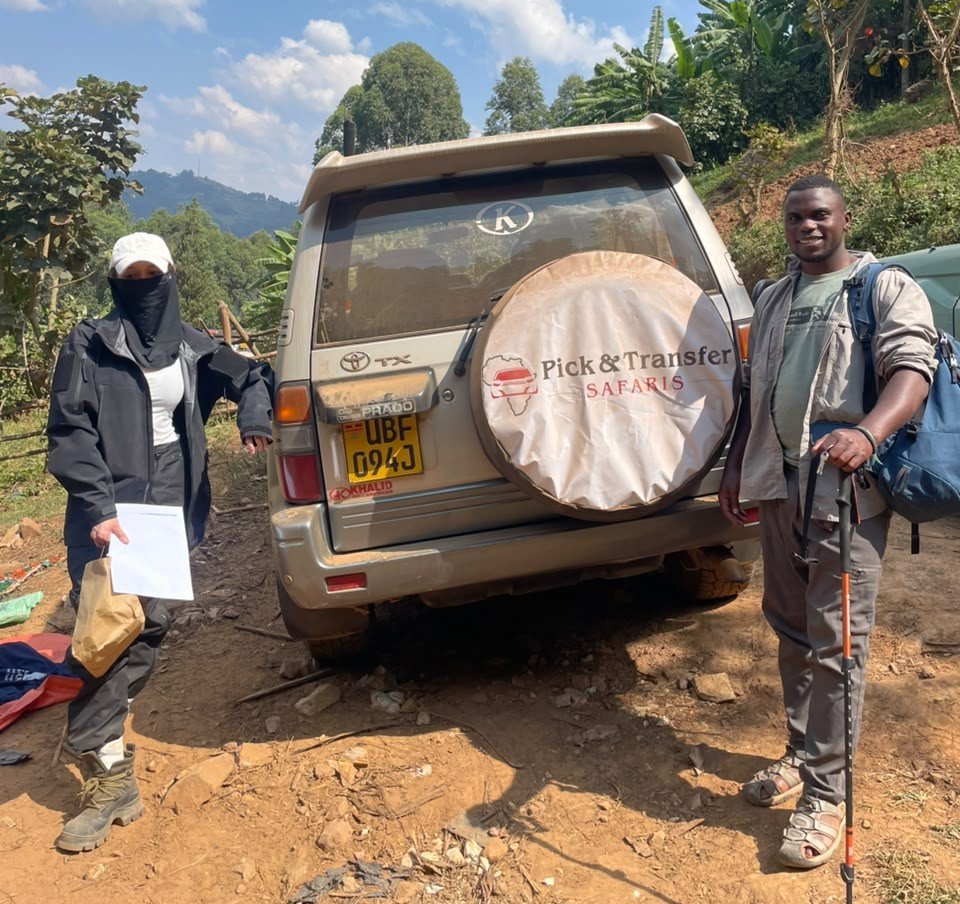
7 Days Uganda Safari – One week tour
This 7-day itinerary is the classic one-week introduction to Uganda, covering the country’s three most iconic wildlife experiences: chimpanzee tracking in Kibale Forest National Park, Big Five game drives and a boat cruise in Queen
Tour Details →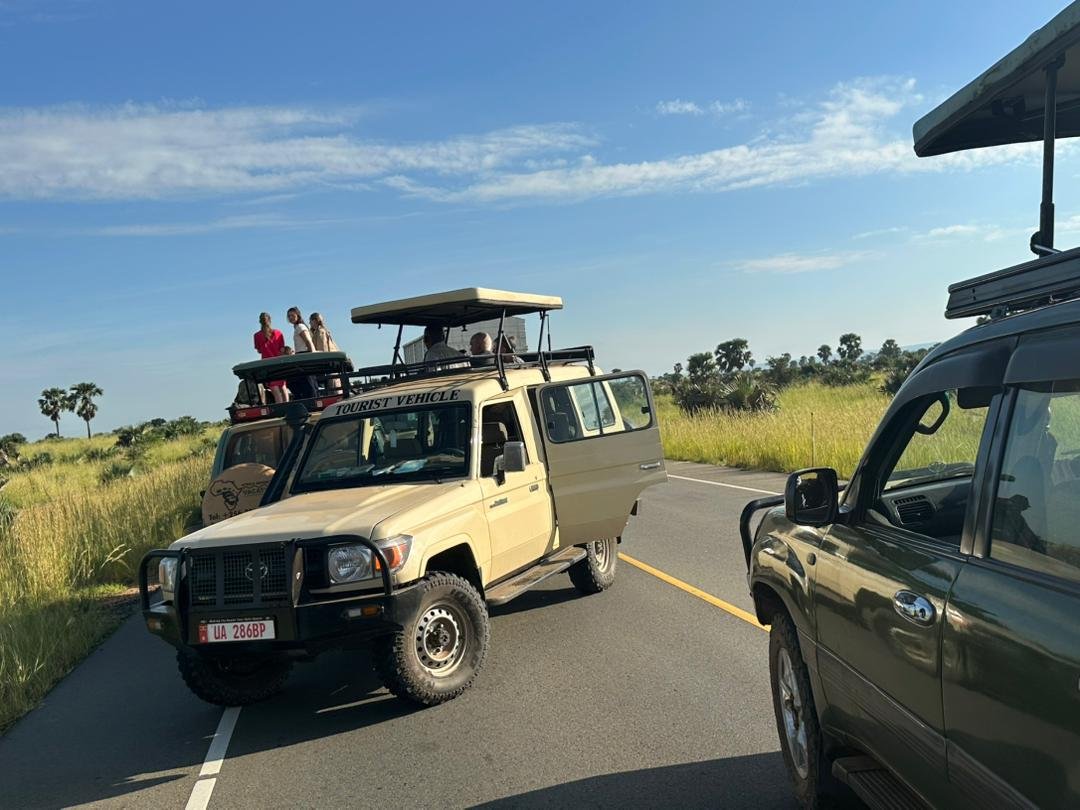
10 Days Uganda Primates and Wildlife
This 10-day Uganda Grand Safari is the most complete Uganda itinerary we offer at Pick and Transfer Safaris. It begins with a scenic northward drive from Entebbe to the vast open plains of Murchison
Tour Details →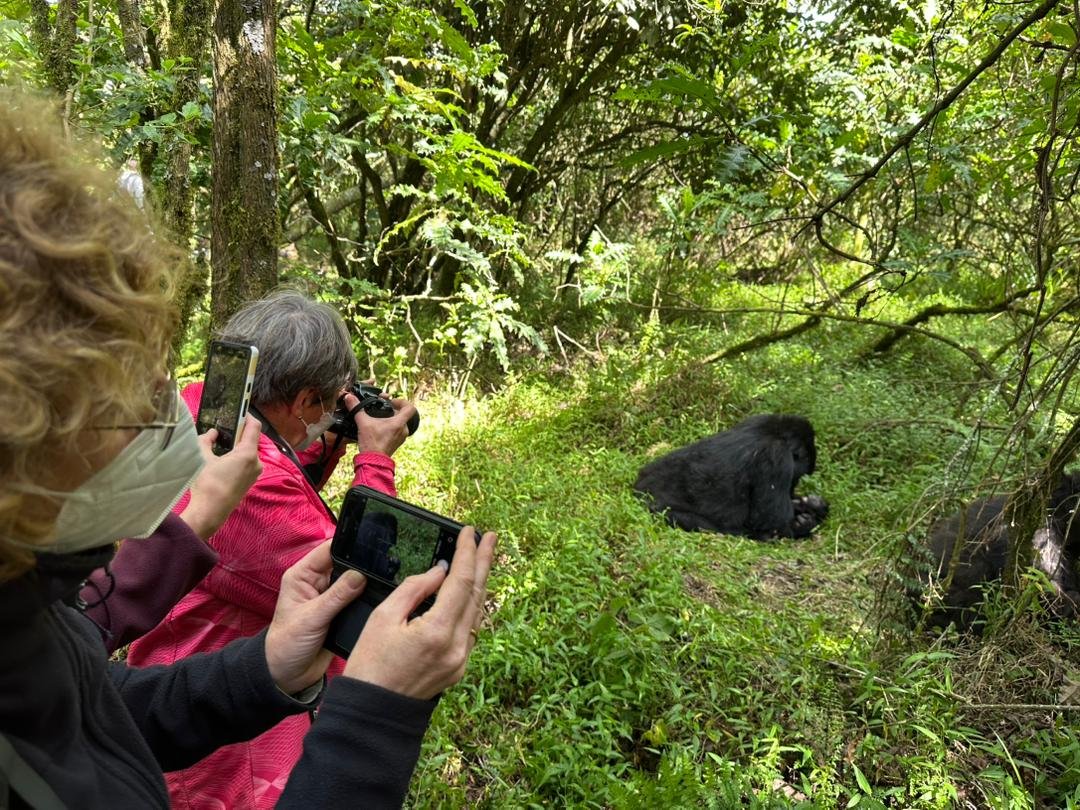
2 Days Uganda Gorilla Tour Starting from Kigali
This is the gentler cousin of our 1-Day Uganda Gorilla Safari Starting from Kigali — same idea, twice the breathing room. Instead of squeezing a 3,000-metre forest trek and two border crossings into a single very long day
Tour Details →
5-Day Uganda Gorilla and Chimpanzee Safari
This itinerary can be combined with a Rwanda extension or a wildlife-focused add-on through Queen Elizabeth National Park — browse our Uganda & Rwanda Safaris and Primate Safaris collections for ideas.
Tour Details →
5 Days Rwanda Wildlife and Gorillas
This 5-day itinerary brings together Rwanda’s two flagship wildlife experiences: open savannah game drives and a boat safari in Akagera National Park, followed by a face-to-face encounters
Tour Details →
3 Days Uganda Gorilla Safari
For travelers who arrive in Entebbe with a tight schedule and a clear ambition, a 3-day gorilla safari to Bwindi Impenetrable Forest National Park is the most focused and rewarding short trip the country has to offer.
Tour Details →