- LET'S PLAN YOUR SAFARI
- +256 200 921 002
- +256 793 194 703
- info@pickandtransfersafaris.com

One Day Gorilla Trek Trip in Uganda
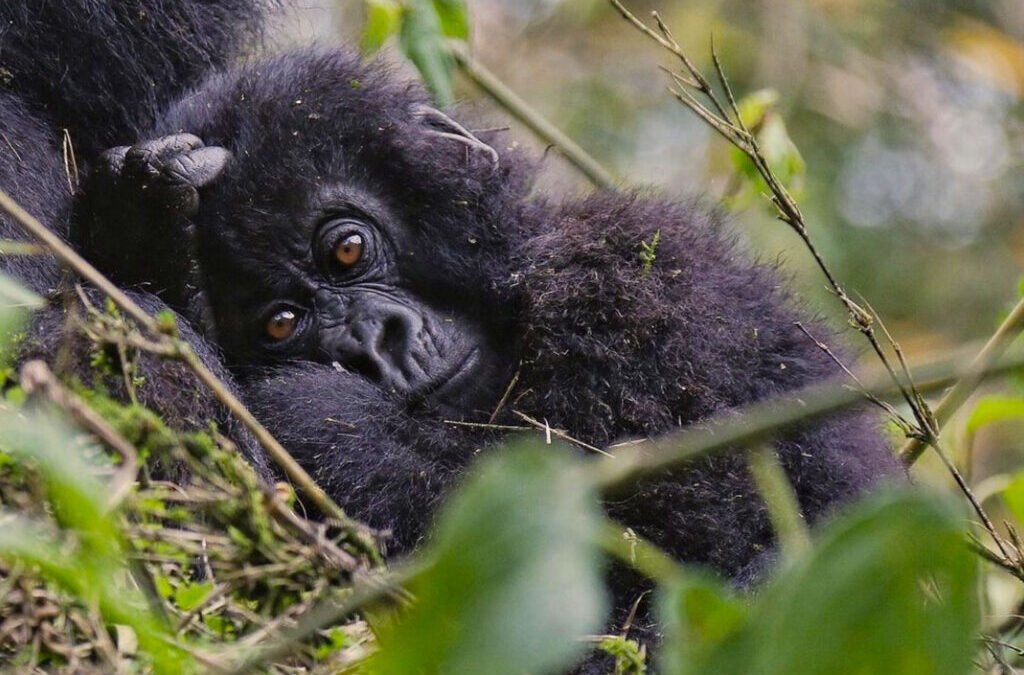
A one day gorilla trek trip in Uganda lets you leave Kigali before dawn, spend a full hour with a wild mountain gorilla family, and be back in the Rwandan capital the same night. For travellers on a tight schedule, it is the fastest and most affordable way to see the world’s most endangered great apes in their natural forest home.
Uganda protects roughly half of the planet’s remaining mountain gorillas, spread across Bwindi Impenetrable Forest National Park and Mgahinga Gorilla National Park. Both parks sit in the far southwest of the country, close to the Rwandan border. That geography is exactly what makes a single-day gorilla adventure possible.
Most people assume Uganda’s gorillas require a long drive from Entebbe. In reality, the southern Bwindi sectors and Mgahinga are only three to four hours by road from Kigali International Airport. Fly into Kigali, cross the border at Cyanika or Katuna, trek in the morning, and return in the evening.
This guide covers everything you need to plan the trip with confidence. You will find an hour-by-hour itinerary, permit prices, border and visa rules, the best trekking sectors for a day trip, a packing list, fitness advice, and answers to the questions travellers ask us most. If you already know you want to go, our One Day Uganda Gorilla Safari Starting from Kigali package bundles transport, guide and permit into one booking.
The one-day format suits business travellers attending conferences in Kigali, backpackers watching their budget, cruise and stopover passengers with limited days, and anyone who wants the gorilla experience without paying Rwanda’s higher permit fee. It is a long day, but for many travellers it becomes the highlight of their entire trip to Africa.
What a One Day Gorilla Trek in Uganda Actually Involves
A one-day gorilla trek is a same-day return trip: pickup in Kigali (or Kisoro or Kabale), a cross-border drive into Uganda, a guided trek to a habituated gorilla family, one hour of observation, and the drive back. There is no overnight stay, so you save on lodge costs and need only a single free day.
The heart of the day is the trek itself. After a ranger briefing at the park office, a group of no more than eight visitors sets off with an armed ranger guide and trackers. The trackers leave early to locate the family from where it nested the night before. Depending on how far the gorillas moved, you may reach them in 45 minutes or spend four hours climbing steep, muddy forest slopes.
Once you find the family, the clock starts. You get exactly one hour to watch silverbacks feed, mothers nurse infants, and juveniles tumble through the undergrowth, keeping a distance of about seven metres. Then you hike back to the trailhead, collect your trekking certificate, and meet your driver for the return journey.
Who Organises the Day
You can arrange each part yourself, but most travellers book through a ground operator who handles the permit, the 4×4 vehicle, the driver-guide, border paperwork and timing. Timing matters more than anything on a one-day trip, because rangers start the briefing at a fixed hour and late arrivals can lose their slot.
A reputable operator will also choose the right trekking sector for a same-day return. Regional operators such as Kenlink Tours run a comparable 1-day Uganda gorilla safari from Rwanda, which shows how established this short format has become. With Pick and Transfer Safaris, the permit, vehicle, guide and border support are all included in a single quote.
Starting Points Other Than Kigali
Kigali is the most popular start, but not the only one. Travellers already in southwestern Uganda can join a one day gorilla trek starting from Kisoro town or a one day gorilla trek starting from Kabale. Both options mean a later wake-up, a shorter drive and a more relaxed morning before the briefing.
Why Start Your Uganda Gorilla Trek from Kigali
Starting from Kigali cuts the road journey to Uganda’s gorillas roughly in half and makes a same-day trek realistic. From Entebbe, the drive to Bwindi takes eight to ten hours each way, which rules out a day trip entirely.
Kigali International Airport is well connected to Europe, the Middle East and the rest of Africa. The city is safe, clean and easy to navigate, and the roads toward the Ugandan border are smooth tarmac. For a detailed side-by-side of the two gateways, read our guide to Kigali vs Entebbe for gorilla trekking.
Approximate Drive Times from Kigali
| Destination | Border used | Approx. one-way drive |
|---|---|---|
| Mgahinga Gorilla National Park | Cyanika | 3 to 3.5 hours |
| Bwindi – Rushaga sector | Cyanika | 4 hours |
| Bwindi – Nkuringo sector | Cyanika | 4 to 4.5 hours |
| Bwindi – Ruhija sector | Katuna | 4.5 to 5 hours |
| Bwindi – Buhoma sector | Katuna | 5 to 6 hours |
Times vary with border queues, weather and road works, so treat them as planning estimates rather than guarantees.
Why Choose Uganda Instead of Rwanda for a One Day Trek
Rwanda’s Volcanoes National Park is closer to Kigali, roughly two and a half hours away, so it is the obvious alternative. The difference is price. A Rwanda gorilla permit costs US$1,500, while a Uganda permit costs US$800 for foreign non-residents, a saving of US$700 per person. Our breakdown of Rwanda vs Uganda gorilla trekking cost explains the full numbers.
Uganda also offers more habituated gorilla families, which usually makes permits easier to secure at short notice. Bwindi’s ancient rainforest has a raw, wild character that many repeat visitors prefer. If you still lean toward Rwanda, compare our Volcanoes National Park guide with Kenlink Tours’ overview of Volcanoes National Park before deciding.
For couples or families, the permit saving alone can cover the cost of the entire transfer, guide and vehicle, and still leave money for an extra night elsewhere on your trip.
Hour-by-Hour Itinerary for a One Day Gorilla Trek from Kigali
The day runs roughly 18 hours, from a 3:00 am pickup to a late-evening drop-off in Kigali. Here is how a typical trek to Rushaga or Mgahinga unfolds.
3:00 am – Early Pickup in Kigali
Your driver-guide collects you from your hotel or Kigali airport in a comfortable 4×4 safari vehicle. Bring the packed breakfast your hotel prepares, plus water and snacks. The roads are quiet, so most travellers doze through the first leg north toward Musanze.
5:30 am – Crossing the Cyanika Border
You reach the Rwanda–Uganda border at Cyanika as it opens. Exit Rwanda, walk a few metres, and complete Ugandan immigration with your passport, visa and yellow fever certificate. Your guide handles vehicle paperwork. On a normal morning the crossing takes 20 to 40 minutes.
6:30 am – Drive to the Park Through Kisoro
From the border, the road winds through Kisoro, with the Virunga volcanoes of Muhabura, Gahinga and Sabyinyo rising above the terraced hills. Mgahinga is about 30 minutes from Kisoro; Rushaga is roughly an hour and a half on a scenic murram road.
7:30 am – Ranger Briefing
At the park office you register, show your permit and passport, and join the briefing. Rangers explain gorilla etiquette, health rules and what to expect on the trail. You can see what is covered in our article on the gorilla tracking briefing in Bwindi. This is also the moment to hire a porter and pick up a walking stick.
8:00 am to 1:00 pm – The Gorilla Trek
Your group of up to eight enters the forest with the ranger guide. The search takes anywhere from 45 minutes to several hours. When you reach the family, you spend one unforgettable hour observing them, then begin the hike out.
1:00 pm to 2:30 pm – Certificate and Lunch
Back at the trailhead you receive your gorilla trekking certificate. A packed lunch or a quick meal at a nearby lodge restores your energy before the return.
2:30 pm to 9:00 pm – Return to Kigali
You retrace your route to Cyanika, clear both border posts again, and drive back to Kigali. Most travellers arrive between 8:00 pm and 10:00 pm, depending on trek length and border traffic. Your guide drops you at your hotel or the airport for an onward flight; if you plan a late flight, leave at least a three-hour buffer.
Longer treks push every later step back, so we always recommend keeping the evening after a one-day trek free of commitments.
What Your Hour with the Mountain Gorillas Feels Like
The moment you reach the gorillas is quieter than most people expect. The trackers signal ahead, the ranger asks you to set down your bags and walking sticks, and you step forward with only your camera. Then, through a gap in the leaves, a black shape shifts and a pair of amber eyes looks straight back at you.
A silverback can weigh more than 160 kilograms, yet he usually ignores visitors entirely and carries on eating. Gorillas spend much of the day feeding on leaves, stems, wild celery and bamboo shoots, so you will hear constant chewing and the snap of branches. Mothers cradle tiny infants against their chests, while juveniles wrestle, beat their chests and somersault down the slope as if performing for the group.
Your ranger reads the family’s mood and positions the group for the best views, sometimes moving slowly with the gorillas as they forage. Occasionally a curious youngster wanders closer than seven metres; when that happens, you simply step back calmly. The deep, rumbling grunts you hear are gorillas reassuring one another that all is well.
The hour passes astonishingly fast. Many trekkers say they spend the first half filming everything, then put the camera away and simply watch. That second half, sitting in silence among a wild family in an ancient forest, is the part most people remember for the rest of their lives.
Gorilla Families You May Track on a One Day Trip
Each habituated family has its own size, personality and territory, and your permit is assigned to one of them at the briefing. In Mgahinga, every visitor tracks the Nyakagezi family, known for its several adult silverbacks and its habit of roaming across the Virunga border region.
Rushaga, the most practical Bwindi sector for a day trip, has the largest number of habituated families in the park, including well-known groups such as Nshongi, Mishaya, Kahungye, Bweza and Busingye. Having several families in one sector is exactly why permits there are easier to find. Nkuringo has fewer families but some of the most dramatic scenery in Uganda.
Rangers allocate families on the morning of the trek based on fitness, age and group size, so you cannot always choose. If you have mobility concerns, mention them at the briefing; rangers do their best to match slower walkers with families that nested closer to the trailhead.
Bwindi or Mgahinga: Choosing the Right Park for a One Day Trek
For a same-day return from Kigali, Mgahinga and Bwindi’s southern Rushaga sector are the strongest choices because they are closest to the Cyanika border. Buhoma, in the north, is usually too far for a comfortable day trip.
Mgahinga Gorilla National Park
Mgahinga is Uganda’s slice of the Virunga Conservation Area, shared with Rwanda and the Democratic Republic of Congo. It has one habituated family, Nyakagezi, which means only eight permits per day and less flexibility. In return you get dramatic volcano scenery and the shortest drive from Kigali. Kenlink Tours’ guide to Mgahinga Gorilla National Park and our own Mgahinga destination page describe the park’s bamboo zones and golden monkeys in detail.
Bwindi Impenetrable Forest National Park
Bwindi is a UNESCO World Heritage Site and home to the largest population of mountain gorillas anywhere. It is divided into four trekking sectors, each with several habituated families. For a deeper look at the forest, its birdlife and its history, see Kenlink Tours’ Bwindi Impenetrable Forest National Park guide.
Which Bwindi Sector Works Best for a Day Trip
- Rushaga – the top pick for a one-day trek. It has the most habituated families, so permits are easiest to find, and it is about four hours from Kigali via Cyanika.
- Nkuringo – a similar drive, with stunning views over the Virunga volcanoes, but the trails are among the steepest in Bwindi.
- Ruhija – reached via Katuna; higher altitude, cooler air and excellent birding, but a longer drive.
- Buhoma – the original tourism hub with the best lodge selection, but five to six hours away; better suited to a two-day trip.
Our detailed comparison of Buhoma, Nkuringo, Rushaga and Ruhija gorilla trekking covers terrain, families and lodges sector by sector.
In practice, your operator books whichever park and sector has permits available on your date, then plans the departure time around it. Booking early gives you the widest choice.
Gorilla Permits and the Total Cost of a One Day Trek
The gorilla permit is the single biggest cost of the day. Permits are issued by the Uganda Wildlife Authority (UWA) and are valid for one trek, in one sector, on one date.
Uganda Gorilla Permit Prices
| Visitor category | Gorilla trekking permit |
|---|---|
| Foreign non-residents | US$800 |
| Foreign residents in East Africa | US$700 |
| East African citizens | UGX 300,000 |
| Gorilla habituation experience (foreign non-residents) | US$1,500 |
Prices reflect UWA’s published rates at the time of writing; always confirm the current tariff when you book, because UWA reviews fees periodically.
How to Secure Your Permit
Permits must be paid in full to be confirmed, and only eight are sold per gorilla family per day. In peak months (June to September and December to February) the closest sectors to Kigali sell out weeks ahead. Our step-by-step guide on how to buy a gorilla permit in Uganda explains the process, including what details you need to send.
Most travellers let their operator purchase the permit. The operator checks availability across sectors, books the one that best fits a same-day return, and sends you a scanned copy. Bring that copy and your passport, since names must match exactly.
What a One Day Gorilla Trek Costs in Total
Beyond the permit, the package price covers the private 4×4 vehicle, fuel, an English-speaking driver-guide, border assistance and bottled water. The per-person cost falls as group size rises, because the vehicle cost is shared.
As a rough guide, a solo traveller can expect a total in the region of US$1,250 to US$1,500 including the US$800 permit, while two or more people sharing a vehicle pay noticeably less each. For a full breakdown, read how much a 1-day gorilla trekking tour from Kigali costs.
Costs Not Usually Included
- Uganda visa or East Africa Tourist Visa
- Porter fee, typically around US$15 to US$20, plus a tip
- Tips for rangers and your driver-guide
- Lunch at a lodge, if not packed
- Travel insurance and personal items
Hiring a porter is one of the best decisions you can make. It eases a steep climb and directly supports families living around the park.
Border Crossing, Visas and Travel Documents
Crossing from Rwanda into Uganda by road is routine, but a one-day trek leaves no room for paperwork surprises. Sort your visa before you travel and carry every document in a waterproof pouch.
Cyanika or Katuna: Which Border Will You Use?
Cyanika, north of Musanze, is the gateway to Kisoro, Mgahinga, Rushaga and Nkuringo. It is quieter and usually faster. Katuna (called Gatuna on the Rwandan side) serves Kabale, Ruhija and Buhoma and handles heavy cargo traffic, which can slow things down. Our guide to Cyanika and Katuna borders compares opening hours, queues and routes.
Which Visa Do You Need?
Most visitors need a visa for both Rwanda and Uganda. The most practical option is the East Africa Tourist Visa, which costs US$100 and covers Uganda, Rwanda and Kenya for 90 days with multiple crossings between them. It is ideal for a one-day trek because you exit and re-enter Rwanda on the same day.
If you only hold a single-entry Rwandan visa, you will need a new one to return to Kigali, so check carefully. Rules differ by nationality, and many African and Commonwealth citizens enter visa-free. Read our explainer on whether you need a visa to cross from Rwanda to Uganda and confirm with the official immigration portals before you fly.
Documents to Carry on the Day
- Passport valid for at least six months, with blank pages
- Printed visa approval or East Africa Tourist Visa
- Yellow fever vaccination certificate (mandatory for Uganda)
- Gorilla permit copy, with names matching your passport
- Some cash in US dollars (notes printed 2013 or later) for porters and tips
Your driver-guide knows both posts well and handles the vehicle’s cross-border documents, so in practice the crossing is simple. Arriving with everything in order is what keeps it quick.
Fitness, Gorilla Trekking Rules and Etiquette
You do not need to be an athlete, but you should be able to walk uphill for two to four hours on uneven, slippery ground at altitudes between about 1,600 and 2,600 metres. A one-day trip adds long hours in a vehicle, so stamina matters as much as strength.
How to Prepare Physically
Start walking regularly four to six weeks before you travel, ideally on hills or stairs, and break in your boots. Sleep well the night before your pickup, eat a solid breakfast in the vehicle, and drink water steadily all day. If you have heart, knee or breathing concerns, speak to your doctor first.
On the trail, a walking stick and a porter make a huge difference. Rangers set a pace for the slowest walker and stop often. Tell your guide at the briefing if you need an easier group; rangers try to assign closer families to less mobile trekkers. Kenlink Tours’ page on gorilla trekking adventures shares further tips, including advice for older travellers.
Minimum Age and Health Rules
The minimum age for gorilla trekking in Uganda is 15 years, with no exceptions for younger children. Our article on the minimum age for gorilla trekking explains why. Gorillas share about 98 percent of our DNA and catch human illnesses easily, so anyone with a cold, flu or other contagious illness may be refused entry on the day.
Gorilla Etiquette on the Trek
- Keep at least seven metres from the gorillas at all times.
- Wear a face mask when instructed by your ranger.
- Speak quietly and avoid sudden movements.
- Never use flash photography.
- Do not eat, drink or smoke near the gorillas.
- If a gorilla charges, stay still, crouch slowly and look down; follow the ranger.
- Stay with your group and never leave litter in the forest.
- Turn away and cover your mouth if you need to cough or sneeze.
These rules protect both you and the gorillas, and they keep this rare experience sustainable for future visitors.
What to Pack for a One Day Gorilla Trek
Pack light but smart: everything you need fits in a small daypack, and a porter can carry it on the steep sections. The forest is wet, muddy and full of stinging nettles, so long sleeves and sturdy footwear matter more than anything else.
Clothing
- Waterproof, ankle-supporting hiking boots that are already broken in
- Long trousers, ideally quick-drying, tucked into long socks
- A long-sleeved shirt to protect against nettles, thorns and insects
- A lightweight rain jacket, since showers are possible in any month
- A warm fleece or layer for the cold pre-dawn drive and higher altitudes
- Gardening or cycling gloves for gripping vines and branches
- A hat or cap
Gear and Essentials
- Small waterproof daypack or a rain cover for your bag
- At least two litres of drinking water
- High-energy snacks and your packed lunch
- Camera with a spare battery and memory card (no flash)
- Insect repellent and sunscreen
- Face mask, usually required near the gorillas
- Hand sanitiser and tissues
- Any personal medication
- A change of dry clothes and shoes to leave in the vehicle
That last item is a small luxury that makes the long drive back to Kigali far more comfortable. Our gorilla tours packing list for Mgahinga trekking goes into more detail, and the advice applies equally to Bwindi.
What to Leave Behind
Leave bulky luggage at your Kigali hotel, since you return the same night. Avoid bright colours and strong perfumes, which can unsettle wildlife. Drones are not permitted in Uganda’s national parks without special authorisation.
Best Time for a One Day Gorilla Trek Trip in Uganda
Gorilla trekking runs every day of the year, but the dry seasons from June to September and December to February offer the easiest trails and the most reliable road conditions for a same-day return. Gorillas do not migrate, so your chance of seeing them is excellent in any month.
Dry Season: June to September and December to February
Trails are firmer, rain showers are shorter, and the roads from Cyanika and Katuna stay in good condition. This matters on a one-day trip, because a muddy road can add an hour to the return drive. The trade-off is demand: permits for Rushaga and Mgahinga sell out early, so book two to three months ahead if you can.
Wet Season: March to May and October to November
The rainy months bring lush green forest, fewer visitors and better permit availability, sometimes even at short notice. Gorillas often stay lower on the slopes when food is plentiful, which can shorten treks. Expect slippery trails, so good boots, gloves and a porter become essential. Rain usually falls in heavy afternoon bursts rather than all day.
Planning Around Your Travel Dates
The best time to trek is ultimately whenever your schedule allows, which is the whole point of the one-day format. Start early whatever the season, carry rain gear year-round, and let your operator monitor road conditions the week before your trek.
Extending Your One Day Gorilla Trek: Two-Day, Three-Day and Longer Options
If you can spare one extra night, a two-day trip removes the 3:00 am start and the late return, and lets you relax at a lodge after your trek. Many travellers who first enquire about a one-day trek switch once they see the difference in comfort.
Two-Day Gorilla Trek from Kigali
On day one you drive to the park at a relaxed pace and overnight near the trailhead. On day two you trek, then return to Kigali. Our 2 Days Uganda Gorilla Tour Starting from Kigali follows this pattern, and Kenlink Tours offers a similar 2-day Uganda gorilla safari starting from Kigali. This option also opens up Buhoma, which is too far for a single day.
Three-Day Gorilla Safari with Culture or Lake Bunyonyi
A third day lets you add a Batwa cultural visit, a canoe trip on Lake Mutanda, or a night on the islands of Lake Bunyonyi. See our 3 Days Uganda Gorilla Safari from Rwanda, or compare Kenlink Tours’ 3-day Bwindi gorilla safari starting from Kigali. For ideas around Mgahinga, Kenlink Tours lists things to do in Kisoro after gorilla trekking, and our guide to hotels in Kisoro town helps you choose a base.
Golden Monkeys, Wildlife and Chimpanzees
With four or five days, combine gorillas with golden monkey tracking, tree-climbing lions in Queen Elizabeth National Park, or chimpanzees in Kibale Forest. Kenlink Tours’ 4-day Rwanda–Uganda golden monkey and gorilla trekking and 5-day Uganda gorilla and wildlife safari from Rwanda show how these combinations flow, and their Queen Elizabeth National Park guide covers the savannah side. Our own 5 Days Uganda Gorilla and Chimps Safari starting from Rwanda pairs both great apes in one well-paced week.
Gorilla Habituation: Four Hours Instead of One
If one hour feels too short, the gorilla habituation experience in Rushaga lets you spend up to four hours with a family still being introduced to humans. It costs more and is harder to fit into one day. Read gorilla habituation vs gorilla trekking to decide which suits you, and see what to do after a gorilla tour in Bwindi for post-trek ideas. Browse more itineraries on Kenlink Tours’ Uganda safaris page.
Frequently Asked Questions About a One Day Gorilla Trek in Uganda
Is a one day gorilla trek in Uganda really possible?
Yes. Starting from Kigali, Kisoro or Kabale, you can trek in Mgahinga or Bwindi’s southern sectors and return the same day. It is a long day of roughly 16 to 18 hours from Kigali, but thousands of travellers complete it every year.
How long is the drive from Kigali to the gorillas in Uganda?
About three to three and a half hours to Mgahinga and around four hours to Rushaga via the Cyanika border. Buhoma takes five to six hours via Katuna, which is why it suits a two-day trip better.
Am I guaranteed to see gorillas?
No wildlife sighting is ever guaranteed, but habituated families are tracked daily and success rates in Uganda are above 95 percent. Trackers locate the family before your group sets off.
How much time do I spend with the gorillas?
Exactly one hour once your group reaches the family. If you want longer, consider the four-hour gorilla habituation experience in Rushaga.
What happens if my trek is very long?
Your return to Kigali will be later. Your driver-guide waits at the trailhead regardless of trek length, so you are never left behind. Avoid booking an evening flight on your trek day.
Can I book a one day trek at short notice?
Often yes, especially in the wet season, because Uganda has many habituated families. In peak months, last-minute permits for the closest sectors can be scarce, so contact us as early as possible.
Is gorilla trekking in Uganda safe?
Yes. Treks are led by experienced, armed UWA rangers, and the gorillas are habituated to human presence. The border regions used for these trips are calm and well travelled by tourists.
Can I see golden monkeys on the same day?
Not usually. Golden monkey tracking in Mgahinga starts at the same morning time as gorilla trekking, so combining both needs at least two days.
Do I need a yellow fever vaccination?
Yes. Uganda requires a valid yellow fever certificate for entry, and border officials check it at Cyanika and Katuna.
How much should I tip on a gorilla trek?
Tipping is voluntary but appreciated. Many trekkers give around US$10 to US$20 per person to the ranger team, US$5 to US$10 on top of the porter fee, and a separate tip to their driver-guide at the end of the day, depending on the service received.
Can older travellers do a one day gorilla trek?
Yes, there is no upper age limit. Fit travellers in their sixties and seventies trek regularly. A porter, a walking stick and a request at the briefing for a closer family make the day far more manageable, though the long drive should be factored in.
Can I take photos and videos of the gorillas?
Yes, photography and filming are allowed during your hour, as long as the flash is switched off. Professional filming crews need separate permission from the Uganda Wildlife Authority.
How Your Gorilla Trek Supports Conservation
Every permit you buy pays directly for the protection of mountain gorillas. Permit revenue funds ranger patrols, anti-poaching work, veterinary monitoring and the daily tracking that keeps each family safe. Thanks to decades of this work, mountain gorillas are one of the few great ape populations that are growing rather than shrinking.
A share of park revenue also goes to communities bordering Bwindi and Mgahinga, funding schools, clinics and roads. When local families benefit from tourism, protecting the forest makes sense for everyone. Hiring a porter, buying crafts from community cooperatives, and tipping your guides fairly all extend that benefit further.
You can help by following every rule your ranger gives you, staying home if you feel unwell, and choosing operators who employ local guides and respect park regulations. A responsible one-day trek leaves nothing behind but footprints and takes away a lifelong memory.
Tips to Get the Most from Your One Day Gorilla Trek
- Book the permit first. Everything else in the day is built around the sector and date on your permit.
- Choose the closest park. Mgahinga or Rushaga keep the return drive manageable.
- Sleep early the night before. A 3:00 am start feels far easier after a proper rest.
- Hire a porter. It costs little, helps you enjoy the climb, and supports local families.
- Keep your camera ready but quiet. Switch off the flash and use a fast shutter speed in the dim forest light.
- Put the camera down for a few minutes. The memory of simply watching a silverback is the part you will treasure most.
- Keep the evening free. Long treks mean late returns, so avoid dinner reservations or flights on trek day.
Why Book Your One Day Gorilla Trek with Pick and Transfer Safaris
We specialise in gorilla trips that start in Kigali and cross into Uganda, so the one-day format is our everyday work rather than an occasional request. Our driver-guides know the Cyanika and Katuna posts, the fastest routes to each sector, and the exact timing needed to reach the briefing on schedule.
We secure your permit with the Uganda Wildlife Authority, provide a well-maintained 4×4 safari vehicle, and keep you updated from enquiry to drop-off. Private departures are standard, so your vehicle leaves when you are ready and waits for you however long your trek takes. Travellers who want more time can upgrade to a two-day or three-day itinerary at any point before travel.
Book Your One Day Gorilla Trek Trip in Uganda Today
A one day gorilla trek trip in Uganda proves that you do not need weeks in Africa to meet mountain gorillas. With an early start, a good guide and a valid permit, you can trade a single day for a memory that lasts a lifetime, and save hundreds of dollars compared with trekking in Rwanda.
Permits in the sectors closest to Kigali are limited, so the sooner you book, the more choice you have. Explore our One Day Uganda Gorilla Safari Starting from Kigali itinerary, then contact Pick and Transfer Safaris with your travel dates and group size. We will check permit availability, recommend the best park and sector for your schedule, and send you a clear, all-inclusive quote.
Your hour with the gorillas is waiting in the misty forests of southwestern Uganda.