- LET'S PLAN YOUR SAFARI
- +256 200 921 002
- +256 793 194 703
- info@pickandtransfersafaris.com

1 Day Uganda Gorilla Trekking Tour from Kigali
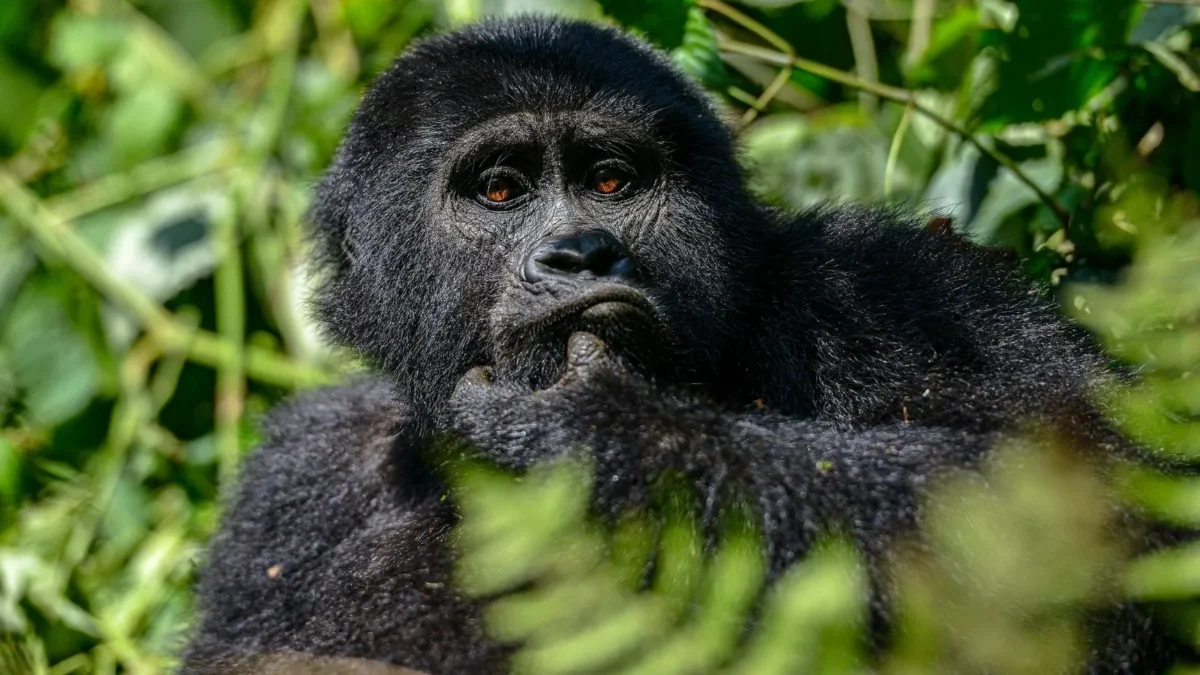
1 Day Uganda Gorilla Trekking Tour from Kigali. If you have narrowed your search down to a single question — what exactly happens, what does it cost, and how do I book it — this page answers all three directly. The 1-Day Uganda Gorilla Trekking Tour from Kigali is a same-day round trip that takes you from Kigali across the Cyanika border into Uganda, face to face with a mountain gorilla family in Mgahinga Gorilla National Park, and back to your Kigali hotel that same night. Below is the exact hour-by-hour itinerary, a full breakdown of what it costs in 2026, and a step-by-step guide to booking it — written specifically for travelers who already know they want this trip and simply need the practical details confirmed before paying a deposit. If you would rather skip straight to booking, our 1-Day Uganda Gorilla Safari from Kigali package page has everything set up and ready to confirm.
What’s Included in This 1-Day Tour at a Glance
Before the detail, the short version: one gorilla permit, private round-trip 4×4 transport with an English-speaking driver-guide, fuel, drinking water, a packed breakfast and lunch, and all government taxes — starting from USD 1,100 per person. Not included: Uganda and Rwanda visa fees, travel insurance, tips, personal expenses, and accommodation in Kigali. The tour departs and returns to Kigali on the same calendar day, with no hotel booking required in Uganda at all.
Full Itinerary: Hour-by-Hour Schedule
| Time | What Happens |
|---|---|
| 03:00 – 03:30 | Pickup from your Kigali hotel or Kigali International Airport |
| 03:30 – 06:30 | Private drive toward the Cyanika border, packed breakfast served en route |
| 06:30 – 07:00 | Cyanika border crossing and immigration formalities |
| 07:00 – 07:30 | Short drive to Mgahinga National Park headquarters at Ntebeko |
| 07:30 – 08:00 | Registration and ranger briefing |
| 08:00 – 13:00 | Gorilla trek with the Nyakagyezi family, including the one-hour gorilla encounter |
| 13:00 – 14:00 | Packed lunch near park headquarters |
| 14:00 – 18:00 / 19:00 | Private drive back to Kigali via Cyanika, arriving in the evening |
Total time door-to-door runs 14 to 16 hours on a typical day, occasionally longer if the gorilla family has moved further from the trailhead. For a deeper look at how this timeline can shift, our page on trekking gorillas and driving back to Kigali in one day covers the full range of scenarios.
Where You’ll Trek: Mgahinga Gorilla National Park
This particular one-day tour is built around Mgahinga Gorilla National Park rather than Bwindi, specifically because Mgahinga sits closest to the Cyanika border — roughly three hours’ drive each way from Kigali — which is what makes a genuine same-day round trip realistic. Mgahinga has one habituated gorilla family, the Nyakagyezi group, and permits are capped at eight visitors per day, so this itinerary depends on securing one of a genuinely limited number of daily slots. See our full Mgahinga Gorilla National Park destination page for background on the park itself, and Kenlink Tours’ notes on the accommodation near Mgahinga if you decide later that an overnight stay makes more sense than rushing back.
Meeting Point and Pickup in Kigali
Pickup is arranged directly from your Kigali hotel or from Kigali International Airport if you are arriving that same morning — though we strongly recommend arriving the evening before rather than stepping off a flight straight into a 3 a.m. departure. Confirm your exact pickup address and time with your driver the night before, since Kigali’s early-morning traffic is minimal but hotel access and gate procedures can vary. Our Kigali versus Entebbe for gorilla trekking comparison explains why Kigali specifically is the right starting point for this exact itinerary.
The Cyanika Border Crossing
Roughly three hours into the drive, you’ll cross from Rwanda into Uganda at the Cyanika border post, a smaller and less congested crossing than Rwanda’s larger posts, generally taking 20 to 45 minutes with your documents in order. Your driver-guide handles the vehicle-side paperwork; you’ll need your passport, visa, and yellow fever certificate ready for the immigration desk. Our page on crossing through Cyanika from Kigali and our Cyanika versus Katuna comparison cover this step in more depth, and Kenlink Tours’ visa and border crossing guide for Uganda and Rwanda is worth reading before you travel.
Arrival and Ranger Briefing at Ntebeko
After the border, it’s a short 30-minute drive to Mgahinga’s Ntebeko park headquarters, where you’ll register, meet your ranger team, and receive the standard pre-trek briefing — trail etiquette, the seven-metre distance rule, and what to expect from the terrain that day. This is also when porters are assigned if you have arranged one, which we recommend regardless of fitness level, both for the practical help on steep sections and because the fee supports the local community directly.
The Gorilla Trek Itself
From Ntebeko, the walk to find the Nyakagyezi family can take anywhere from 30 minutes to several hours over volcanic terrain, depending on where the group has ranged that morning. Once located, you get a strict one hour with the gorillas — watching them feed, rest, or interact at a respectful distance under ranger supervision — before heading back to the trailhead. This hour is identical whether you’re on a one-day tour or a relaxed multi-day safari; the only difference this itinerary changes is everything around it.
Lunch and the Return Journey
After the trek, a packed lunch is served near park headquarters before the return drive begins, retracing the route back through Cyanika into Rwanda. Expect to be back at your Kigali hotel between 6 and 8 p.m., depending on how long the trek itself ran and how smoothly the second border crossing goes. We strongly advise against booking an evening flight out of Kigali on the same day — build in at least a buffer of a few hours, or ideally an overnight stay, before any onward travel.
Meals and Dietary Requirements on Trekking Day
A packed breakfast is served during the pre-dawn drive to the border, and a packed lunch is provided near park headquarters after the trek — both included in the tour price. If you have vegetarian, vegan, or allergy-related requirements, flag these when you book rather than on the morning of departure, since packed meals for a remote trekking day are prepared in advance and options are more limited than at a hotel restaurant. Bottled water is provided throughout the drive and the trek itself; bring an extra bottle of your own if you tend to need more than average, since there is no opportunity to restock between the border and your return to Kigali.
Physical Fitness Needed for This Tour
Beyond the trek itself, this itinerary asks a lot of your body simply through its length — an 18-to-20-hour day combining a pre-dawn start, roughly six hours of driving, and a hike that can run from 30 minutes to several hours over steep volcanic terrain. A reasonable, general level of fitness is enough for most travelers, but this is not the tour to attempt if you are recovering from a recent illness or injury, or if you know from experience that long car journeys leave you drained before the main activity even starts. Hiring a porter at Ntebeko is worth doing regardless of fitness level — beyond the physical help on demanding sections, the fee goes directly to the local community.
Payment Methods and Currency
Deposits and balance payments are typically handled by bank transfer or card payment in advance of your travel dates, while on-the-day expenses — tips, porter fees, and any incidentals — should be carried in cash, ideally US dollars in reasonably new, undamaged notes. ATM access disappears almost entirely once you leave Kigali and cross into the rural stretch around Cyanika and Ntebeko, so withdraw or exchange what you’ll need before departure rather than assuming you can top up along the way.
Group Size Limits and Availability in Detail
Because Mgahinga’s single habituated family caps daily permits at eight visitors, this tour is realistically booked by solo travelers, couples, and small groups rather than large parties. If you are traveling with a bigger group, some members may need to be split across Mgahinga and a nearby Bwindi sector on the same date, or the group may need to book well in advance to secure enough permits together. Confirm your exact group size when requesting a quote so we can check whether all permits can be secured for the same date before you commit to travel plans.
Photography and What You Can Bring Into the Park
Cameras and phones are welcome on the trek, but flash photography is prohibited around the gorillas, and large tripods or professional filming rigs generally require prior clearance from the Uganda Wildlife Authority. Given the strict one-hour limit with the gorillas, it’s worth deciding in advance whether you want to prioritize photos or simply be present, since trying to do both fully in a tightly timed hour is harder than it sounds. Only a daypack goes with you on the trek itself; anything not needed for the walk stays in the vehicle at Ntebeko.
Adding Golden Monkey Tracking or a Volcano Hike
Because this specific itinerary is built around a single calendar day, it does not include golden monkey tracking or a volcano hike — both worthwhile activities available in Mgahinga, but each requiring additional time that this schedule simply doesn’t have. If either interests you, the more realistic way to include them is to extend the trip by a night or two rather than trying to add them onto this same day. Our page on combining gorilla trekking with golden monkeys in Mgahinga shows how that extended version looks.
What If the Weather Delays Your Crossing?
Rain on the unpaved stretch near Ntebeko, or an unusually busy morning at Cyanika, can add delay to a schedule that has little built-in slack. Your driver-guide will adjust the day’s pacing where possible, but a significant delay can mean a later return to Kigali than planned — one more reason to avoid booking a same-day onward flight and to make sure your travel insurance covers trekking-related schedule disruptions. Dry season travel (June–September, December–February) reduces this risk meaningfully compared to the wetter months.
How This Tour Differs From a Multi-Day Gorilla Safari
The gorilla encounter itself — the trek, the ranger-led search, the hour with the family — is identical whether you book this one-day tour or a relaxed multi-day safari with lodge stays. What changes is everything around that hour: no time to explore Kisoro town, no lake excursion, no volcano hike, and a single very long day instead of a paced few days with proper rest. If comfort matters more to you than compressing the trip into one day, our 2-day Uganda gorilla tour from Kigali and longer 3-day Uganda gorilla safari from Rwanda both deliver the same core experience with considerably more breathing room.
Full Price: What This Tour Costs in 2026
The 1-Day Uganda Gorilla Trekking Tour from Kigali starts from USD 1,100 per person, built around these core costs:
- Gorilla trekking permit: USD 800 per person (Uganda Wildlife Authority non-resident rate)
- Private 4×4 transport, round trip from Kigali: roughly USD 200–400 depending on group size
- Meals (breakfast and lunch): included in the package price
- Porter fee (optional): USD 15–20, paid locally
For a broader look at how Uganda gorilla safari pricing works generally, Kenlink Tours’ guides on the price for a gorilla trekking safari in Uganda and how much a gorilla trekking safari costs in Uganda are useful independent references to sanity-check any quote against.
What’s Included in the Price
Your USD 1,100-plus package covers the gorilla permit itself, private round-trip transport with fuel and an English-speaking driver-guide, drinking water, a packed breakfast and lunch, and all applicable government taxes. Because this is a single-day tour with no overnight stay in Uganda, accommodation is not a factor in the price the way it is on a multi-day safari — one of the reasons the cost difference against a two-day trip ends up smaller than most people expect.
What’s Excluded (Budget for These Separately)
Not included: Uganda and/or Rwanda visa fees, travel insurance, tips for your guide, driver, and porter, personal expenses, and any accommodation in Kigali before or after the tour. Our full Kigali to Bwindi gorilla trek cost breakdown lays these exclusions out against a Bwindi-route alternative if you want a direct comparison.
How Price Changes with Group Size
The permit cost is fixed per person regardless of group size, but private transport costs are typically split across the vehicle, so per-person pricing improves modestly as your group grows — a couple traveling together generally pays somewhat less per person than a solo traveler booking the same private vehicle outright. Because Mgahinga permits are capped at eight per day, group size for this specific tour realistically tops out well below what larger parks like Bwindi can accommodate, so ask your operator for an exact per-person quote once your group size and dates are confirmed rather than relying on a blanket published rate. Solo travelers should expect to pay the full private-vehicle cost themselves, which is one reason some solo trekkers ask their operator about joining another small group on the same date to split transport, where availability allows it.
Private vs Group Departure Pricing
This tour is run as a private departure by design — a shared or scheduled group vehicle introduces exactly the kind of unpredictability that a tightly timed one-day itinerary cannot absorb. Private transport means your departure time, breakfast stop, and return route can flex around your specific trekking day, which matters far more here than on a relaxed multi-day safari. Our private gorilla trek from Kigali page covers why this distinction is worth paying for on this particular itinerary specifically.
How This Price Compares to Other Gorilla Safari Options
Against a two-day trip with one night’s accommodation near the park, the one-day tour saves relatively little — the permit dominates the cost either way, and a modest hotel night is often a smaller expense than travelers expect. Against Rwanda’s Volcanoes National Park, where the permit alone runs USD 1,500, Uganda’s USD 800 rate keeps this Mgahinga-route tour meaningfully cheaper even after adding cross-border transport. Our Uganda versus Rwanda gorilla trekking cost comparison and Kenlink Tours’ guide to budget gorilla safari costs in Uganda both help put this figure in context.
Step 1: Check Permit Availability
Booking starts with confirming an actual gorilla permit for your preferred date — not the transport, not the hotel, the permit. Mgahinga’s eight-per-day cap means popular dates in the June–September and December–February peak seasons can sell out two to four months ahead. Reach out through our contact page with your travel dates and we will check live availability before you commit to anything else.
Step 2: Confirm Your Booking and Pay
Once a permit is confirmed as available, your operator will issue a formal quote covering the permit, private transport, and meals, and typically request a deposit to lock in the permit purchase — permits are non-transferable once issued in your name, so this step needs your exact passport details. Ask specifically what the deposit secures (the permit itself, versus just a provisional booking) before paying, since this varies by operator.
Step 3: Prepare Your Documents
With your permit secured, turn to paperwork: a valid Uganda visa or East Africa Tourist Visa, a yellow fever vaccination certificate, and a passport with at least six months’ validity remaining. Kenlink Tours’ East Africa Tourist Visa guide walks through the application process, and our page on whether you need a visa to cross from Rwanda to Uganda covers requirements by nationality.
Step 4: Trekking Day
On the day itself, your driver-guide handles the schedule end to end — pickup, border crossing, park registration, and the trek — so your only real job is to be ready at pickup time with your daypack, documents, and cash for tips. Review our packing list for Mgahinga trekking the night before so nothing is left behind in the pre-dawn rush.
Step 5: After Your Trek
You’ll be dropped back at your Kigali hotel that evening. If you have any flexibility at all, avoid scheduling an onward flight for that same night — build in a buffer, or better yet, an extra night in Kigali, so a longer-than-expected trek doesn’t put your travel plans at risk.
What Rangers and Trackers Do Before You Arrive
The one-hour gorilla encounter that anchors this whole tour is only possible because trackers head into the forest well before sunrise to locate where the Nyakagyezi family spent the night, radioing updates back to headquarters as your group begins the walk in. This is why trek duration is unpredictable — your guide genuinely doesn’t know in advance whether you’ll reach the family in 30 minutes or three hours, since gorillas move throughout the night and the trackers are following real-time signs rather than a fixed location. It also explains why Mgahinga rangers ask every visitor to stick closely to briefing instructions: a smooth, quiet approach makes the difference between a calm encounter and a family that moves off before your hour has properly started.
Is This Tour Available Year-Round?
Yes — Mgahinga operates gorilla trekking every day of the year, so this one-day tour can technically be booked for any date, subject to permit availability. What changes by season is road condition and schedule reliability rather than whether the tour runs at all: the June–September and December–February dry seasons offer firmer roads and a more predictable timeline, while the wetter months between them can add delay on the unpaved stretch near Ntebeko. If your travel dates are fixed regardless of season, the tour remains fully bookable — just build slightly more schedule buffer into wet-season dates.
Sample Booking Timeline: From Inquiry to Trekking Day
A realistic booking timeline looks roughly like this: two to six months out, send your travel dates and group size for a permit availability check; once confirmed, pay a deposit to lock in the permit purchase within about a week; four to six weeks out, finalize your visa application and confirm your Kigali arrival details; one to two weeks out, settle the balance payment and confirm pickup logistics; the evening before, a final message from your driver-guide confirming pickup time. Working backward from your preferred trekking date using this rough timeline is the easiest way to avoid the two most common booking mistakes — leaving the permit check too late, and rushing a visa application in the final week. Travelers booking during peak season should shift every step of this timeline earlier by four to eight weeks, since both permit demand and visa processing queues tend to lengthen in the busiest months.
Kigali Airport vs Kigali City Hotel Pickup
Both are available, but a city hotel pickup is the better choice whenever your schedule allows it, simply because it means you’ve already had a proper night’s rest before the 3 a.m. departure rather than arriving on a red-eye flight and heading straight into the vehicle. If an airport pickup is unavoidable, confirm your flight’s actual arrival time against the tour’s departure window with your operator well in advance — a delayed inbound flight can compress or entirely eliminate the rest time you were counting on before an already demanding day.
Comparing This Tour Across Operators: What to Check
If you’re gathering quotes from more than one company, compare on more than price alone: confirm whether the permit is being purchased and held in your name immediately or only once a deposit clears, whether transport is private or shared, what happens if the trek runs long and pushes your return past a same-day flight, and what the operator’s policy is if a permit date needs to shift. Kenlink Tours’ Uganda safari bookings guide is a useful independent reference for the kinds of questions worth asking any operator before you pay a deposit, regardless of which company you ultimately book with.
Documents and Requirements Checklist
- Passport valid at least six months beyond your travel dates
- Uganda visa or East Africa Tourist Visa, arranged in advance
- Yellow fever vaccination certificate
- Confirmed gorilla permit in your exact passport name
- Travel insurance covering trekking activities and permit cancellation
- Cash in US dollars for tips and incidentals
Our page on the minimum age for gorilla trekking is also worth checking if you are booking for a family group, since UWA enforces this strictly regardless of how the tour is arranged.
Best Time to Book This Tour
Book two to three months ahead for standard travel dates and four to six months ahead for peak season. Outside of permit timing, the dry seasons — June to September and December to February — also offer firmer roads on the drive in and out, which matters more on a tightly scheduled one-day tour than on a multi-day trip with more built-in flexibility. If your dates fall in the wetter months, our page on booking a last-minute gorilla trek from Kigali covers what’s realistically still possible on short notice.
Cancellation and Rescheduling: What to Ask Before You Pay
Gorilla permits are purchased in your name directly from the Uganda Wildlife Authority and are generally non-refundable once issued, regardless of which operator you book through — this is a UWA policy, not something any tour company controls. What does vary by operator is how they handle rescheduling requests, weather-related delays, or transport-side cancellations, so ask specifically what your operator’s policy covers before paying a deposit, and get it in writing. Comprehensive travel insurance that explicitly covers permit cancellation is the most reliable protection against a missed date for reasons outside anyone’s control, and it is worth reading that specific clause carefully rather than assuming a general “trip cancellation” policy automatically extends to a gorilla permit purchased separately in your name.
Who This Tour Suits Best
This exact itinerary is built for travelers with a genuine, fixed time constraint — a business trip with one spare day, a long layover, or a return flight that cannot move. It is a poor match for anyone who would rather take the experience at a relaxed pace, travelers with limited mobility, or families with young children, given the combination of an 18-to-20-hour day and a physically demanding hike. If that’s your situation, our 2-day Uganda gorilla tour from Kigali delivers the identical gorilla encounter with far less strain.
Alternatives If a Single Day Doesn’t Fit
If, after reading the full itinerary, a single day feels too rushed, a two-day version with one night near the park is the natural next option, and it costs only modestly more once the permit — the largest expense either way — is accounted for. Our page on whether you can do a gorilla trek in one day from Rwanda and our wider gorilla safari packages both give you room to compare before deciding. Kenlink Tours’ list of available gorilla tours for booking in Uganda is a useful independent way to see the wider range of itinerary lengths on offer.
How Far Is Mgahinga from Kigali, Exactly?
Roughly 170 kilometres and about three hours of driving each way under normal conditions, which is the single fact that makes this entire itinerary possible — the same trip attempted from Uganda’s own capital, Kampala, would require 8 to 10 hours of driving each way and simply doesn’t fit into one day. Our page on how many hours it takes to drive from Kigali to Bwindi covers the comparable southern-Bwindi route if you’re weighing that option instead of Mgahinga, and Kenlink Tours’ piece on landing in Kigali or Entebbe for a gorilla safari explains why so many operators now build this exact route around Kigali specifically.
Insurance: What to Look For Before You Book
Given how little schedule buffer this itinerary has, travel insurance is worth treating as a genuine part of the booking process rather than an afterthought. Look specifically for a policy that covers trekking or hiking activities (some standard policies exclude anything beyond gentle walking), emergency evacuation from a remote area, and — ideally — permit cancellation or rescheduling if illness or a missed connection means you can’t make your trekking date. Because the gorilla permit is the single largest, non-refundable cost on this trip, insurance that explicitly names permit cancellation tends to matter more here than the broader coverage most travelers default to for a standard holiday.
Connectivity and Staying in Touch During the Day
Mobile coverage is generally reliable along the Kigali-to-Cyanika drive and around Kisoro district on the Uganda side, on both Rwandan and Ugandan networks, though it can drop briefly in the more remote stretches near Ntebeko and inside the forest itself during the trek. If you need to stay reachable for work during the day, let your operator know in advance — some can build in a short stop where signal is stronger, though this adds time to an already long schedule. For most travelers, treating the trekking hours as fully offline is both realistic and, by most accounts, part of what makes the day memorable — a rare stretch of hours with no meaningful way to check a phone even if you wanted to.
Environmental and Community Contribution
The USD 800 permit fee is not simply an entry ticket — it directly funds Uganda Wildlife Authority ranger patrols, veterinary monitoring of the habituated gorilla family, and community revenue-sharing programs in the districts surrounding the park. Choosing to hire a porter, even on a rushed one-day schedule, extends that same benefit to individuals in the local community rather than only the wildlife authority, at a cost that is genuinely small relative to the rest of the trip. This is also part of why permit numbers stay capped rather than expanding to meet demand — the entire model depends on keeping visitor pressure on each family deliberately low.
Safety on This Route
Mgahinga, the Cyanika crossing, and the road between them see regular tourist traffic and have a strong safety record, with UWA rangers patrolling all trekking routes. Kenlink Tours addresses this directly in their article on whether Mgahinga is safe for tourists, worth a read if this is a concern before booking, alongside their overview of gorilla trekking rules and regulations in Uganda covering what rangers expect from every visitor on the trail.
Why Book This Tour With Pick and Transfer Safaris
We run this exact Kigali-to-Mgahinga route regularly, which means permit checks, border logistics, and realistic timing estimates come from actual experience on this road rather than a generic template. Every quote includes a direct check on live permit availability before you pay anything, private transport rather than a shared vehicle, and a driver-guide who has done this specific crossing many times. Learn more about how we operate on our about us page, or browse our full range of Uganda and Rwanda safari packages if a different itinerary length ends up suiting your trip better.
Frequently Asked Questions
How much does the 1-Day Uganda Gorilla Trekking Tour from Kigali cost?
From USD 1,100 per person, including the gorilla permit, private round-trip transport, and meals. Visas, insurance, and tips are extra.
What time do I need to be ready for pickup?
Pickup is typically between 3:00 and 3:30 a.m. from your Kigali hotel, to allow enough driving time to reach the Cyanika border and Mgahinga park headquarters for the 7:00–7:30 a.m. briefing.
Which park does this tour visit?
Mgahinga Gorilla National Park, home to the Nyakagyezi gorilla family — chosen specifically because it’s the closest habituated gorilla group to the Cyanika border.
How do I book a gorilla permit for this tour?
Through your tour operator, who purchases it directly from the Uganda Wildlife Authority in your name once your travel dates and passport details are confirmed. Book two to three months ahead, longer in peak season.
Can this tour be booked for a group?
Yes, though Mgahinga’s eight-permit daily cap limits how large a single group can realistically be. Contact us with your group size and dates for an exact quote and permit check.
1 Day Uganda Gorilla Trekking Tour from Kigali
Everything in this guide — the itinerary, the price, and the booking steps — points to the same conclusion: this tour works exactly as advertised when you plan around its two real constraints, a strictly limited number of daily permits and an unavoidably long day on the road. Confirm your permit first, book private transport with an operator who knows this specific route, and prepare your documents well ahead of time, and the rest of the day takes care of itself.
What you get in return for that planning is genuinely rare: a full, unhurried hour with wild mountain gorillas, achieved without giving up a single night of your itinerary elsewhere. Whether that trade-off is right for your trip is really the only remaining question — the logistics themselves are now fully mapped out. When you’re ready, our 1-Day Uganda Gorilla Safari from Kigali package page is where to start — send us your dates through our contact page and we’ll confirm permit availability before you pay anything.
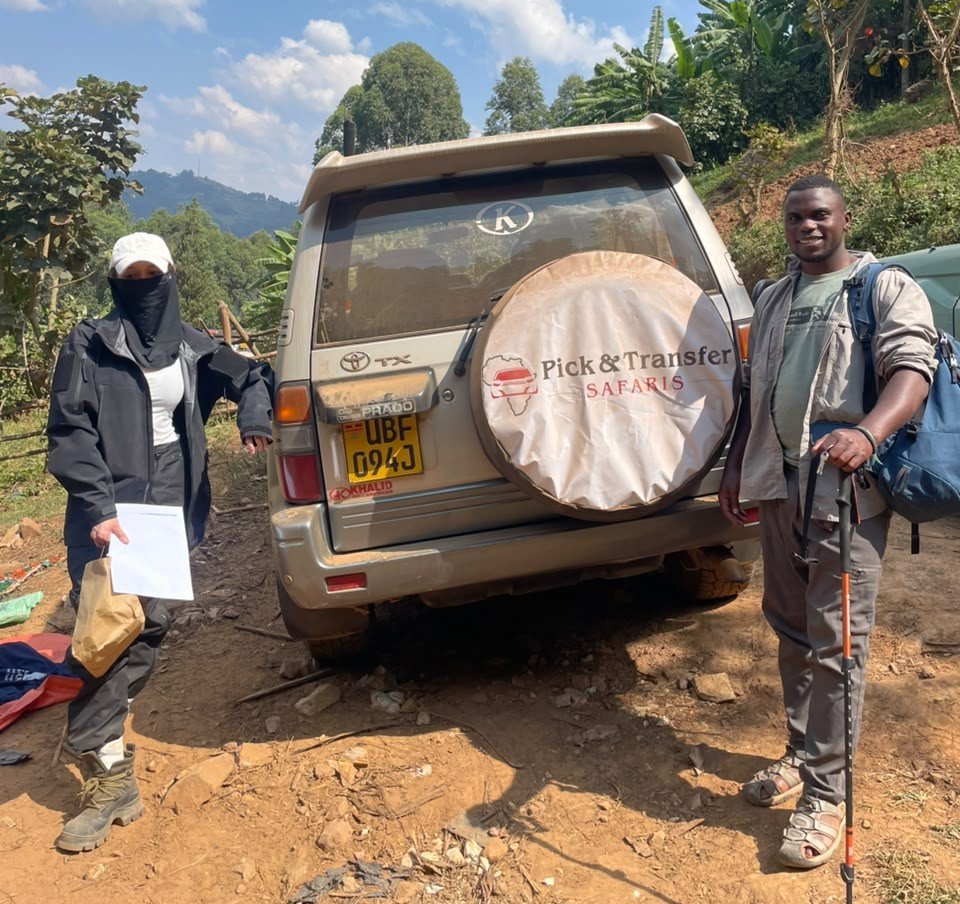
7 Days Uganda Safari – One week tour
This 7-day itinerary is the classic one-week introduction to Uganda, covering the country’s three most iconic wildlife experiences: chimpanzee tracking in Kibale Forest National Park, Big Five game drives and a boat cruise in Queen
Tour Details →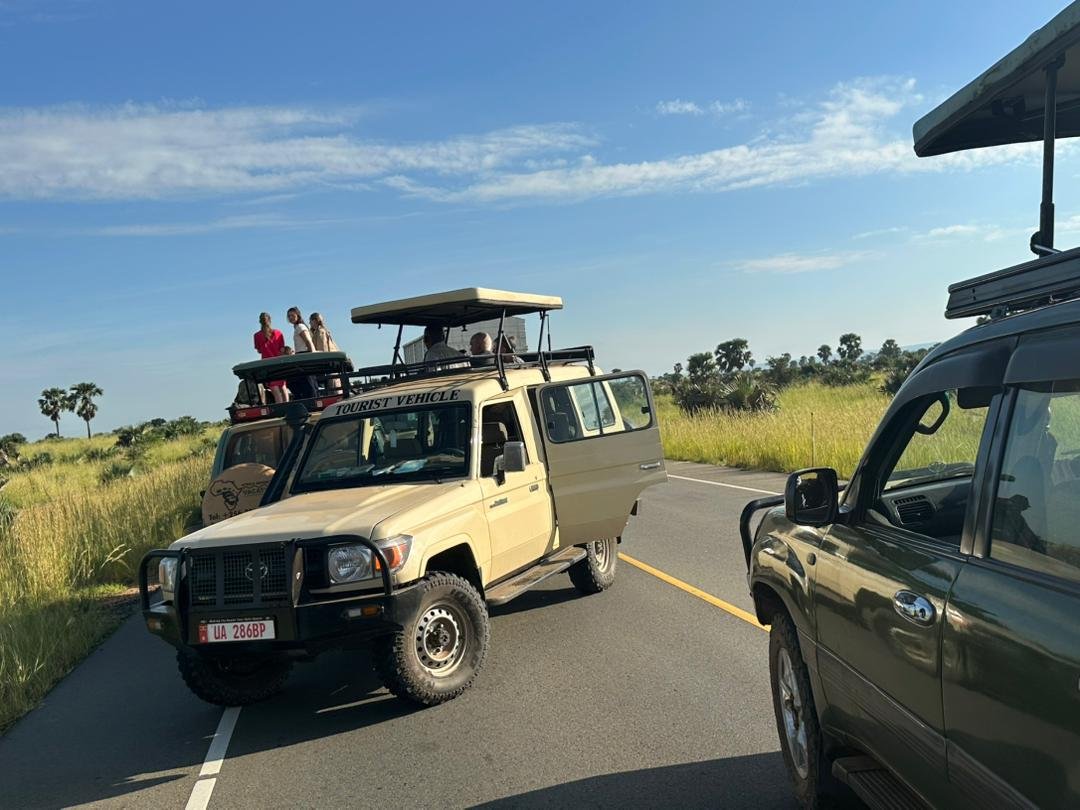
10 Days Uganda Primates and Wildlife
This 10-day Uganda Grand Safari is the most complete Uganda itinerary we offer at Pick and Transfer Safaris. It begins with a scenic northward drive from Entebbe to the vast open plains of Murchison
Tour Details →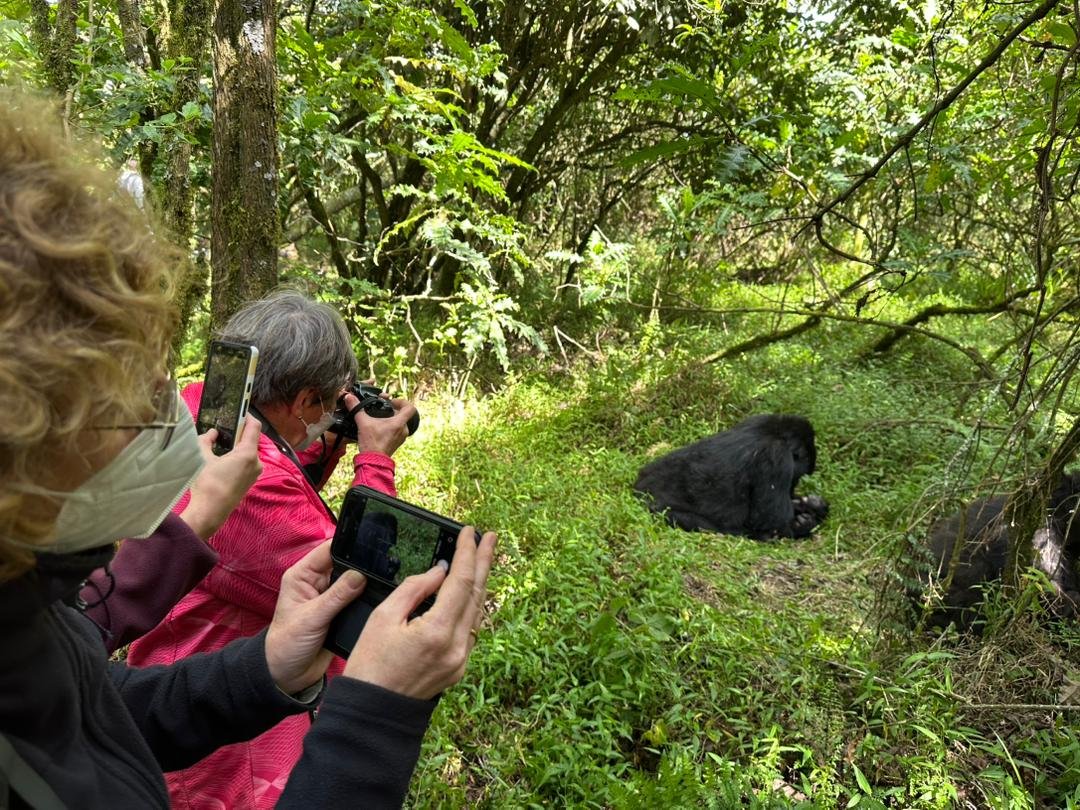
2 Days Uganda Gorilla Tour Starting from Kigali
This is the gentler cousin of our 1-Day Uganda Gorilla Safari Starting from Kigali — same idea, twice the breathing room. Instead of squeezing a 3,000-metre forest trek and two border crossings into a single very long day
Tour Details →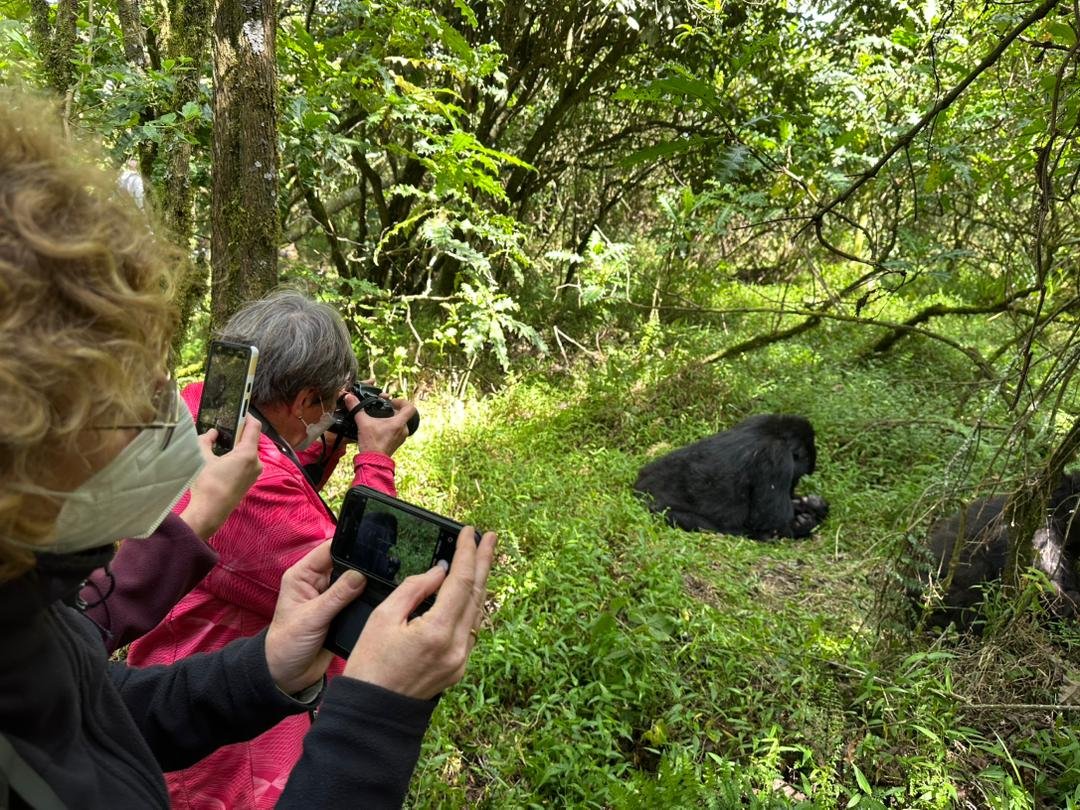
5-Day Uganda Gorilla and Chimpanzee Safari
This itinerary can be combined with a Rwanda extension or a wildlife-focused add-on through Queen Elizabeth National Park — browse our Uganda & Rwanda Safaris and Primate Safaris collections for ideas.
Tour Details →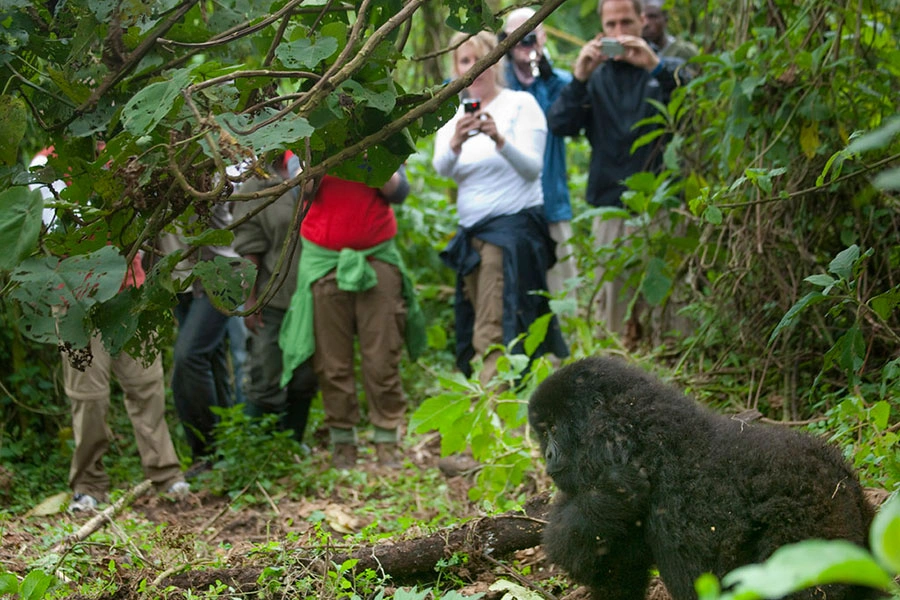
5 Days Rwanda Wildlife and Gorillas
This 5-day itinerary brings together Rwanda’s two flagship wildlife experiences: open savannah game drives and a boat safari in Akagera National Park, followed by a face-to-face encounters
Tour Details →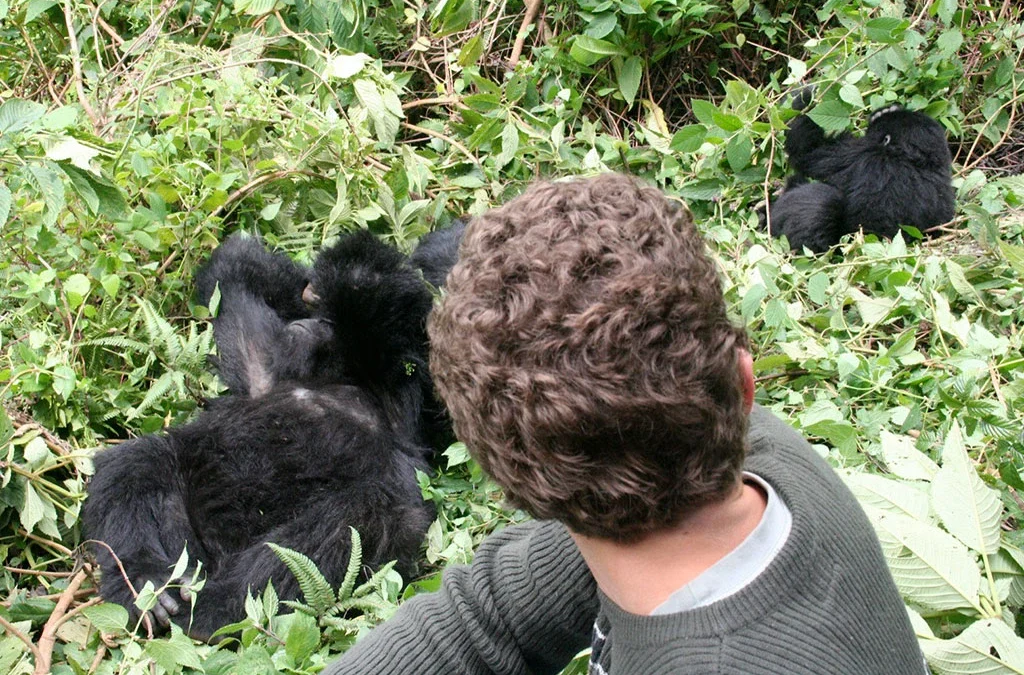
3 Days Uganda Gorilla Safari
For travelers who arrive in Entebbe with a tight schedule and a clear ambition, a 3-day gorilla safari to Bwindi Impenetrable Forest National Park is the most focused and rewarding short trip the country has to offer.
Tour Details →