- LET'S PLAN YOUR SAFARI
- +256 200 921 002
- +256 793 194 703
- info@pickandtransfersafaris.com

Hotels for Gorilla Trekking in Mgahinga National Park
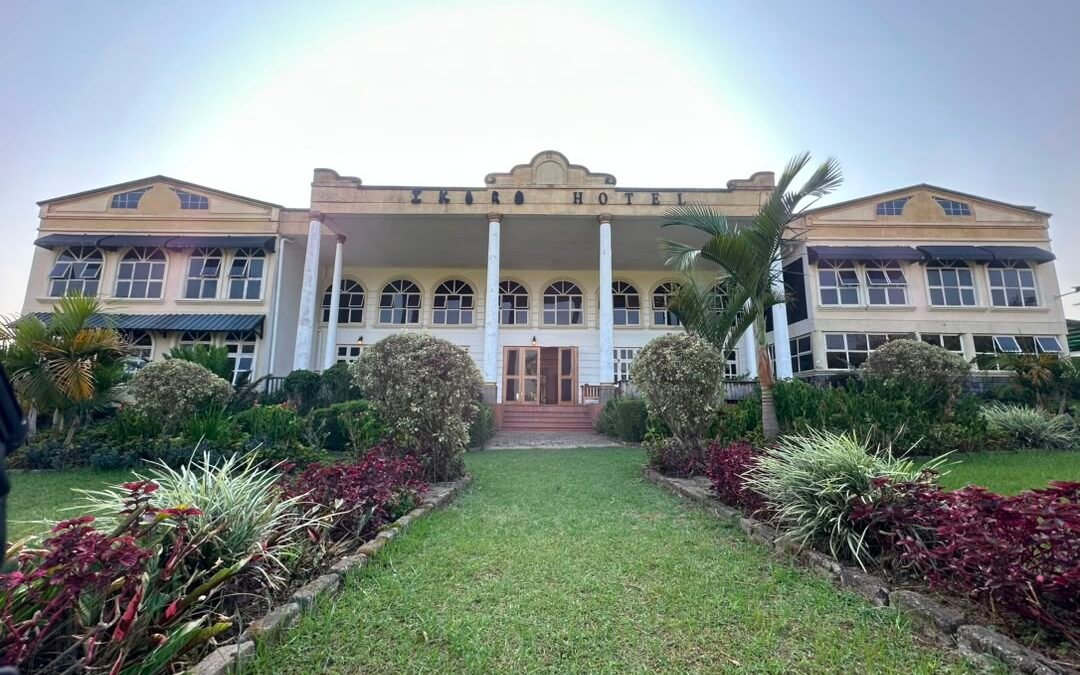
Hotels for Gorilla Trekking in Mgahinga National Park. Tucked into Uganda’s far southwestern corner, where the borders of Uganda, Rwanda, and the Democratic Republic of Congo meet among a chain of dormant volcanoes, Mgahinga Gorilla National Park is one of Africa’s most underrated gorilla trekking destinations. It is small, quiet, and refreshingly free of the crowds that gather in Uganda’s more famous Bwindi Impenetrable Forest — yet it delivers the same life-changing encounter with mountain gorillas, plus golden monkeys, volcano hikes, and Batwa culture in one compact package. But an unforgettable trek starts with the right bed to sleep in the night before, and the right base to return to afterward. This guide walks through every category of hotel for gorilla trekking in Mgahinga National Park — luxury lodges, mid-range hotels, budget camps, and lakeside retreats — along with permits, best travel times, packing tips, and how to combine your stay with the rest of Uganda and Rwanda. If you would rather have a specialist handle the bookings and transfers for you, our team at Pick and Transfer Safaris’ gorilla safari desk can build the whole trip around whichever hotel suits you best.
Why Mgahinga Gorilla National Park Deserves a Place on Your Uganda Safari
Most first-time visitors to Uganda default to Bwindi Impenetrable Forest simply because it is better known, but Mgahinga offers something Bwindi cannot: three volcanoes, golden monkeys, gorillas, and a Batwa cultural trail within a single, walkable 33.7-square-kilometre park. It is Uganda’s smallest national park by area, yet arguably its most versatile, part of the wider Virunga Conservation Area that stretches across Uganda, Rwanda, and Congo. Because visitor numbers are lower here than almost anywhere else in the gorilla trekking circuit, travelers who choose Mgahinga often describe a more personal, less rushed experience with rangers, trackers, and the gorillas themselves. For a full breakdown of the park’s terrain, wildlife, and history, our Mgahinga Gorilla National Park destination page is a useful starting point before you commit to an itinerary.
Understanding Mgahinga’s Location in the Virunga Massif
Mgahinga sits in Kisoro District, in the far southwestern tip of Uganda, wedged between Rwanda’s Volcanoes National Park and Congo’s Virunga National Park. This positioning is precisely why the park matters so much to travelers planning a multi-country trip: it is the Ugandan gateway to the Virunga volcanoes, and it makes a Uganda-Rwanda combination far easier than most people assume. Kisoro town, the nearest urban center and the base for almost every hotel discussed below, lies roughly 14 kilometres from the park headquarters at Ntebeko. Travelers arriving from Kigali typically cross the border at Cyanika, a route our guide on driving from Kigali to Mgahinga for gorilla trekking covers in detail, while Kenlink Tours’ own breakdown of driving from Bwindi to Mgahinga Gorilla National Park is worth reading if you are combining both parks in one trip.
The Nyakagyezi Gorilla Family: What Makes Mgahinga Trekking Unique
Unlike Bwindi, which has dozens of habituated gorilla families spread across four trekking sectors, Mgahinga has a single habituated troop: the Nyakagyezi family. It is one of the largest habituated mountain gorilla groups in the entire Virunga region, and because only one group is tracked here, permit allocation is limited and trekking groups tend to be smaller and more intimate. The family ranges across Mgahinga’s volcanic slopes and occasionally crosses into neighboring Rwanda or Congo, which is part of why some travel dates see no trekking available at all — always confirm with your operator before booking a fixed hotel date. Kenlink Tours’ overview of gorilla trekking rules and regulations in Uganda explains the etiquette and requirements that apply to any trek with this family.
Gorilla Trekking Permits in Mgahinga: Costs and Booking Tips
A Uganda gorilla permit currently costs USD 800 per person for foreign non-residents, issued by the Uganda Wildlife Authority (UWA); discounted rates apply for foreign residents and East African Community citizens, so it is worth checking current published rates before you pay. Permits should be booked months in advance for peak season, since Mgahinga only has one family and therefore only a handful of permits available per day. Many travelers make the mistake of booking a hotel first and a permit second — we always recommend the reverse. Our guide to the minimum age for gorilla trekking is also worth reading if you are traveling with teenagers, since UWA enforces a strict age policy for all Ugandan parks, Mgahinga included.
What Happens on Trekking Day: From Hotel to Gorilla Encounter
Trekking day starts early, whichever hotel you have chosen. Guests are typically collected or driven from their hotel around 6:00–6:30 a.m. to reach the Ntebeko park headquarters in time for the 7:00 a.m. briefing, where rangers assign trekking groups and explain trail etiquette — keeping seven metres from the gorillas, speaking quietly, and never eating or pointing directly at them. From there, the walk to find the Nyakagyezi family can take anywhere from thirty minutes to several hours depending on where the group has moved overnight, over volcanic terrain that is noticeably steeper than many Bwindi trails. Once located, visitors get a strictly timed hour with the gorillas before heading back to the trailhead and returning to their hotel by early-to-mid afternoon, often in time for a late lunch and a rest before dinner. Hotels closer to the gate, such as Mount Gahinga Lodge or Amajambere Iwacu, shave meaningful time off both ends of this day, which is one of the strongest arguments for prioritizing proximity when the trek itself is likely to be physically demanding.
Best Time to Visit Mgahinga for Gorilla Trekking
Mgahinga is trekkable year-round, but the two dry seasons — June to September and December to February — offer firmer trails, less mud on the volcanic slopes, and generally clearer views of the three peaks. The wetter months (March–May and October–November) bring lush, dramatic scenery and thinner crowds, but the terrain becomes noticeably harder underfoot. Whichever season you choose, book your hotel to align with your permit date rather than the other way around, since Mgahinga’s accommodation options are limited compared to Bwindi and popular lodges fill up quickly around the dry-season peaks.
How to Get to Mgahinga National Park
Most international travelers fly into Entebbe or Kigali and continue overland. From Kampala, it is roughly 540 kilometres — about a 9 to 10-hour drive via Mbarara and Kabale — while charter flights from Entebbe to Kisoro Airstrip cut that down to under two hours. Travelers arriving via Rwanda can reach Kisoro in about 4 to 5 hours from Kigali through the Cyanika border post; our comparison of Cyanika versus Katuna border crossings explains which route suits your itinerary best. If you are booking a private vehicle rather than flying, our private transfer service from Kigali to Mgahinga handles the crossing, paperwork, and drive so you arrive at your hotel ready to rest before an early trekking start. For self-drive travelers, Kenlink Tours’ notes on doing a Uganda gorilla safari on a self-drive basis and their guide to regional airstrip options are useful references for planning your own route.
What to Consider Before Booking a Hotel Near Mgahinga
Choosing where to stay for a Mgahinga gorilla trek comes down to four practical questions: how close do you want to be to the park gate, what is your budget, do you want lake or volcano views, and are you combining the trek with golden monkey tracking or a volcano hike the following day. Properties right at the park gate mean you can sleep later before your 7 a.m. briefing, while hotels in Kisoro town offer more restaurant choice, WiFi reliability, and easier onward transport. Distance matters more here than at Bwindi, because Mgahinga’s single trailhead at Ntebeko means every guest starts from the same point regardless of which hotel they slept in.
Luxury Hotels and Lodges for Gorilla Trekking in Mgahinga
For travelers who want comfort to match the adventure, a handful of properties sit at the top of the Mgahinga accommodation ladder, typically ranging from USD 250 to 500 per person per night.
- Mount Gahinga Lodge — Operated by Volcanoes Safaris and positioned a short walk from the park gate itself, this is the closest true luxury property to the trailhead. Its banda-style cottages are built from local volcanic stone and thatch, several with private fireplaces and verandas facing the volcanoes, and the lodge is often praised for its Batwa-inspired design and personalized service. See Kenlink Tours’ broader roundup of accommodation near Mgahinga Gorilla National Park for how it compares with other lodges in the area.
- Mutanda Lake Resort — Set on a peninsula on Lake Mutanda, roughly 20–30 minutes from the park, this is one of the region’s most photographed properties, combining upscale rooms with boat trips, birding, and volcano views across the water. It suits travelers who want a lake break built into their Mgahinga itinerary — our page on boat cruises at Lake Mutanda covers what a half-day there looks like.
Mid-Range Hotels Near Mgahinga National Park
The mid-range bracket is where most travelers land, typically between USD 80 and 180 per person per night, and Kisoro town has a genuinely good selection.
- Ikoro Hotel — Located directly opposite Kisoro Airstrip, roughly 30–40 minutes from the park gate, Ikoro is a 26-room property with soundproofed standard, deluxe, and suite rooms, private balconies facing the Virunga range, air conditioning, satellite TV, and a well-regarded in-house restaurant. Its proximity to the airstrip makes it a favourite for travelers flying in rather than driving. Read our full Ikoro Hotel in Kisoro review for room categories and rates.
- Mgahinga Gorilla Triangle Lodge — Perched on the slopes near the park with panoramic views, spacious cottages, and hearty meals, this lodge is consistently described as excellent value for the location.
- Travellers Rest Hotel — A colonial-era property dating to 1955 on Kisoro’s outskirts, with gardens, fireplace lounges, and a well-known historical link to primatologist Dian Fossey, who stayed here while working in the Virungas.
- Ichumbi Hotel Kisoro — Centrally located on Mutolele Road, offering modern rooms and easy access to restaurants and town services for travelers who want to be close to shops and transport links.
- Coffee Pot Hotel — A central, walkable property with a garden, terrace, bar, and shuttle service, popular with travelers who arrive without a private vehicle.
For a fuller list with pricing notes, see our roundup of hotels in Kisoro town, and Kenlink Tours’ independent take on the best hotels in Kisoro.
Budget and Community-Based Accommodation Near Mgahinga
Budget travelers are not left out at Mgahinga — in fact, some of the most memorable stays here are the community-run camps, generally priced from USD 30 to 60 per person per night.
- Amajambere Iwacu Community Camp — Roughly an 11-minute walk from the Mgahinga park gate, this camp is run by the local community and offers bandas, dormitories, and simple tented options. Proceeds support conservation and local livelihoods directly, and guests often join traditional meals and cultural performances on-site.
- Ikaze Cottages — Clean, simple, and affordable rooms with mountain views on the edge of town, popular with backpackers who still want a private room.
- Mianzi Guest House — A no-frills but well-run guesthouse off Kisoro’s main street, useful for travelers who need help arranging park transport on short notice.
- Virunga Campsite and Backpackers — The most affordable option in the area, with simple rooms, a camping ground, free WiFi, and a garden setting.
If you are booking on a shoestring, our best budget gorilla trekking tours from Kigali page pairs well with any of these properties, bundling permits, transport, and accommodation into one lower-cost package.
Lakeside Retreats: Staying Near Lake Mutanda and Lake Mulehe
A short drive from the park, Lake Mutanda and the smaller Lake Mulehe host some of the most scenic — if slightly less convenient — accommodation options in the district. Properties here trade a few extra minutes of driving time for volcano reflections on still water, canoe trips, and a noticeably quieter atmosphere in the evenings. Lake Mulehe Safari Lodge, for example, offers cottages with private verandas overlooking both the lake and the surrounding Virunga volcanoes, while smaller riverside lodges between the two lakes cater to travelers who want a scenic add-on day before or after their trek. Combine a lake stay with a stop at the local coffee farms — our page on the Kisoro coffee experience is a relaxed half-day option that fits neatly around a trekking schedule.
Meal Plans and Dietary Requirements at Mgahinga Hotels
Most hotels near Mgahinga operate on a full-board or half-board basis, which makes sense given how remote the area is and how early trekking mornings start — few travelers want to search for breakfast options at 5:30 a.m. Luxury and mid-range properties such as Mount Gahinga Lodge, Mutanda Lake Resort, and Ikoro Hotel generally cater well to vegetarian, vegan, and common allergy requests if notified in advance, drawing on locally grown produce from the fertile Kisoro highlands. Budget camps and guesthouses have simpler menus built around Ugandan staples — matoke, rice, beans, and stews — with less flexibility for special diets, so it is worth flagging dietary needs at the time of booking rather than on arrival. Packed lunches for trekking day, or for the drive onward to Bwindi or Lake Bunyonyi, are usually available on request from any of the properties listed in this guide.
Quick Comparison: Hotels for Gorilla Trekking in Mgahinga at a Glance
| Hotel / Lodge | Category | Distance from Park Gate | Approx. Price (per person/night) |
|---|---|---|---|
| Mount Gahinga Lodge | Luxury | ~5 minutes’ walk | USD 250–500 |
| Mutanda Lake Resort | Luxury / Lakeside | ~20–30 minutes | USD 200–450 |
| Ikoro Hotel (Traveler’s Choice) | Mid-range | ~30–40 minutes | USD 100–200 |
| Mgahinga Gorilla Triangle Lodge | Mid-range | ~15–20 minutes | USD 80–160 |
| Travellers Rest Hotel | Mid-range / Historic | ~20 minutes | USD 80–150 |
| Amajambere Iwacu Community Camp | Budget / Community | ~11 minutes’ walk | USD 30–60 |
| Virunga Campsite and Backpackers | Budget | ~20 minutes | USD 15–40 |
Prices are indicative and vary by season and room category — always confirm current rates directly with the property or through your tour operator.
Staying in Kisoro Town vs. Staying at the Park Gate
This is one of the most common questions we get from travelers planning a Mgahinga trek. Staying right at the park gate — at Mount Gahinga Lodge or Amajambere Iwacu Community Camp, for instance — means a shorter, calmer morning before your 7 a.m. briefing, which matters after a long travel day. Staying in Kisoro town gives you more restaurant variety, better mobile signal, and easier access to shops, fuel stations, and ATMs, plus a shorter drive if you are also visiting the town’s attractions. Our guide to tourism attractions in Kisoro is worth a look if you plan to spend an extra day in town rather than heading straight back after your trek. Kenlink Tours’ guide on where to eat near Mgahinga Gorilla National Park is also handy if your hotel does not include dinner.
What to Pack for Your Mgahinga Gorilla Trek
Mgahinga’s volcanic slopes are steeper and, in places, more physically demanding than several Bwindi trails, so packing correctly matters. At minimum, bring sturdy waterproof hiking boots, gardening gloves for gripping vegetation, a light rain jacket, long trousers tucked into socks (nettles and safari ants are common), a wide-brimmed hat, and drinking water. Porters are available at the park gate and are worth hiring — the fee directly supports the local community. For the full checklist, including camera gear and altitude considerations, see our dedicated gorilla tours packing list for Mgahinga trekking.
Photography Tips for Your Mgahinga Gorilla Trek
Mgahinga’s forest canopy is often darker and denser than open savannah settings, so a camera body that performs reasonably well at higher ISO settings, paired with a mid-range zoom lens (roughly 100–400mm), covers most gorilla trekking scenarios without becoming too heavy to carry uphill. A lightweight rain cover for your camera bag is essential, even in the dry season, since Mgahinga’s volcanic slopes hold moisture and mist rolls in quickly. Flash photography is prohibited around the gorillas, so practising handheld shots in low light before your trip is worthwhile. Many hotels, including Mount Gahinga Lodge, offer secure charging points and early breakfasts timed around trekking departures, so battery and memory card preparation the night before — rather than the rushed morning of your trek — tends to produce the best results.
Golden Monkey Tracking: A Perfect Add-On Activity
Few travelers realize that Mgahinga is also one of only two places in Uganda where golden monkey tracking is possible. These endangered, strikingly orange primates live in the park’s bamboo zones and are considerably cheaper to track than gorillas, making them an excellent second activity if you have an extra day at your hotel. Many of the mid-range and luxury lodges listed above can arrange golden monkey permits alongside your gorilla trek. Our page on combining gorilla trekking with golden monkeys in Mgahinga explains how to fit both into a single stay, and Kenlink Tours’ article on golden monkey tracking in Rwanda is a useful comparison if you are also visiting Volcanoes National Park across the border.
Hiking the Virunga Volcanoes from Mgahinga
Beyond gorillas and golden monkeys, Mgahinga is the only Ugandan park offering direct access to three volcanic peaks: Mount Gahinga (3,474m), Mount Sabinyo (3,669m), with its dramatic tri-country summit where Uganda, Rwanda, and Congo meet, and Mount Muhavura (4,127m), the tallest and most demanding of the three. Each requires a separate permit and a full day, so travelers wanting to combine a volcano hike with gorilla trekking should plan at least three nights at their chosen hotel. Properties near the park gate, such as Mount Gahinga Lodge or Amajambere Iwacu, are especially convenient for an early volcano start.
Batwa Cultural Trail and Community Experiences
The Batwa Cultural Trail offers a guided walk through the forest with members of the indigenous Batwa community, who lived in these forests for generations before the park’s creation. It is one of the most moving half-day additions to a Mgahinga stay, and several budget and mid-range hotels, including Amajambere Iwacu Community Camp, are directly involved in organizing it. Read more in our guide to the Batwa visit in Kisoro and Mgahinga.
Currency, Tipping, and Connectivity at Mgahinga Hotels
Most hotels near Mgahinga quote rates in US dollars but accept Ugandan shillings at the daily rate, and larger properties such as Mount Gahinga Lodge, Mutanda Lake Resort, and Ikoro Hotel accept card payments, though it is wise to carry cash for smaller guesthouses, porters, and tips. Tipping is customary and appreciated: guides and trackers typically receive USD 10–20 per group per trek, porters USD 10–15 per person, and hotel staff a smaller discretionary amount at checkout. Mobile network coverage around Kisoro is generally reliable on MTN and Airtel Uganda, and most mid-range and luxury hotels offer WiFi in common areas, though speeds can be inconsistent at properties closer to the park gate. If you need a local SIM card, Kisoro town has several kiosks selling data bundles, and most hotel staff can point you to the nearest one on arrival.
Health, Altitude, and Fitness Tips for Trekking
Mgahinga’s trailheads sit at a higher base altitude than several Bwindi sectors, and the volcanic slopes can be steep, so a reasonable level of fitness makes a real difference to how much you enjoy the trek. Most hotels can arrange a walking stick and connect you with porters at the park gate, and it is worth building in at least one full night’s rest at your hotel before trekking day rather than arriving and heading straight out. Travelers with pre-existing heart or respiratory conditions should consult a doctor before booking, since trek difficulty depends on where the gorilla family is located on the day and can involve several hours of uphill walking. Staying hydrated, wearing broken-in boots, and eating a proper breakfast at your hotel before the 7 a.m. briefing all matter more here than on an average day of sightseeing.
Family Travel and Honeymoon Stays Near Mgahinga
Mgahinga’s minimum trekking age of 15 means the park itself is best suited to families with teenagers or older children, though younger children can still enjoy the Batwa trail, birdwatching, or a Lake Mutanda boat trip while parents trek in shifts. Lodges such as Mount Gahinga Lodge and Mutanda Lake Resort offer larger family cottages and a quieter, more private setting, which also makes them popular with honeymooners looking to pair a gorilla trek with a scenic, low-key stay. Our page on the best Uganda tours for families covers age-appropriate activities across several parks if you are planning a multi-generational trip around your Mgahinga stay.
Combining Mgahinga with Lake Bunyonyi and Queen Elizabeth National Park
Because Kisoro sits within a few hours of some of southwestern Uganda’s most scenic destinations, few travelers stop at Mgahinga alone. Lake Bunyonyi, roughly two hours away, is a popular decompression stop after trekking, with island resorts, canoeing, and none of the wildlife risk that rules out swimming in most other Ugandan lakes — our Kigali to Lake Bunyonyi tour and combined Uganda gorilla and Lake Bunyonyi tour from Kigali both show how this pairs with a Mgahinga hotel stay. Travelers with more time often continue north to Queen Elizabeth National Park for game drives and boat cruises, turning a gorilla-only trip into a full Uganda safari.
Sustainable and Community Tourism Around Mgahinga
Tourism around Mgahinga carries real weight for the surrounding community: park entrance and permit fees fund conservation directly, and community-run properties like Amajambere Iwacu Community Camp channel accommodation revenue straight back into local livelihoods, education, and healthcare. Choosing porters, community camps, and locally guided experiences such as the Batwa Cultural Trail or a Kisoro coffee farm visit is one of the most direct ways travelers can support the region beyond the cost of their permit. This is also part of why Mgahinga’s single gorilla family is so carefully protected — the Nyakagyezi group’s wellbeing is tied closely to the income the park generates, which in turn depends on hotels, guides, and travelers treating the trek with the same care rangers do.
Is Mgahinga Safe for Tourists?
Safety is a legitimate question for any park bordering the Democratic Republic of Congo, and it is one we get often. Mgahinga itself, along with Kisoro town and the surrounding tourism infrastructure, has an excellent safety record, with UWA rangers patrolling all trekking routes and hotels well accustomed to hosting international travelers. Kenlink Tours addresses this in detail in their article on whether Mgahinga is safe for tourists, which is worth reading if this is a concern before you book.
Combining Mgahinga with Bwindi Impenetrable Forest
Many travelers ask whether they should choose Mgahinga or Bwindi — the better answer, if your schedule allows, is often both. The two parks are a manageable drive apart, and combining them lets you trek two different gorilla families (or add a habituation experience in Bwindi) without a long detour. Our comparison piece, gorilla trek in Mgahinga or Bwindi, breaks down the trade-offs in trail difficulty, cost, and scenery, while our page on whether you can trek gorillas in both Bwindi and Mgahinga starting from Kigali lays out a realistic itinerary. For the Bwindi side specifically, our Bwindi Impenetrable Forest destination page has everything you need.
Crossing the Border: Mgahinga from Rwanda via Cyanika
If you are based in Kigali or have just finished gorilla trekking in Rwanda’s Volcanoes National Park, Mgahinga is an easy add-on. The Cyanika border crossing sits roughly 15 minutes from Kisoro town, making it one of the most convenient border posts on the entire gorilla trekking circuit. Our guide on short trips to Mgahinga starting from Rwanda covers timing for a same-day or overnight crossing, and if you would rather not drive yourself, our private Kigali-to-Mgahinga transfer takes care of the paperwork at the border. If you’re comparing volcanoes on both sides of the border, our Volcanoes National Park destination page and Kenlink Tours’ overview of national parks in Uganda both give useful regional context.
Mgahinga vs Bwindi: Which Should You Choose for Gorilla Trekking?
If you want variety — golden monkeys, volcano hikes, and Batwa culture alongside gorillas — Mgahinga wins. If you want more choice of gorilla families, trekking sectors, and a wider range of hotels, Bwindi has the edge. Many seasoned safari operators, including our own team, recommend combining both parks into one Uganda itinerary rather than picking one over the other, especially since the driving distance between them is manageable in a single day. Whichever you choose, book your hotel around your confirmed permit date, not the other way around, since Mgahinga’s single-family permit system fills up quickly in peak months.
Sample 3-Day Itinerary: Gorilla Trekking and Hotel Stay in Mgahinga
Day 1: Arrive in Kisoro via Kigali (Cyanika border) or fly into Kisoro Airstrip; check into your chosen hotel — Mount Gahinga Lodge for luxury, Ikoro Hotel for mid-range, or Amajambere Iwacu for budget. Rest and acclimatize.
Day 2: Early briefing at Ntebeko park headquarters at 7 a.m., gorilla trekking with the Nyakagyezi family, return to your hotel by mid-afternoon, optional coffee farm visit or Lake Mutanda boat trip.
Day 3: Golden monkey tracking or a half-day volcano hike, followed by departure back to Kigali or onward to Bwindi.
For a ready-made version of this trip with transport and permits included, see our 2-day volcanoes gorilla trek from Kigali or, for a longer stay, our luxury Uganda gorilla safaris starting from Kigali.
Tips for Booking Your Mgahinga Gorilla Safari and Hotel
Book your gorilla permit first, then lock in your hotel for the same dates — Mgahinga’s accommodation supply is smaller than Bwindi’s, and rooms at Mount Gahinga Lodge and Ikoro Hotel in particular sell out well ahead of the June–September and December–February peak seasons. If you are arranging everything independently, confirm directly with the hotel whether airport or border transfers are included, since Kisoro Airstrip and the Cyanika crossing are both a meaningful drive from some properties. Travelers who prefer not to juggle permits, transfers, and hotel bookings separately can reach out through our contact page, and our team will build a full itinerary — hotel included — around your travel dates. You can also read more about how we work on our about us page, or browse our full range of Uganda and Rwanda safari packages for other parks to combine with Mgahinga. For travelers arranging their own operator locally, Kenlink Tours’ list of tour operators in Kisoro is a useful independent reference.
Frequently Asked Questions About Hotels and Gorilla Trekking in Mgahinga
What is the best hotel for gorilla trekking in Mgahinga National Park?
For proximity and comfort, Mount Gahinga Lodge is the top choice, sitting a short walk from the park gate. For value, Ikoro Hotel and Mgahinga Gorilla Triangle Lodge are consistently well reviewed among mid-range travelers.
How far are Mgahinga hotels from the park gate?
It ranges from an 11-minute walk (Amajambere Iwacu Community Camp) to about 30–40 minutes by road (Ikoro Hotel and most Kisoro town properties).
How much does a gorilla permit cost for Mgahinga?
USD 800 per person for foreign non-residents, booked through the Uganda Wildlife Authority, with discounted rates for residents and East African citizens.
Can I stay in Kisoro town and still trek in Mgahinga?
Yes — most travelers stay in Kisoro town and drive 20–40 minutes to the Ntebeko park headquarters for the morning briefing.
Is it better to stay in Mgahinga or in Kisoro town?
Staying at the park gate saves you an early-morning drive; staying in town gives you more dining, shopping, and onward-transport options. Both are viable, and the choice usually comes down to budget and how much you want to see of Kisoro itself.
Can I combine Mgahinga gorilla trekking with a Rwanda safari?
Yes — the Cyanika border is about 15 minutes from Kisoro, making it easy to trek in Mgahinga and continue to Rwanda’s Volcanoes National Park or Kigali within the same trip.
Do Mgahinga hotels arrange airport or border transfers?
Many mid-range and luxury properties do, but it varies by hotel, so confirm at the time of booking or use a dedicated transfer service to avoid gaps between your flight or border crossing and your hotel.
What is the minimum age for gorilla trekking in Mgahinga?
Uganda Wildlife Authority sets the minimum age at 15 years old for all gorilla trekking, Mgahinga included, so younger children will need to be looked after at the hotel or on an alternative activity during the trek.
Hotels for Gorilla Trekking in Mgahinga National Park
There is no single “best” hotel for every traveler — the right choice depends on budget, how close you want to be to the trailhead, and whether you are folding in golden monkeys, a volcano hike, or a Rwanda border crossing around your trekking day. What stays consistent across every property on this list, from Mount Gahinga Lodge’s private verandas to Amajambere Iwacu’s community-run bandas, is easy access to the same trailhead, the same Nyakagyezi gorilla family, and the same dramatic Virunga scenery that makes Mgahinga worth the extra effort to reach.
Mgahinga Gorilla National Park rewards travelers who take the time to plan properly — booking a gorilla permit early, matching it with the right hotel, and building in a day or two for golden monkeys, a volcano hike, or the Batwa trail. Whether you choose the volcano-view luxury of Mount Gahinga Lodge, the convenience of Ikoro Hotel near Kisoro Airstrip, or the community spirit of Amajambere Iwacu, every hotel on this list puts you within easy reach of one of Africa’s most rewarding — and least crowded — gorilla trekking experiences. If you would like help matching a hotel to your travel dates, permits, and budget, our team at Pick and Transfer Safaris is ready to plan the whole trip with you.
7 Days Uganda Safari – One week tour
This 7-day itinerary is the classic one-week introduction to Uganda, covering the country’s three most iconic wildlife experiences: chimpanzee tracking in Kibale Forest National Park, Big Five game drives and a boat cruise in Queen
Tour Details →
10 Days Uganda Primates and Wildlife
This 10-day Uganda Grand Safari is the most complete Uganda itinerary we offer at Pick and Transfer Safaris. It begins with a scenic northward drive from Entebbe to the vast open plains of Murchison
Tour Details →
2 Days Uganda Gorilla Tour Starting from Kigali
This is the gentler cousin of our 1-Day Uganda Gorilla Safari Starting from Kigali — same idea, twice the breathing room. Instead of squeezing a 3,000-metre forest trek and two border crossings into a single very long day
Tour Details →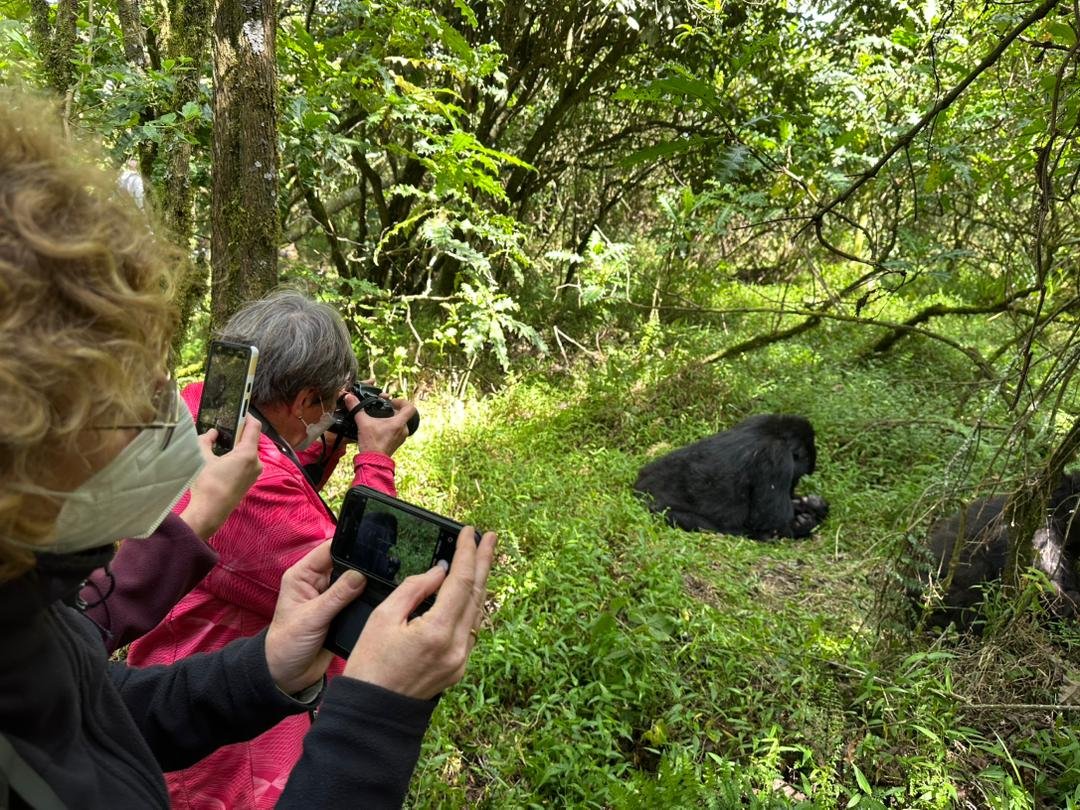
5-Day Uganda Gorilla and Chimpanzee Safari
This itinerary can be combined with a Rwanda extension or a wildlife-focused add-on through Queen Elizabeth National Park — browse our Uganda & Rwanda Safaris and Primate Safaris collections for ideas.
Tour Details →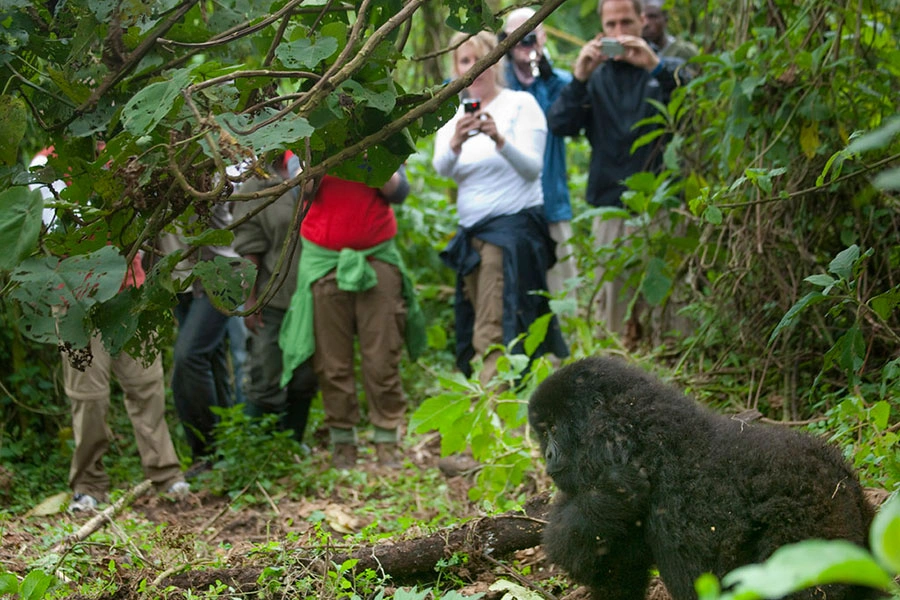
5 Days Rwanda Wildlife and Gorillas
This 5-day itinerary brings together Rwanda’s two flagship wildlife experiences: open savannah game drives and a boat safari in Akagera National Park, followed by a face-to-face encounters
Tour Details →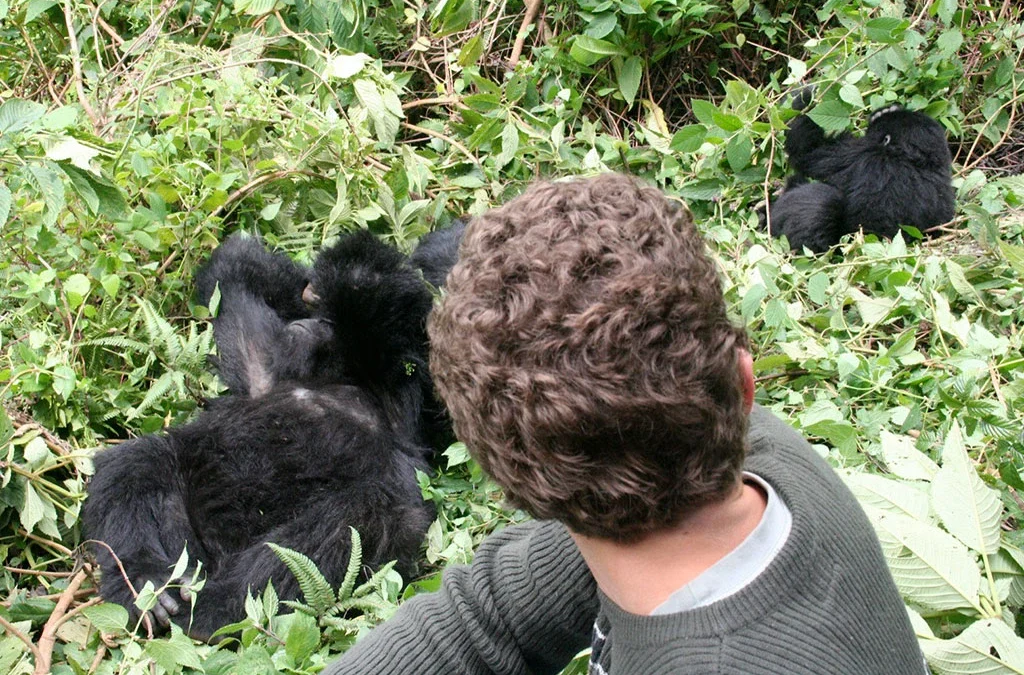
3 Days Uganda Gorilla Safari
For travelers who arrive in Entebbe with a tight schedule and a clear ambition, a 3-day gorilla safari to Bwindi Impenetrable Forest National Park is the most focused and rewarding short trip the country has to offer.
Tour Details →