- LET'S PLAN YOUR SAFARI
- +256 200 921 002
- +256 793 194 703
- info@pickandtransfersafaris.com

Crossing from Kigali to Mgahinga for Gorilla Trek
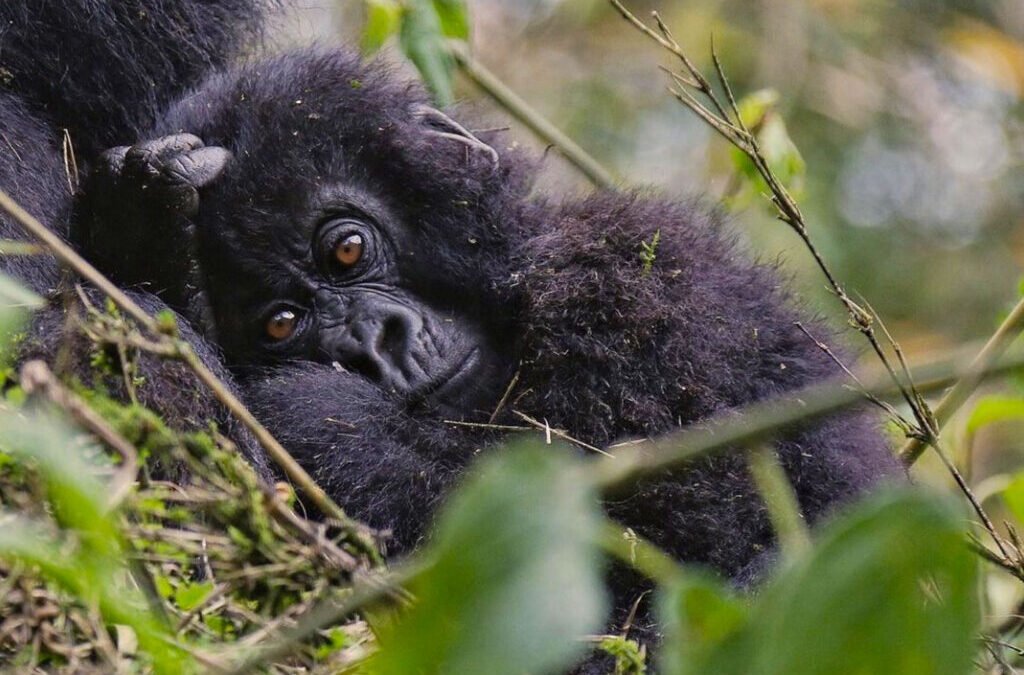
Crossing from Kigali to Mgahinga for Gorilla Trek. Crossing from Kigali to Mgahinga for a gorilla trek is one of the smartest moves a traveller can make in East Africa. You land at Kigali International Airport, drive through the green hills of northern Rwanda, cross into Uganda at the Cyanika border, and within about four hours you are standing at the foot of the Virunga volcanoes, ready to track mountain gorillas in Mgahinga Gorilla National Park. It is short, scenic and costs far less than a Rwandan gorilla permit.
This guide covers the whole journey from Kigali to Mgahinga for gorilla trekking: the route and driving times, what happens at the border, visas and documents, permit prices for 2026, where to stay, what to pack, sample itineraries and the mistakes first-timers make. It is written from the experience of our driver-guides at Pick and Transfer Safaris, who make this crossing every week of the year.
Why Cross from Kigali to Mgahinga for Gorilla Trekking?
Most visitors assume that a Uganda gorilla safari has to start in Entebbe. For the southwestern gorilla parks, that is rarely the best option. From Entebbe to Mgahinga is about 540 km, a drive of 9 to 10 hours. From Kigali it is roughly 130 km to the park gate. That difference alone saves a full day of driving each way, which is why more travellers now choose Uganda gorilla trekking packages from Kigali.
Money is the second reason. A Rwandan gorilla permit for Volcanoes National Park costs US$1,500 per person. A Ugandan permit for Mgahinga costs US$800 for foreign non-residents in peak season. The mountain gorillas are the same subspecies, living on the same chain of volcanoes, often just a few kilometres from each other. For a couple, crossing the border can save US$1,400 on permits alone, more than enough to cover transport, a night in a good lodge and a golden monkey trek. Our detailed breakdown of Rwanda vs Uganda gorilla trekking costs explains the numbers further.
The third reason is the experience itself. Mgahinga is Uganda’s smallest national park and one of its quietest. Only one gorilla family is open for trekking, so there are never more than eight trekkers with the gorillas on any given day. There are no crowded car parks or queues at the briefing point. You get the gorillas, three volcanoes, golden monkeys and the Batwa trail with very few other people around.
Mgahinga Gorilla National Park at a Glance
Mgahinga Gorilla National Park covers just 33.7 square kilometres in the far southwestern corner of Uganda, in Kisoro District. It was gazetted in 1991 and forms the Ugandan part of the Virunga Conservation Area, a protected landscape it shares with Volcanoes National Park in Rwanda and Virunga National Park in the Democratic Republic of Congo.
The park is dominated by three extinct volcanoes:
- Mount Muhavura (4,127 m) – the highest peak, with a small crater lake at its summit and views across Rwanda, Uganda and Congo.
- Mount Sabyinyo (3,669 m) – the oldest and most jagged of the three, whose summit marks the meeting point of the three countries.
- Mount Gahinga (3,474 m) – the lowest peak, with a swampy crater and dense bamboo on its slopes.
The park’s motto, “where gold meets silver,” refers to its two headline primates: the endangered golden monkey and the silverback mountain gorilla. You can track both here, often on consecutive days. If you want to know more about the gorilla population, read our article on how many gorillas are in Mgahinga Gorilla National Park.
For wider background on the country you are entering, Kenlink Tours keeps a useful overview on travelling in Uganda, covering its culture, climate and main parks.
How Far Is Kigali from Mgahinga? Distance and Driving Time
The road distance from central Kigali to Ntebeko Gate, the Mgahinga park headquarters, is about 130 kilometres. With good weather and an early start, the drive takes about 4 to 5 hours, including 30 to 60 minutes at the Cyanika border. The breakdown looks like this:
- Kigali to Musanze: about 95 km, 2 to 2.5 hours on a smooth, winding tarmac road.
- Musanze to Cyanika border: about 25 km, 30 to 40 minutes on good tarmac.
- Border formalities (both sides): 30 to 60 minutes, depending on queues.
- Cyanika to Kisoro town: about 12 km, 15 to 20 minutes on tarmac.
- Kisoro to Ntebeko Gate (Mgahinga): about 14 km, 30 to 45 minutes on a murram road that climbs steadily towards the volcanoes.
Uganda is one hour ahead of Rwanda (Uganda runs on East Africa Time, UTC+3, while Rwanda runs on Central Africa Time, UTC+2). If you leave Kigali at 5:00 a.m. Rwandan time, you will cross into Uganda at about 7:30 a.m. Rwandan time, which is 8:30 a.m. in Uganda. This matters on trekking day, because the Mgahinga briefing starts at 8:00 a.m. Ugandan time. If you trek on the same day you leave Kigali, you need to leave very early. We cover this in our guide to the Mgahinga day trip from Kigali.
The Route Step by Step: Kigali to Musanze
Your journey begins in Kigali City, either with an airport pickup or a collection from your hotel. The road north climbs out of the capital through Nyabugogo and follows the Nyabarongo River valley before rising into the terraced hills that give Rwanda the name “Land of a Thousand Hills.” Expect tea and banana plantations, roadside markets and plenty of hairpin bends.
After about two hours you reach Musanze (formerly Ruhengeri), the gateway town to Volcanoes National Park. On a clear morning you will see the whole Virunga chain on the horizon: Karisimbi, Bisoke, Sabyinyo, Gahinga and Muhavura. Musanze is a good place for a short stop to stretch your legs, use the washroom or buy snacks and water. Some travellers spend the night here to make the next morning easier.
Musanze to the Cyanika Border
From Musanze, the road heads northeast towards Cyanika, the small border town that connects Rwanda’s Burera District with Uganda’s Kisoro District. This part of the drive is short and scenic, running between farms of Irish potatoes, pyrethrum and beans on the volcanic soils below Muhavura. Within 40 minutes of leaving Musanze you reach the Rwandan border post.
Cyanika is a quieter crossing than Gatuna (Katuna), which handles most of the heavy truck traffic between Kigali and Kampala. For anyone heading to Mgahinga, Cyanika is the obvious choice. It is closer, the queues are shorter and it puts you within 30 minutes of Kisoro. We explain the difference in detail in Cyanika and Katuna border: which is easier?
What Happens at the Cyanika Border Crossing
Cyanika works as a one-stop border post, so the process is simple once you know the order. Here is what usually happens:
- Rwanda exit: Your driver parks near the Rwandan immigration office. You present your passport, and the officer stamps you out of Rwanda and takes your fingerprints and photo. Keep your Rwandan entry details at hand.
- Walk across: You walk the short stretch across the border line while your vehicle clears customs separately.
- Uganda entry: At Ugandan immigration you present your passport, your printed e-visa approval or East Africa Tourist Visa, and your yellow fever vaccination certificate. Officers scan your fingerprints and take a photo.
- Health check: Port health staff may check your yellow fever card. Without it you can be refused entry, so keep the original with your passport.
- Rejoin your vehicle: Once the vehicle has cleared customs, you continue towards Kisoro.
The border is generally open daily from early morning until evening (hours around 6:00 a.m. to 7:00 p.m. are commonly reported), but hours can change, so we always check them before each trip. Crossing in the morning is best. You avoid afternoon queues and reach your lodge in daylight. For a full walkthrough with photos and tips, see our dedicated guide to crossing from Rwanda to Uganda through Cyanika border.
Visas and Travel Documents for Crossing from Rwanda to Uganda
Paperwork is the part of this trip most likely to go wrong, so sort it out before you fly. Almost every traveller who follows these steps crosses without trouble.
1. Passport. Valid for at least six months after your travel dates, with at least two blank pages.
2. Visa options. You have two main choices:
- East Africa Tourist Visa (EATV) – US$100, valid for 90 days and multiple entries between Uganda, Rwanda and Kenya, as long as you stay within those three countries. This is the best choice if you are going back to Kigali after Mgahinga. Apply online through the immigration portal of the country you enter first. If you land in Kigali, apply through Rwanda.
- Separate visas – a Rwandan visa (available on arrival for most nationalities, or online) plus a Ugandan single-entry e-visa (US$50). If you plan to return to Rwanda, remember that a single-entry Rwandan visa may not let you back in, which is why the EATV usually works out cheaper and easier.
3. Yellow fever certificate. This is mandatory for entry into Uganda. Carry the original card and keep a photo on your phone.
4. Printed documents. Print your visa approval, gorilla permit confirmation, lodge bookings and travel insurance. Officers rarely ask for all of them, but having them printed saves time if they do.
Citizens of East African Community member states usually cross with a national ID or passport and do not need a visa. Our full article, do I need a visa to cross from Rwanda to Uganda?, covers rules by nationality.
Practical Border Tips That Make the Crossing Smooth
Small details make a big difference at Cyanika. These are the tips our driver-guides give every guest:
- Change your watch. Uganda is one hour ahead of Rwanda. Update your phone the moment you cross so you are not late for the next morning’s briefing.
- Driving side changes. Rwanda drives on the right; Uganda drives on the left. If you are self-driving, take the first kilometres slowly.
- Currency. Rwanda uses the Rwandan franc (RWF) and Uganda uses the Ugandan shilling (UGX). There are forex bureaus at the border, but carry clean US dollar notes printed after 2013 as a backup. Older notes are often refused.
- Plastic bags. Rwanda bans single-use plastic bags, and they may be taken from your luggage when you enter Rwanda. Pack with reusable bags from the start.
- SIM cards. Your Rwandan SIM will roam in Uganda at high cost. MTN and Airtel Uganda SIMs are sold in Kisoro town. You will need your passport to register one.
- Photography. Do not take photos of the border posts, officials or security staff.
- Stay patient. Border systems sometimes go offline for a while. A calm, friendly attitude always gets you through faster.
Transport Options from Kigali to Mgahinga
How you travel shapes your whole trip. There are four realistic options, each with its own trade-offs.
1. Private transfer with a driver-guide (recommended). A 4×4 safari vehicle picks you up at Kigali airport or your hotel, handles the border paperwork for the vehicle, and drives you all the way to your lodge near Mgahinga. On trekking day your driver takes you to Ntebeko Gate before dawn and waits for you after the trek. This is the most reliable option, especially if you trek the day after you land. Learn more about our private transfer from Kigali to Mgahinga for gorilla trekking.
2. A packaged gorilla safari. If you prefer everything arranged in advance (permits, lodges, meals, transport and park fees), a fixed-price package is the most convenient choice. Kenlink Tours runs a well-reviewed 2-day Rwanda to Uganda gorilla trekking safari built around exactly this crossing.
3. Self-drive. Experienced drivers can rent a 4×4 in Kigali and drive themselves. You will need written authorisation from the rental company to take the car into Uganda, the vehicle’s registration documents, COMESA Yellow Card insurance and a temporary import permit issued at the border. Not every Rwandan rental company allows cross-border trips, so check first. For cars registered in Uganda, Kenlink Tours car hire offers 4×4 vehicles with or without a driver.
4. Public transport. Buses and shared taxis run from Nyabugogo bus park in Kigali to Musanze and on to Cyanika. From there, boda-boda motorcycles and shared cars go to Kisoro. It is cheap, but it is slow and unpredictable, and you would still need a special hire from Kisoro to Ntebeko Gate before dawn on trekking day. We do not recommend it when you are carrying a US$800 permit that cannot be rescheduled easily.
Securing Your Mgahinga Gorilla Permit
Everything else depends on the gorilla permit. Without one, you cannot trek. Permits are issued by the Uganda Wildlife Authority (UWA) and are tied to a specific date and park. In Mgahinga there is only one habituated family open to trekkers, so only eight permits are available each day. That makes Mgahinga one of the most limited gorilla experiences in Africa.
Current 2026 gorilla permit rates in Uganda are:
- Foreign non-residents: US$800 per person
- Foreign residents (with valid Ugandan work or residence permits): US$700 per person
- East African Community citizens: UGX 300,000 per person
In early 2026, UWA announced a discounted low-season tier for treks in April, May and November (reported at US$600 for foreign non-residents). These discounted permits come with stricter rules, including no date changes. Ask us to confirm the current terms before you book, since UWA tariffs can change.
Book as early as you can. We recommend three to six months ahead for June to September and December to February. Because Mgahinga has so few slots, it sells out faster than the larger sectors of Bwindi. Our step-by-step guide on how to buy a gorilla permit in Uganda walks you through deposits, passport details and confirmation.
The minimum age for gorilla trekking in Uganda is 15. Teenagers must be 15 on the day of the trek, and park staff may ask for proof of age. Read more in our article on the minimum age for gorilla trekking.
Mgahinga vs Volcanoes vs Bwindi: Which Is Best When Starting in Kigali?
From Kigali you can reach three mountain gorilla destinations within a day. Here is how they compare for a traveller starting in the Rwandan capital:
| Feature | Mgahinga (Uganda) | Volcanoes (Rwanda) | Bwindi – Rushaga/Nkuringo (Uganda) |
|---|---|---|---|
| Drive from Kigali | About 4–5 hrs | About 2.5 hrs | About 5–6 hrs |
| Border crossing | Yes (Cyanika) | No | Yes (Cyanika or Katuna) |
| Permit (foreign non-resident) | US$800 | US$1,500 | US$800 |
| Habituated families for trekking | 1 | 12+ | Many across four sectors |
| Daily trekker numbers | 8 | Around 100 | Much higher across sectors |
| Terrain | Volcanic slopes, bamboo | Volcanic slopes, bamboo | Steep, dense rainforest |
| Extra primates | Golden monkeys | Golden monkeys | Rich birdlife, other monkeys |
Mgahinga offers the Volcanoes landscape at the Ugandan price, with far fewer people. If you want the very best chance of permit availability, Bwindi’s southern sectors are the backup. For a detailed comparison, read Mgahinga or Bwindi: which is better for gorilla trekking? If you prefer to stay in Rwanda, Kenlink Tours offers a 3-day gorilla trekking tour in Volcanoes National Park for comparison.
Meet the Nyakagezi Gorilla Family
The gorillas you will visit in Mgahinga belong to the Nyakagezi family, the park’s only group habituated for tourism. For years Nyakagezi was known as the “wandering family,” because it often crossed the border into Rwanda and Congo, which made trekking in Mgahinga unpredictable. Since the early 2010s the family has stayed on the Ugandan slopes, which is why Mgahinga is now a dependable gorilla destination.
Nyakagezi is unusual for having several adult silverbacks living together peacefully, along with adult females, juveniles and infants. The exact number changes with births, deaths and migrations, but the group usually has around nine to ten members. Watching several silverbacks share one family is a rare sight, and one reason gorilla enthusiasts come back to Mgahinga.
What Happens on Gorilla Trekking Day in Mgahinga
Knowing the day’s timeline helps you relax and enjoy it. A typical trekking day runs like this:
- 5:30–6:30 a.m. – Wake up, have an early breakfast and collect your packed lunch from the lodge.
- 7:00–7:30 a.m. – Drive to Ntebeko Gate, the park headquarters at the base of Mount Muhavura and Mount Gahinga.
- 7:30–8:00 a.m. – Check-in, passport and permit verification, and a short cultural dance performance by the local community.
- 8:00 a.m. – Briefing by UWA rangers on gorilla etiquette, safety and the day’s plan.
- 8:30 a.m. onwards – Trekking begins with your group of up to eight visitors, a ranger-guide, armed escorts and optional porters. Trackers who set out earlier radio the gorillas’ location to your guide.
- The encounter – Once you reach the family, you spend exactly one hour watching them feed, groom, play and rest.
- Return – You hike back to the trailhead, receive your gorilla trekking certificate and return to the lodge by early to mid-afternoon.
The trek itself can take anywhere from one to five hours round trip, depending on where the gorillas are feeding. The terrain is volcanic slopes, farmland edges, bamboo forest and occasionally thick undergrowth. Hiring a porter (usually around US$15–20, plus a tip) is one of the best decisions you can make. Porters carry your bag, give you a hand on steep sections, and the money goes directly to families living around the park.
How Fit Do You Need to Be for Mgahinga?
You do not need to be an athlete, but you should be comfortable walking uphill for two to three hours on uneven ground at altitudes of 2,300 to 2,800 metres. The volcanic slopes of Mgahinga are generally less steep and tangled than the valleys of Bwindi, but the altitude means you will breathe harder than usual.
If you have a few weeks before your trip, regular brisk walks, stair climbing and a couple of long hikes will make trekking day far more enjoyable. On the day, walk at your own pace. Rangers set the speed of the group to suit the slowest trekker, and there is no pressure to rush.
What to Pack for Gorilla Trekking in Mgahinga
Mgahinga’s high altitude means cool mornings, sudden rain and muddy trails, even in the dry season. Pack light but pack well:
- Waterproof hiking boots with good grip, already worn in
- Long trousers and long-sleeved shirts in neutral colours (greens, browns and khaki)
- A lightweight waterproof rain jacket
- A warm fleece or sweater for early mornings and evenings
- Gardening or cycling gloves for gripping vegetation and stinging nettles
- Gaiters, or long socks to tuck your trousers into, to keep out safari ants
- A small daypack with a rain cover
- At least 2 litres of drinking water and energy snacks
- Insect repellent and sunscreen
- A camera with spare batteries (flash photography is not permitted)
- Your passport and printed gorilla permit
For a complete checklist with our guides’ personal tips, download or read our gorilla tours packing list for Mgahinga trekking.
Where to Stay Near Mgahinga Gorilla National Park
You have two main bases: lodges right at the edge of the park near Ntebeko, or hotels in Kisoro town, about 30 to 45 minutes away. Staying close to the park means a later wake-up on trekking day. Staying in Kisoro gives you more choice, better phone signal and access to restaurants.
Luxury: Mount Gahinga Lodge sits right on the park boundary, with stone cottages, fireplaces and views of the volcanoes. It is the premium choice in the area.
Mid-range: Lodges around Lake Mutanda and on the hills above Kisoro offer excellent value, with lake or volcano views, comfortable rooms and good food. Many travellers stay on Lake Mutanda for one night to enjoy the scenery.
Budget: Kisoro town has several clean, friendly guesthouses and hotels, including community-run camps closer to the park. Ikoro Hotel in Kisoro is a practical option we often recommend for travellers on a budget.
Browse the full list in our guides to hotels for gorilla trekking in Mgahinga National Park and the nearest town from Mgahinga National Park, which explains what Kisoro offers.
Beyond Gorillas: What Else to Do in Mgahinga and Kisoro
Coming all the way from Kigali for just one trek would be a shame. Mgahinga and the Kisoro area have enough activities to fill two or three extra days.
Golden monkey tracking. The endangered golden monkey lives in the bamboo zone of the Virungas. Tracking them is easier and shorter than gorilla trekking, and far livelier. Troops of dozens of monkeys leap through the bamboo just above your head. You get one hour with them, and the permit costs much less than a gorilla permit. See how to plan this in combining gorilla trekking with golden monkeys in Mgahinga. For a ready-made cross-border version, Kenlink Tours offers a 4-day Rwanda–Uganda golden monkey and gorilla trekking tour.
Volcano hiking. Each of Mgahinga’s three volcanoes can be climbed in a day with a UWA ranger. Mount Sabyinyo is the most exciting, with wooden ladders on the final ridges and a summit where you can stand in three countries at once. Mount Muhavura rewards you with a crater lake and a view over the Virunga chain and Lake Bunyonyi. Mount Gahinga is the gentlest, passing through thick bamboo to a swampy crater. Find out the right season in our guide to the best time to hike Mount Muhavura.
The Batwa Trail. The Batwa were the forest’s first people, living as hunter-gatherers in the Virunga forests for centuries before the parks were created. On the Batwa Trail, Batwa guides show you how they hunted, gathered medicinal plants and made fire, and then lead you into Garama Cave, a lava tube once used as a refuge and council chamber. It is a moving and important experience. Read about it in our Batwa visit in Kisoro and Mgahinga guide. Kenlink Tours also combines gorillas with community visits in its 4-day Uganda cultural and gorilla tour.
Lake Mutanda. Just outside Kisoro, Lake Mutanda is dotted with islands and framed by the volcanoes. A dugout canoe or motorboat trip on the lake is one of the most peaceful ways to spend an afternoon after your trek. Details are in our article on the boat cruise at Lake Mutanda.
Coffee and community tours. Local farmers around Kisoro grow Arabica coffee on the volcanic slopes. On a coffee tour you pick, roast and taste the beans yourself. Try the coffee experience in Kisoro, or browse more ideas in things to do in Kisoro after gorilla trekking.
Sample Itineraries: Kigali to Mgahinga Gorilla Trek
How long should you spend? It depends on your time and budget. Here are four tried-and-tested options.
1-Day Express Trek (Kigali – Mgahinga – Kigali). Leave Kigali around 3:00–4:00 a.m., cross at Cyanika when it opens, trek the Nyakagezi family and drive back to Kigali the same evening. It is a long, tiring day of about 18 hours, and it only works if the border opens on time and the gorillas are nearby. We only recommend it for travellers with very tight schedules. See our Mgahinga day trip from Kigali for the full plan.
2-Day Gorilla Trek (the most popular). Day 1: morning pickup in Kigali, drive through Musanze, cross at Cyanika and check into your lodge near Mgahinga by mid-afternoon. Day 2: gorilla trek, lunch, then drive back to Kigali in the late afternoon. This is the best value for most travellers. Read the full 2-day gorilla trekking from Kigali to Mgahinga itinerary, or compare it with Kenlink Tours’ 2-day Uganda gorilla safari starting from Kigali.
3-Day Gorillas and Golden Monkeys. Day 1: Kigali to Mgahinga. Day 2: gorilla trek, then an afternoon on Lake Mutanda. Day 3: golden monkey tracking in the morning, then return to Kigali. This slower pace is the one we recommend to first-time visitors. If you would rather track in Bwindi, Kenlink Tours has a 3-day Bwindi gorilla safari starting from Kigali.
4–5 Day Gorillas, Volcanoes and Culture. Add a volcano hike, the Batwa Trail and a night at Lake Bunyonyi. For more wildlife, continue north to Queen Elizabeth National Park for tree-climbing lions. Kenlink Tours’ 5-day gorilla trekking safari from Kigali to Uganda follows this route. If you want to see gorillas in both countries, the 5-day Uganda–Rwanda double gorilla safari is a great choice.
Travellers with more time can combine Mgahinga with Rwanda’s other highlights, such as Nyungwe’s chimpanzees and Akagera’s big game. See the full range of Rwanda safaris by Kenlink Tours, or the 10-day Uganda and Rwanda combined safari.
Best Time to Cross from Kigali to Mgahinga for Gorilla Trekking
Gorilla trekking in Mgahinga runs all year. The weather does affect the roads, the trails and how comfortable you will be.
- Long dry season (June to September): The most popular time. Trails are firmer, the roads from Kisoro to Ntebeko are easier and the views of the volcanoes are clearer. Permits sell out early.
- Short dry season (December to February): Another excellent window, with warm days and a festive atmosphere around Christmas and New Year.
- Rainy seasons (March to May and October to November): Trails get muddy and the murram road to the park can be slippery, but the forest is lush, there are fewer visitors and lodges often offer discounts. If UWA’s discounted low-season permits apply to your dates, this is the best-value time to trek.
Whatever the season, expect rain at some point. Mgahinga is a high-altitude mountain park, and weather in the Virungas can change within minutes.
How Much Does a Kigali to Mgahinga Gorilla Trek Cost?
Costs vary with group size, season and accommodation, but here is an honest guide for 2026 (per person, sharing, excluding international flights):
- Gorilla permit: US$800 (foreign non-resident, standard rate)
- Visa: US$100 for the East Africa Tourist Visa, or US$50 for a single-entry Uganda visa plus your Rwandan visa
- Private 4×4 transport with driver-guide: varies with group size; sharing a vehicle among 3–4 people lowers the cost per person a lot
- Accommodation: about US$40–80 per night on a budget, US$120–250 mid-range, and US$400+ at luxury lodges
- Porter: about US$15–20, plus a tip
- Tips for rangers and guides: budget US$10–20 per activity
A 2-day budget gorilla trip from Kigali to Mgahinga usually costs well under the price of a single Rwandan gorilla permit. For affordable options, see our budget gorilla safari in Mgahinga from Kigali, or contact us for a custom quote.
Gorilla Trekking Rules You Must Follow
Mountain gorillas are endangered and share about 98% of our DNA, which means they can catch human illnesses. UWA’s rules protect both you and the gorillas:
- Keep a distance of at least 7 metres from the gorillas (10 metres is recommended).
- Do not trek if you have a cold, flu, cough or any contagious illness. Tell the rangers, and they may help reschedule.
- Wear a face mask if the rangers ask you to.
- No flash photography, and keep your voice low.
- Do not eat, drink or smoke near the gorillas.
- If a gorilla charges, stay calm, crouch down, look away and follow your ranger’s instructions. Never run.
- Stay with your group and do not leave litter in the park.
Common Mistakes to Avoid When Crossing to Mgahinga
After hundreds of cross-border trips, these are the problems we see most often, and all of them are easy to avoid:
- Forgetting the time difference. Arriving at Ntebeko at 8:00 a.m. Rwandan time means you are an hour late in Uganda, and the group may have already left.
- Leaving the yellow fever card at home. Ugandan immigration can refuse entry without it.
- Buying a single-entry Rwandan visa when you plan to return. Get the East Africa Tourist Visa instead.
- Booking permits too late. With only eight permits a day, Mgahinga sells out, especially from June to September.
- Crossing the border late in the day. You risk queues, closing times and driving the murram road to the park after dark.
- Packing the wrong shoes. Trainers slip badly on wet volcanic soil. Bring proper hiking boots.
- Skipping a porter. A porter makes the trek easier and supports local families. It is money well spent.
Frequently Asked Questions About Crossing from Kigali to Mgahinga
How long does it take to drive from Kigali to Mgahinga?
About 4 to 5 hours, including 30 to 60 minutes at the Cyanika border. The distance is roughly 130 km to Ntebeko Gate.
Which border do I use from Kigali to Mgahinga?
Use the Cyanika border north of Musanze. It is much closer to Kisoro and Mgahinga than the Gatuna/Katuna border, and usually less busy.
Can I do a Mgahinga gorilla trek in one day from Kigali?
Yes, but it means leaving Kigali around 3:00–4:00 a.m. and returning late at night. Most travellers find the 2-day option far more comfortable and less risky.
Do I need a visa to go from Rwanda to Uganda for gorilla trekking?
Yes, most nationalities need a Ugandan visa. The US$100 East Africa Tourist Visa covers Rwanda, Uganda and Kenya with multiple entries for 90 days, and is ideal if you return to Kigali.
Is Mgahinga cheaper than Volcanoes National Park?
Yes. A Mgahinga permit costs US$800 for foreign non-residents, compared with US$1,500 in Volcanoes National Park, and you see the same mountain gorilla subspecies in the same Virunga habitat.
Can I trek gorillas in both Bwindi and Mgahinga from Kigali?
Yes. Bwindi’s southern sectors, Rushaga and Nkuringo, are close to Kisoro, so both parks fit easily into one trip. See can I trek gorillas in Bwindi and Mgahinga starting from Kigali?
Crossing from Kigali to Mgahinga for Gorilla Trek
Crossing from Kigali to Mgahinga for gorilla trekking gives you the best of both countries: Rwanda’s easy airport access and good roads, and Uganda’s cheaper permits, quiet trails and the chance to see gorillas and golden monkeys in one park. With the right documents, an early border crossing and a reliable driver-guide, the trip is simple.
At Pick and Transfer Safaris we specialise in exactly this journey. We secure your Mgahinga gorilla permit, meet you at Kigali airport, handle the Cyanika border crossing, book lodges that suit your budget and get you to Ntebeko Gate on time. Start with our main Kigali to Mgahinga gorilla trek page, browse all our gorilla safaris, or contact our team today for a free, tailor-made quote. The gorillas of Mgahinga are only a morning’s drive from Kigali.